Planning a loafing barn project in 2026 or beyond?
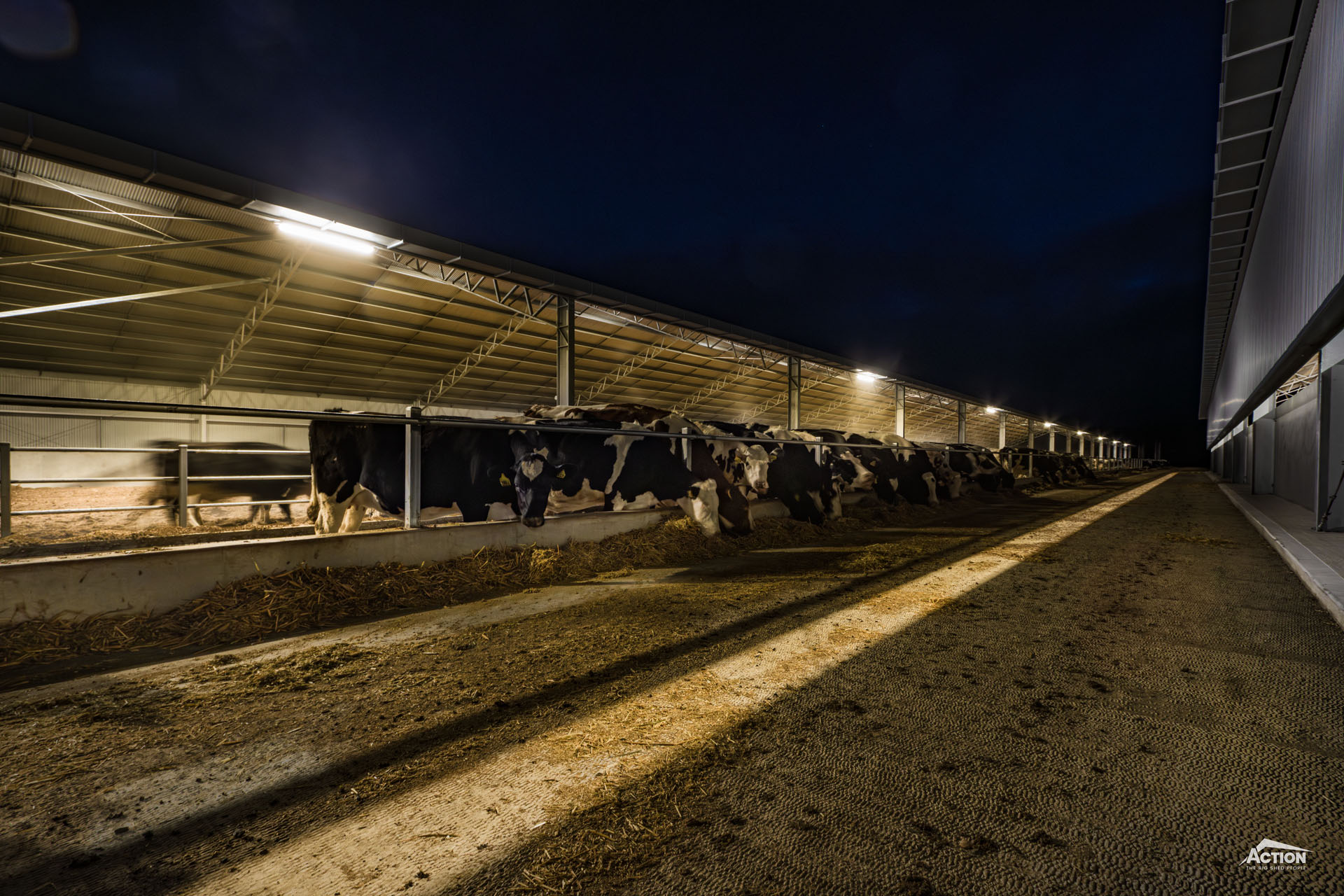
You aren’t alone. Loafing barns continue to be popular infrastructure projects for Australian dairy farmers who want to protect paddocks, lift labour efficiency, and reduce seasonal swings in milk production.
Like most things in life and on the farm, a loafing barn performs best when it’s well planned. Good planning helps you avoid operational bottlenecks, reduce compliance risk, and prevent unnecessary costs. Most importantly, it sets your barn up to deliver better cow comfort and performance, and simpler day-to-day management.
Use this A–Z planning checklist to set your Action loafing barn project up for long-term success.
A-Z Loafing Barn Project Checklist
First up, airflow!
A
- Airflow
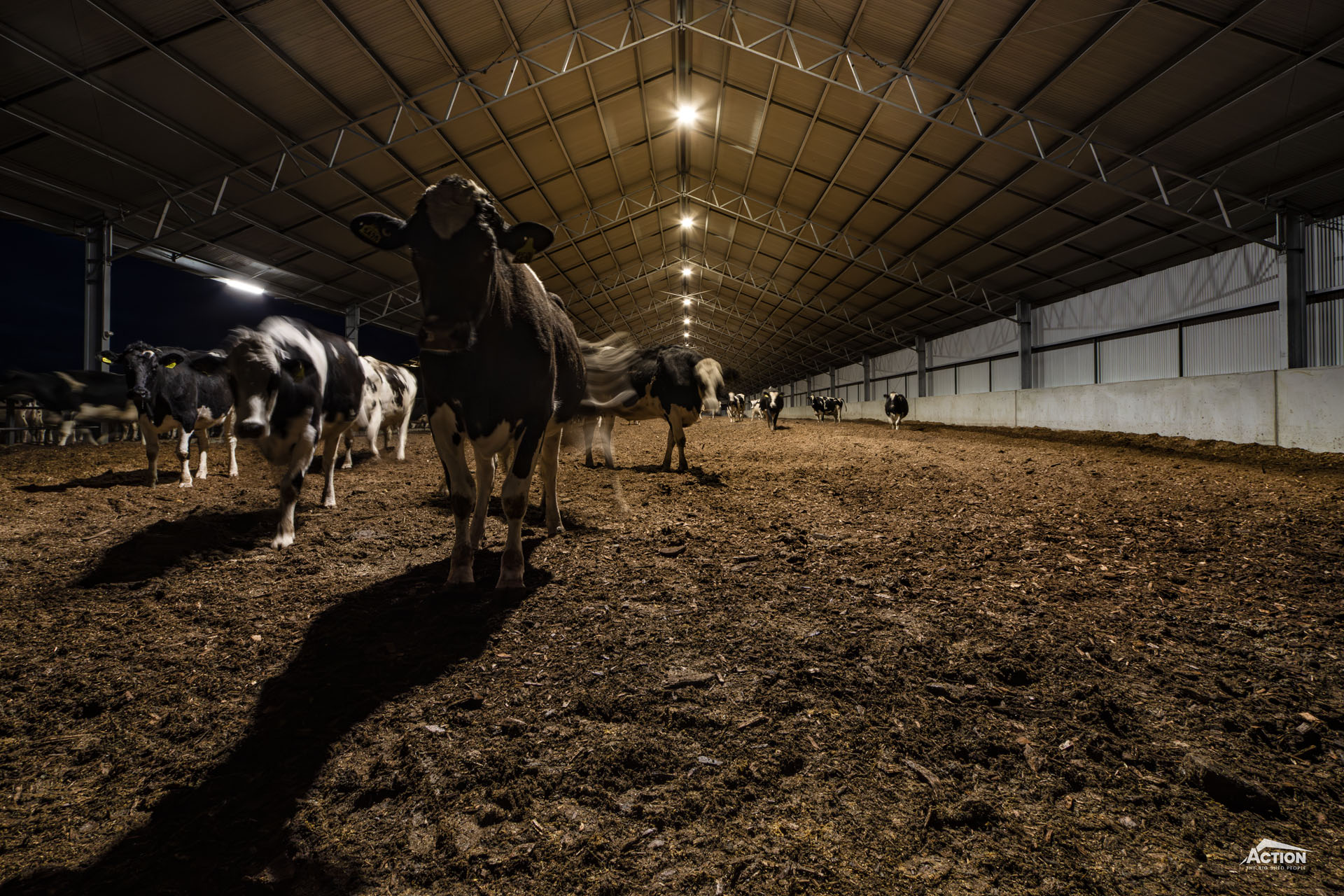
Effective airflow is essential for cow comfort and bedding management. It helps manage moisture, reduce ammonia build-up, and extend bedding life.
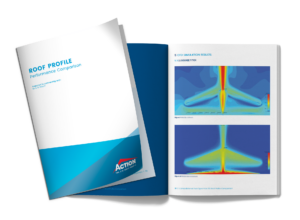
Action loafing barn designs draw on over 20 years of research, including our computational fluid dynamics (CFD) studies on optimal roof ventilation.
These designs typically use a combination of steep roof pitch and ridge ventilation to manipulate airflow, and take into account:
- Height
- Orientation
- Local climate
- Features such as gable infills
B
- Bedding Management
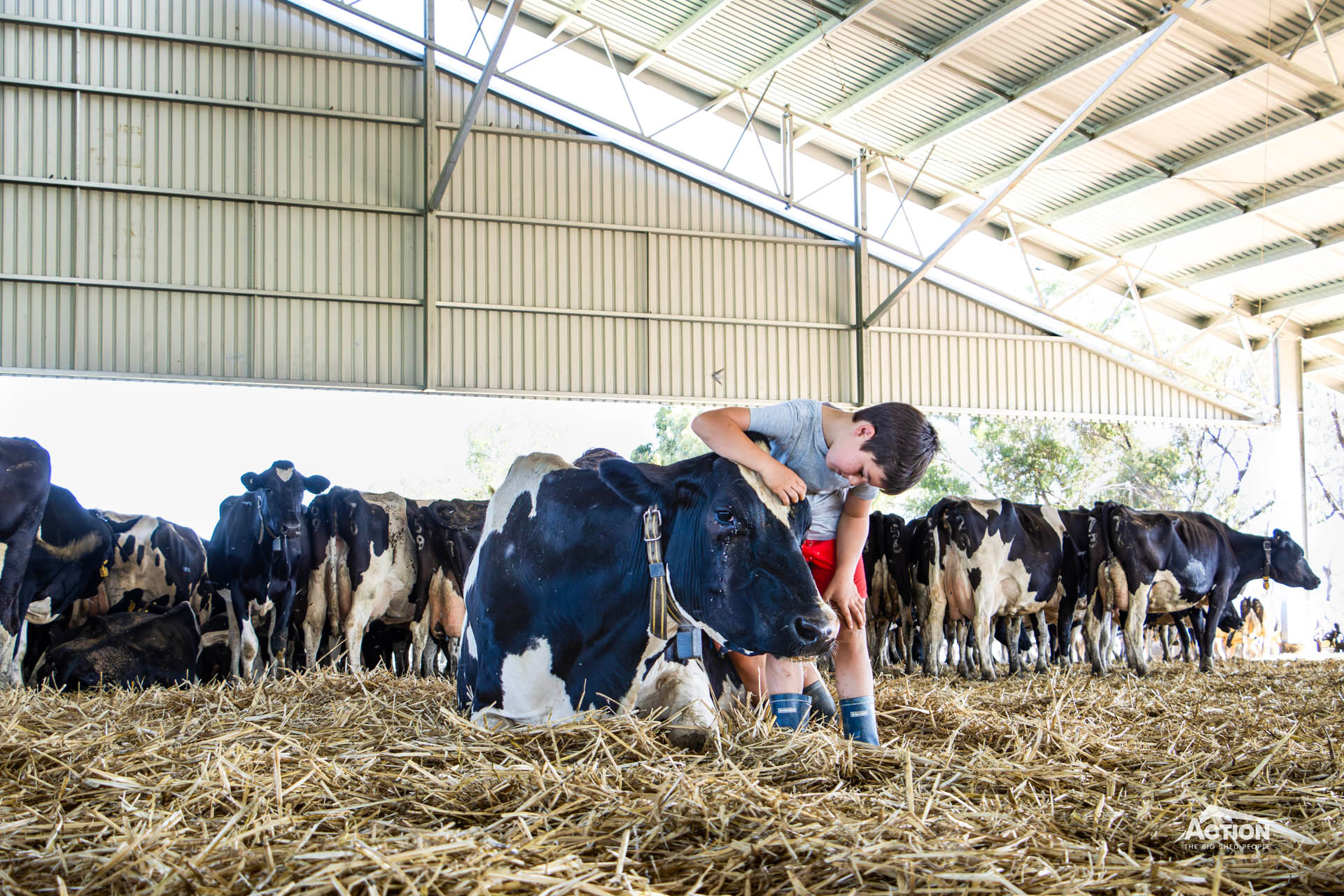
Plan your bedding management early, from material choice to storage and reuse.
Key considerations include:
- What bedding material is best practice, and what is the upkeep?
- Is supply available locally, and how much does it cost?
- Do you have adequate on-farm storage?
- Does the barn height provide adequate clearance for machinery?
- How will you repurpose or dispose of the bedding?
- Will the barn provide adequate airflow to keep bedding dry?
- Are you following best-practice stocking density?
Well-managed bedding supports cow comfort, reduces waste, and helps maintain barn hygiene.
B
- Budget
B is for … budget! And you can’t effectively plan a loafing barn project without one.
How much does a loafing barn cost?
The cost of a loafing barn can range from around $250,000 to more than $750,000, depending on the size, design and location.
As a general rule, a longer and narrower barn is usually the most cost-effective per square metre.
However, design decisions should be driven first by functionality and your operating requirements, not cost savings alone.
Other project costs to factor into your budget include:
- Site preparation
- Permits
- Supporting infrastructure such as tanks, effluent ponds or fodder storage
C
- Converting To A Freestall Barn
Many dairy farmers are using a loafing barn as a stepping stone to a freestall setup. This gives you immediate benefits while keeping your options open for the future.
If you are considering this approach, early planning is essential for a smooth transition.
Action Steel has developed a four-step process to set your project up for success:
- Engage Consultants Early
- Smart Site Selection & Planning
- Anticipate Permit Requirements
- Use Best Practice Span & Spacings
We take a deep dive into the topic here – Designing Your Loafing Barn To Convert To A Freestall Barn
C
- Corrosion Protection
A dairy farm is a highly corrosive environment, so a loafing barn needs protection from the ground up.
Action loafing barns include a fully hot-dip galvanized frame (columns and trusses) and footing cages.
Corrosion protection options and upgrades include:
- Formed-up footings to keep the columns away from the bedding and minimise risk of injury at cow level
- Concrete panels to increase the longevity of the cladding and make cleaning the barn easier
- COLORBOND® cladding to add another layer of protection and a smart finishing touch
These design details extend the life of your barn and reduce long-term maintenance.
E
- Effluent Management & Compliance
Well-managed effluent is a compliance requirement, and it can also deliver cost savings and operational benefits.
A 2% site slope is considered best practice for effective floodwashing. Using a site with natural fall (where practical) can help reduce earthwork costs.
Consider whether you need to allow for new tanks and catchment ponds, or if you can use existing infrastructure.
Our building consultants will work with you and your dairy consultant to ensure the barn design integrates with your effluent management plan.
F
- Future Planning
Consider how your loafing barn fits into your long-term business plans.
This could include:
- Allowing for increased cow numbers
- Factoring in future projects within the site layout
- Repurposing the barn for calving or storage
- Designing the barn to be converted to a freestall setup
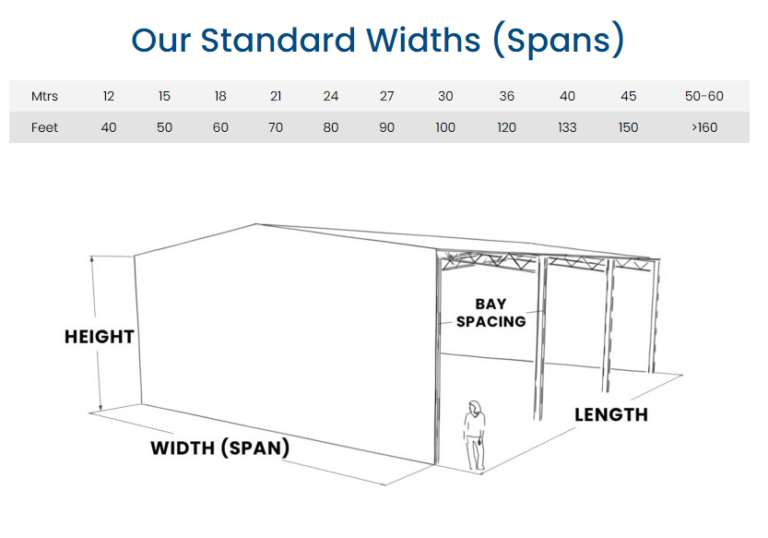
For example, a 40-metre span with 10-metre bays works well for a future freestall fit-out.
I
- Industry Recommendations
Follow industry recommendations for cow comfort and welfare, including:
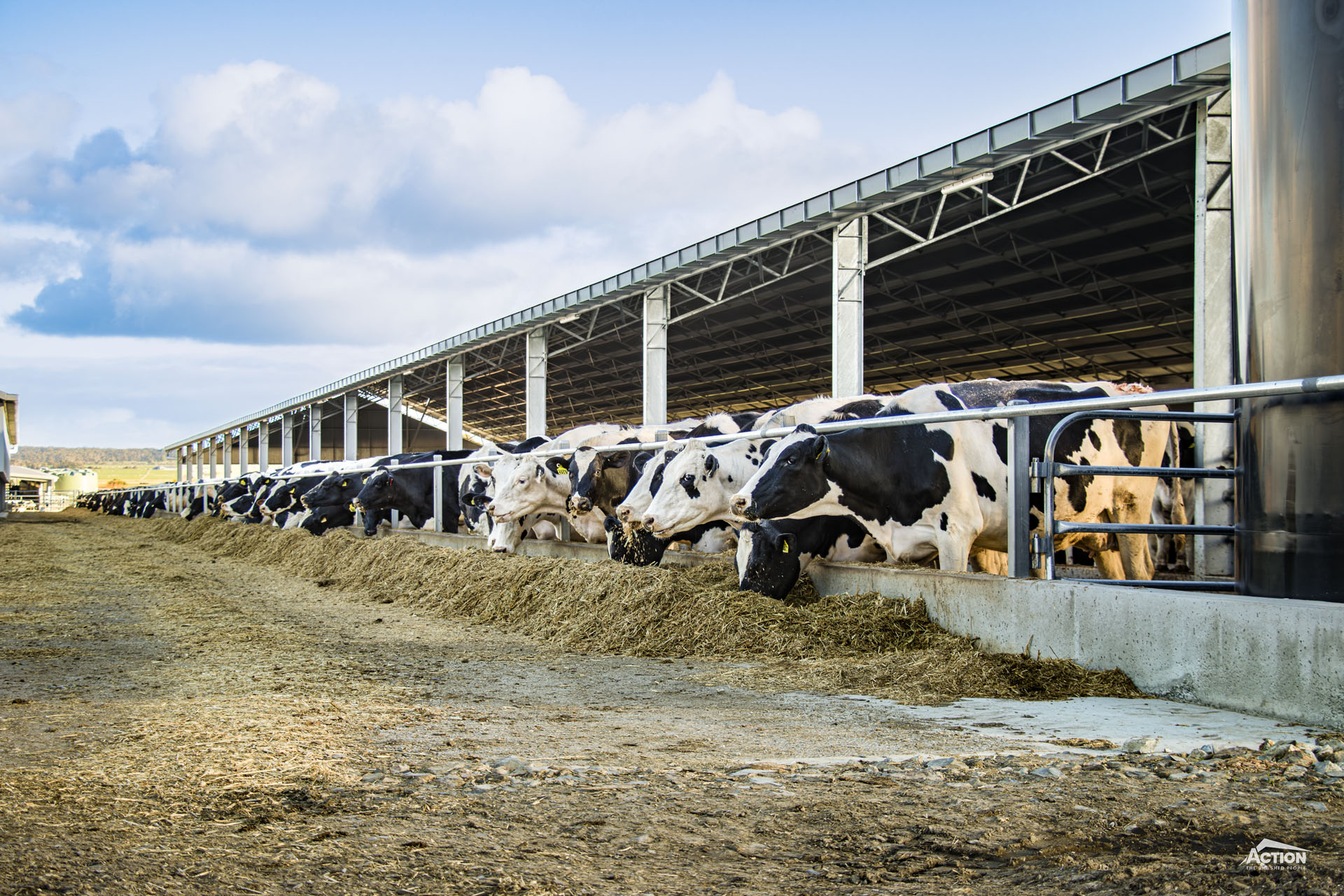
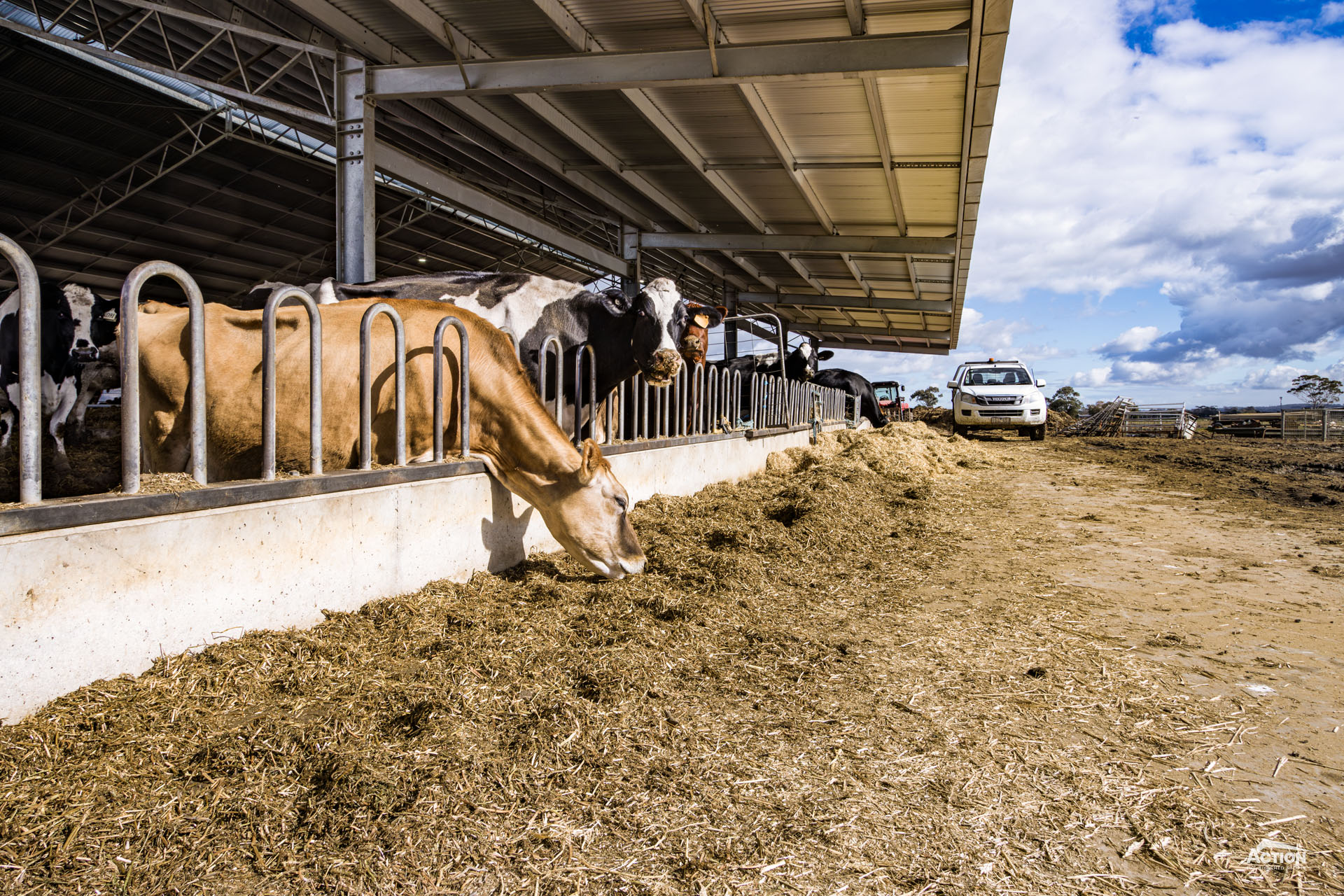
- ~ 300 mm of bunk space per cow
- A stocking density of 10 m² per cow (for short-term housing)
The Action building consultants can provide advice on span sizes, bay spacings, and configurations that work with these recommendations – and remain cost-effective and functional.
O
- Orientation
Barn orientation is just as important as the design itself.
East-west is considered best practice as it provides effective cross-ventilation to keep cows cool, bedding dry, and reduce ammonia build-up.
In summer, the afternoon sun doesn’t shine directly into the barn, helping to prevent heat stress and bunching.
You could consider a north-south orientation for an exposed site in a cool, wet climate.
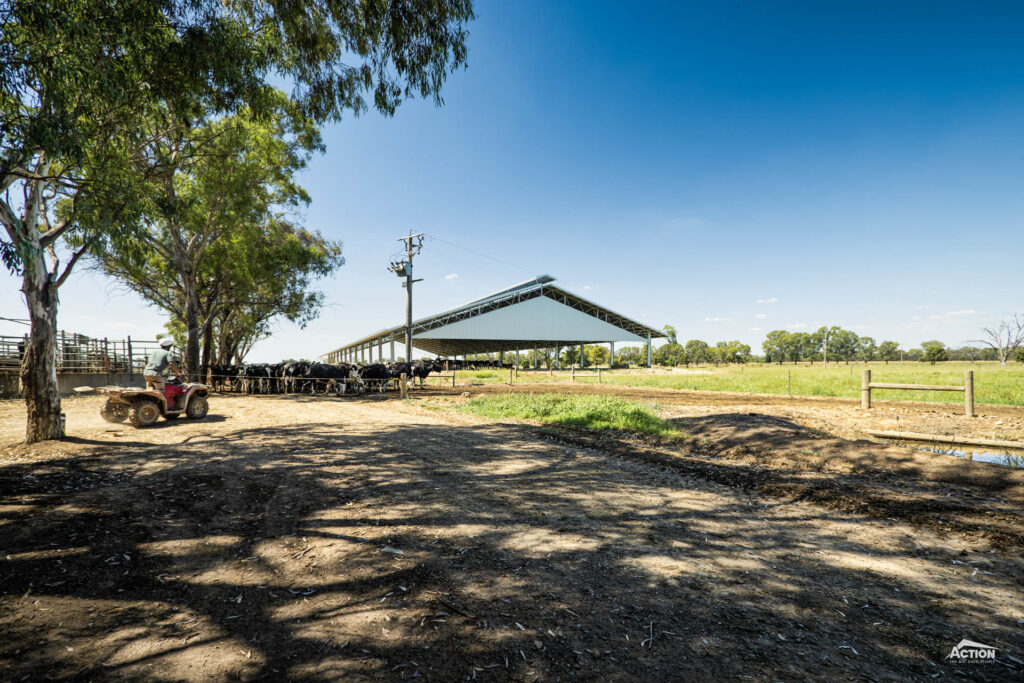
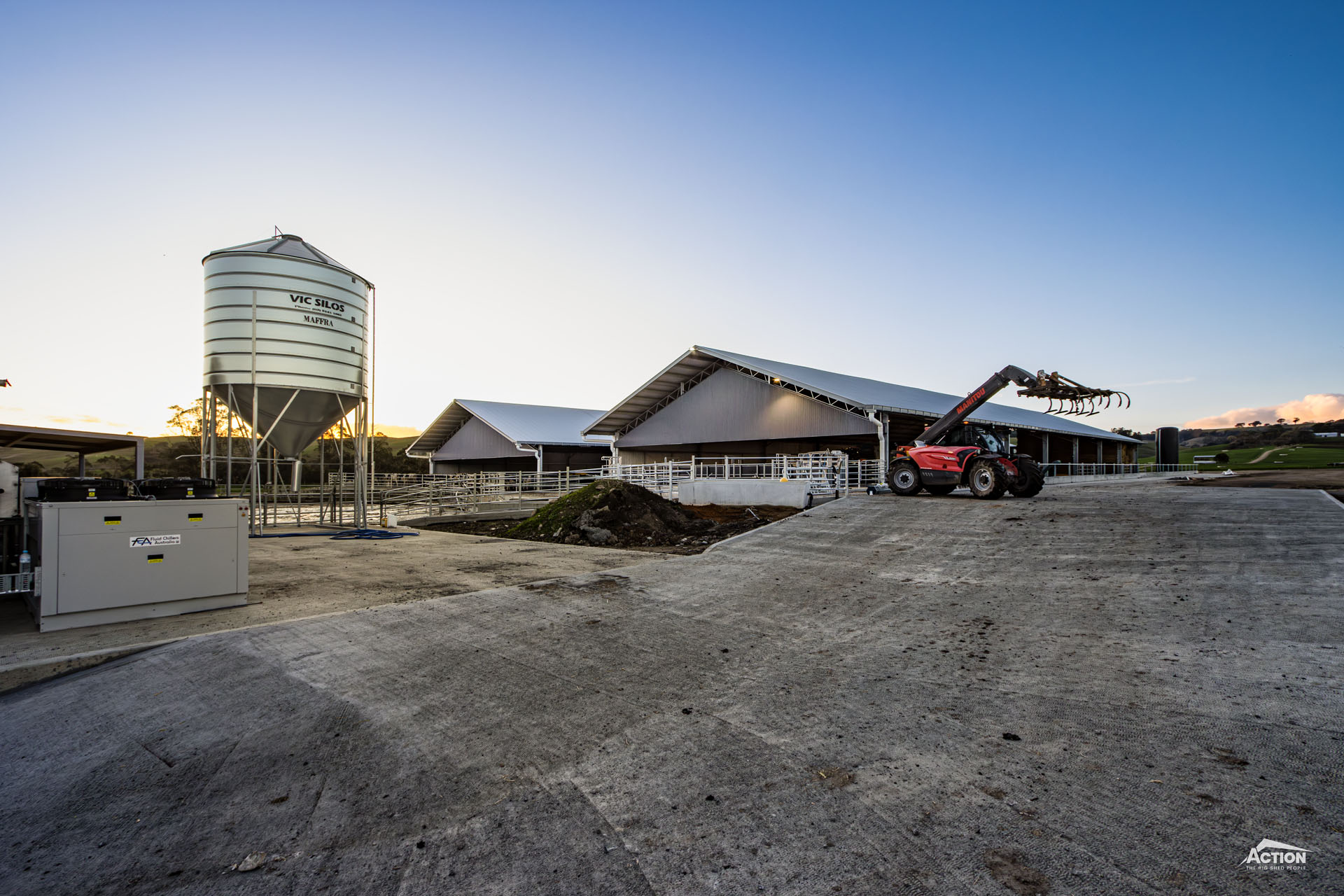
For example, Michael Armstrong chose a north-south orientation.
Being in South Gippsland, the advantages of an east-west roofline to reduce heat stress are less important. Instead, the barn includes a western wall to protect from the prevailing weather.
O
- Other Infrastructure
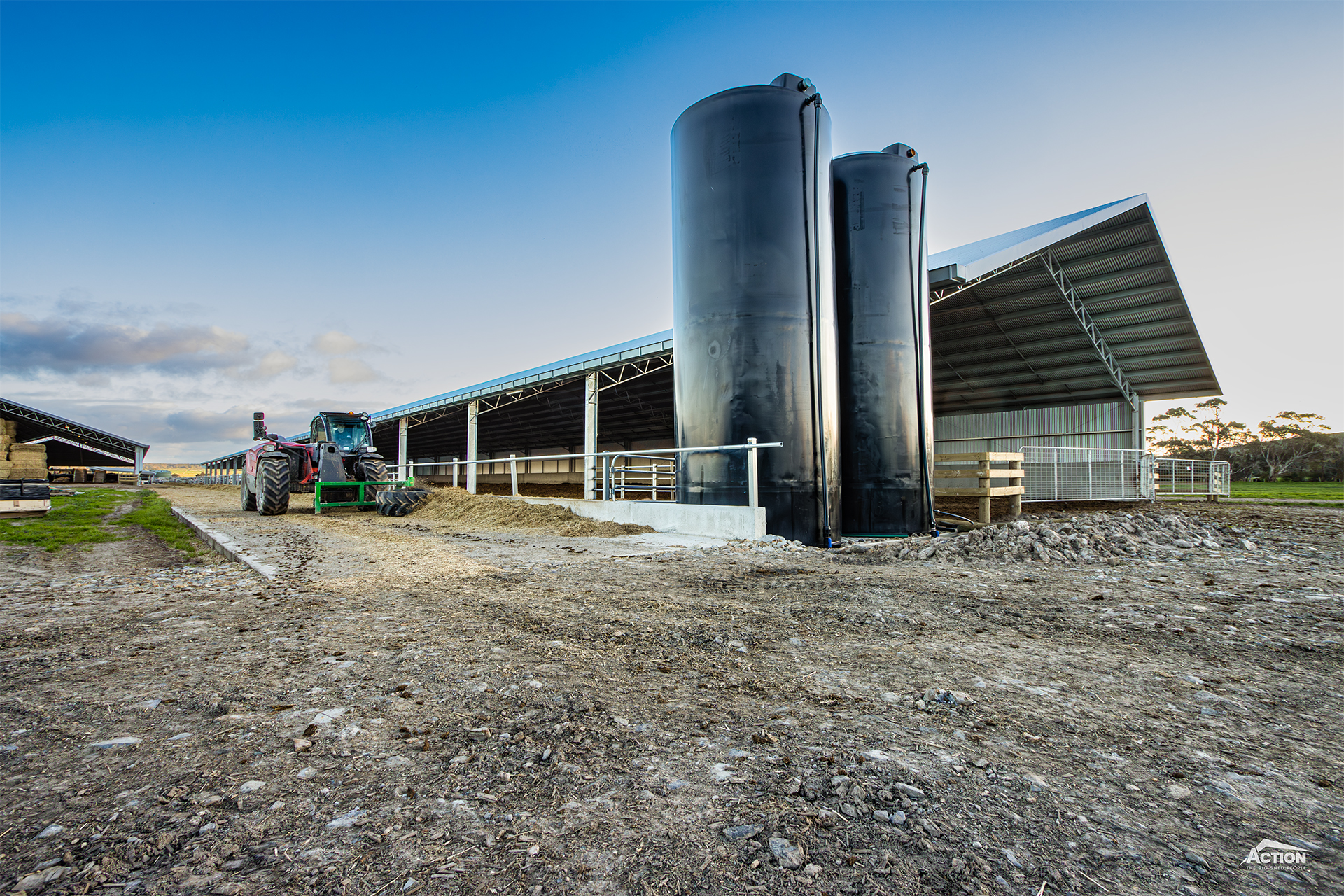
Consider what additional infrastructure you need to support your loafing barn – such as feed storage, bedding storage, and water tanks – and allow space for these in your budget and site planning.
Where possible, look for opportunities to use or repurpose existing infrastructure, including effluent ponds.
P
- Permits
It’s a good idea to start the permit process early, as setbacks, overlays, fire design requirements, or neighbouring properties may impact your site location and layout.
As Registered Builders, Action can manage the building and planning permits for your loafing barn on your behalf, helping to streamline the process.
R
- Roof Design
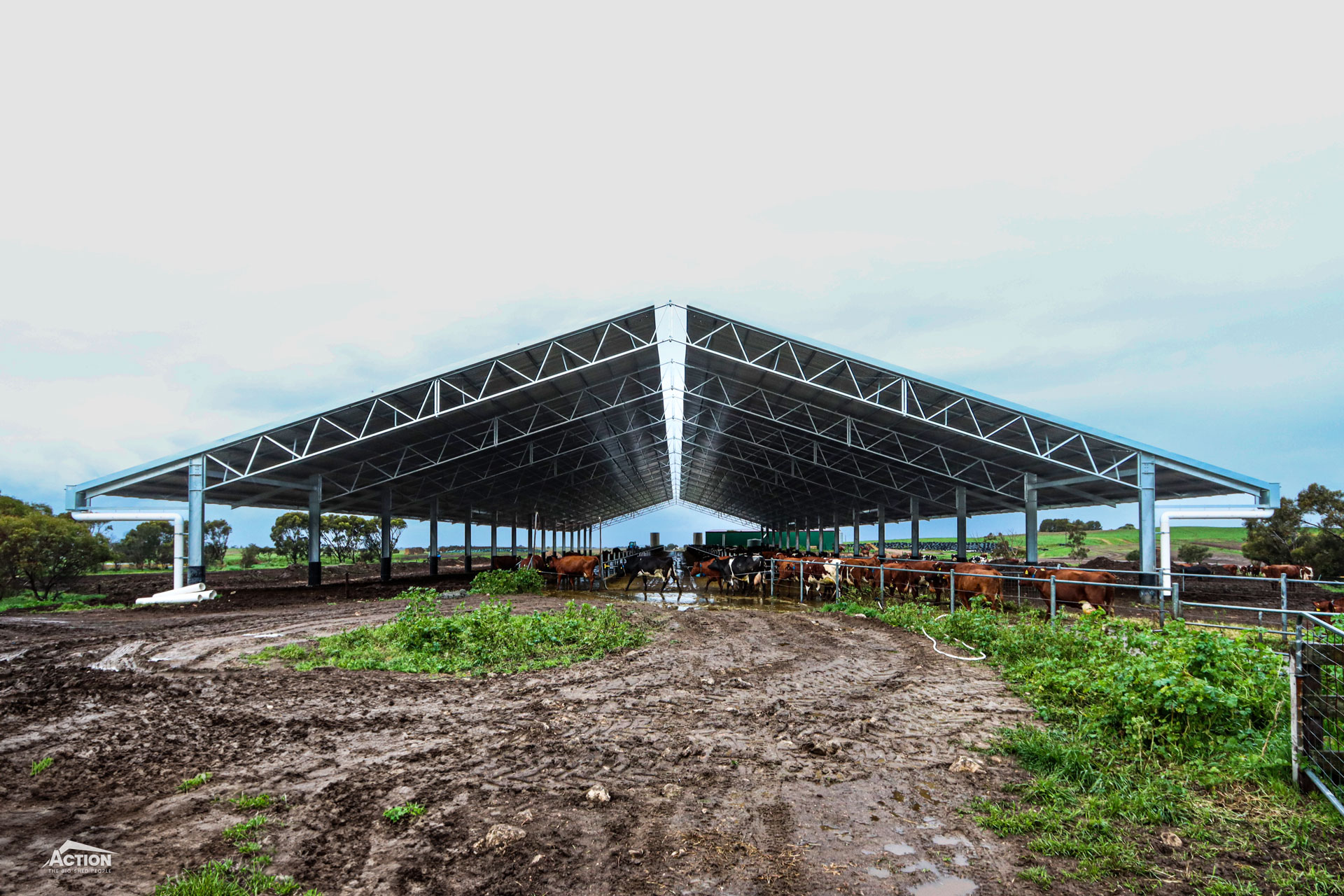
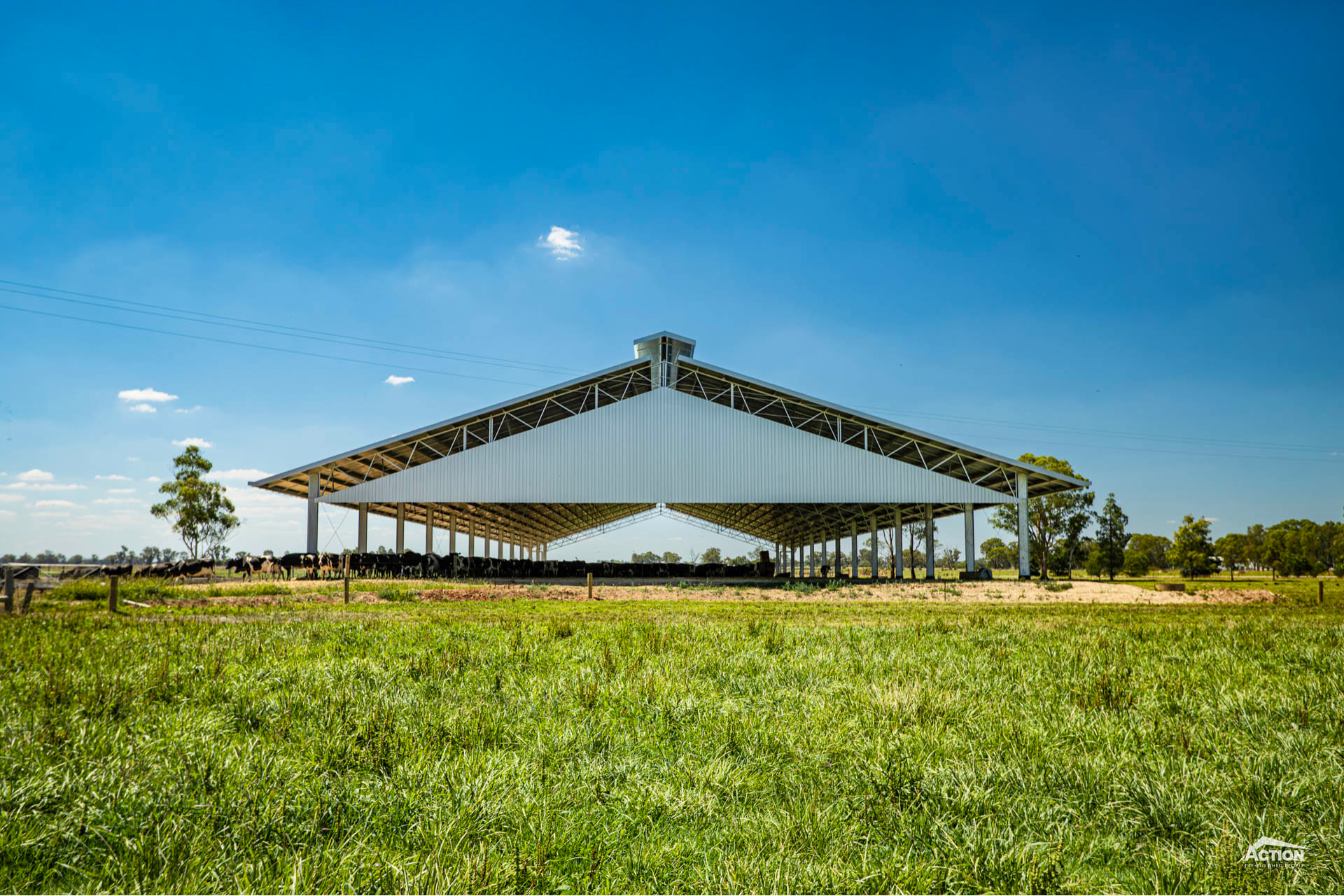
The best loafing barn roof design is a straight gable design with a steep roof pitch and an open ridge vent.
Our CFD studies show there is negligible difference in airflow at cow level between curved and straight gable roofs. Curved roofs add cost and reduce flexibility for future upgrades, such as solar panels.
S
- Site Location & Preparation
Evaluate your site options and consider:
- Positioning close to the dairy to reduce production loss from walking
- Taking advantage of natural fall to reduce earthwork costs
- Allowing room for access roads, catchment ponds, fodder and bedding storage, and future expansion
And don’t overlook site preparation – it’s key to ensuring year-round access and a smooth installation process.
S
- Size
The best size for your loafing barn project will depend on:
- Cow numbers
- Access requirements
- Industry recommendations
- Whether it is long-term or short-term housing
- Plans for future growth
- How you use design features, such as canopies (canopies can be a cost-effective way to increase width)
Best-practice size recommendations include:
- Standard spans such as 24 metres (most popular) or 40 metres (works well for freestall barns)
- Standard bay spacings such as 8.5 metres (small to medium barns) and 10 metres (for larger barns)
- Common heights range from 4.5 metres to 6 metres.
Action’s building consultants can help you find the ideal ratio of length to width to suit your chosen stocking density and avoid underutilised capacity/wasted space.
S
- Stormwater Management
A loafing barn roof provides an excellent opportunity to capture, store, and reuse stormwater run-off – improving water efficiency on-farm.
The heavy-duty Action custom gutter system can be plumbed to one end, eliminating the need for downpipes on the columns.
Try the stormwater calculator below to find out how much you could capture from your barn roof.
Rainwater Harvest Calculator
If you are wondering about the volume of rainwater you could potentially collect from a shed roof, use the stormwater calculator.
W
- Weather Protection
Weather protection, along with airflow, is one of the most important considerations for an effective loafing barn setup.
You can achieve effective weather protection with:
- Full or partial walls
- Full or partial gable infills
- Eave overhangs
- Orientation to local climate
- Action pop-top covers over the ridge opening
- Height that balances access and airflow
- Cantilevered canopies over feed bunks
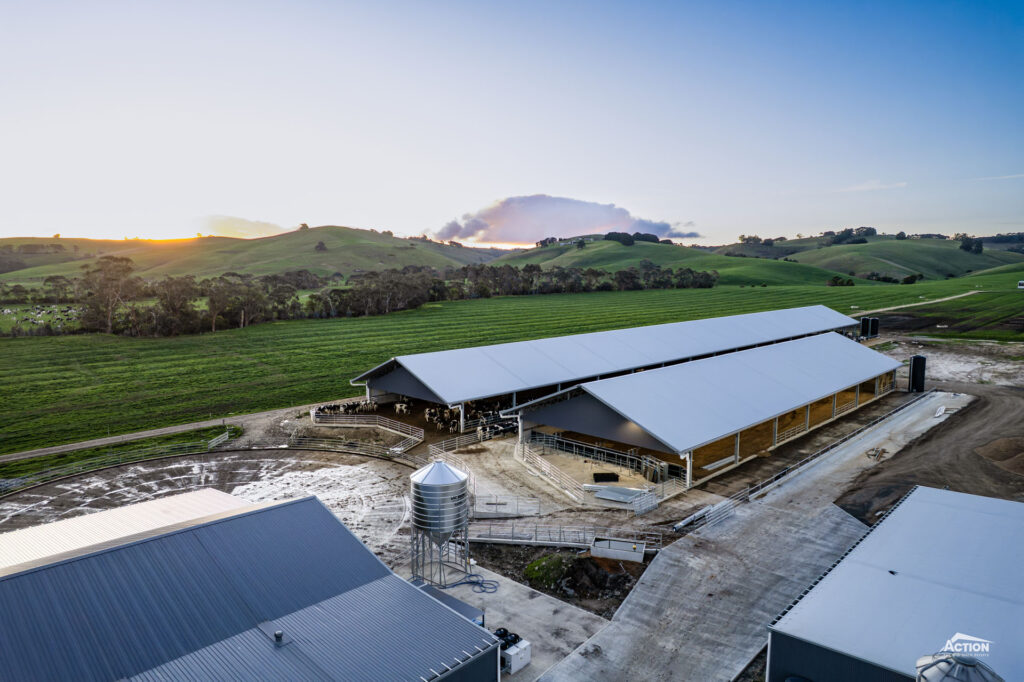
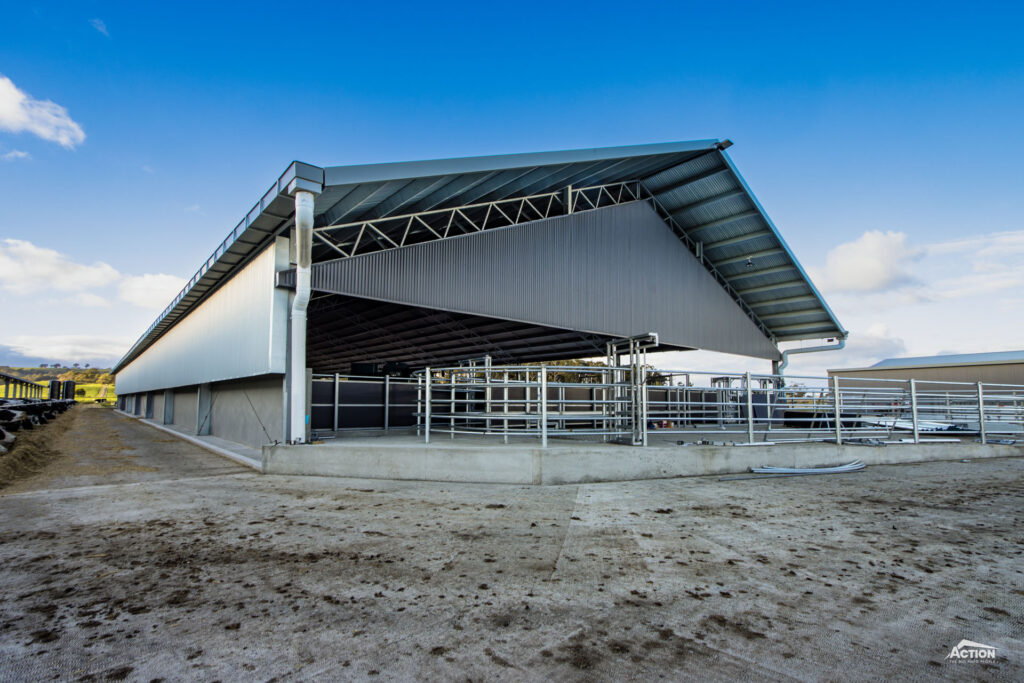
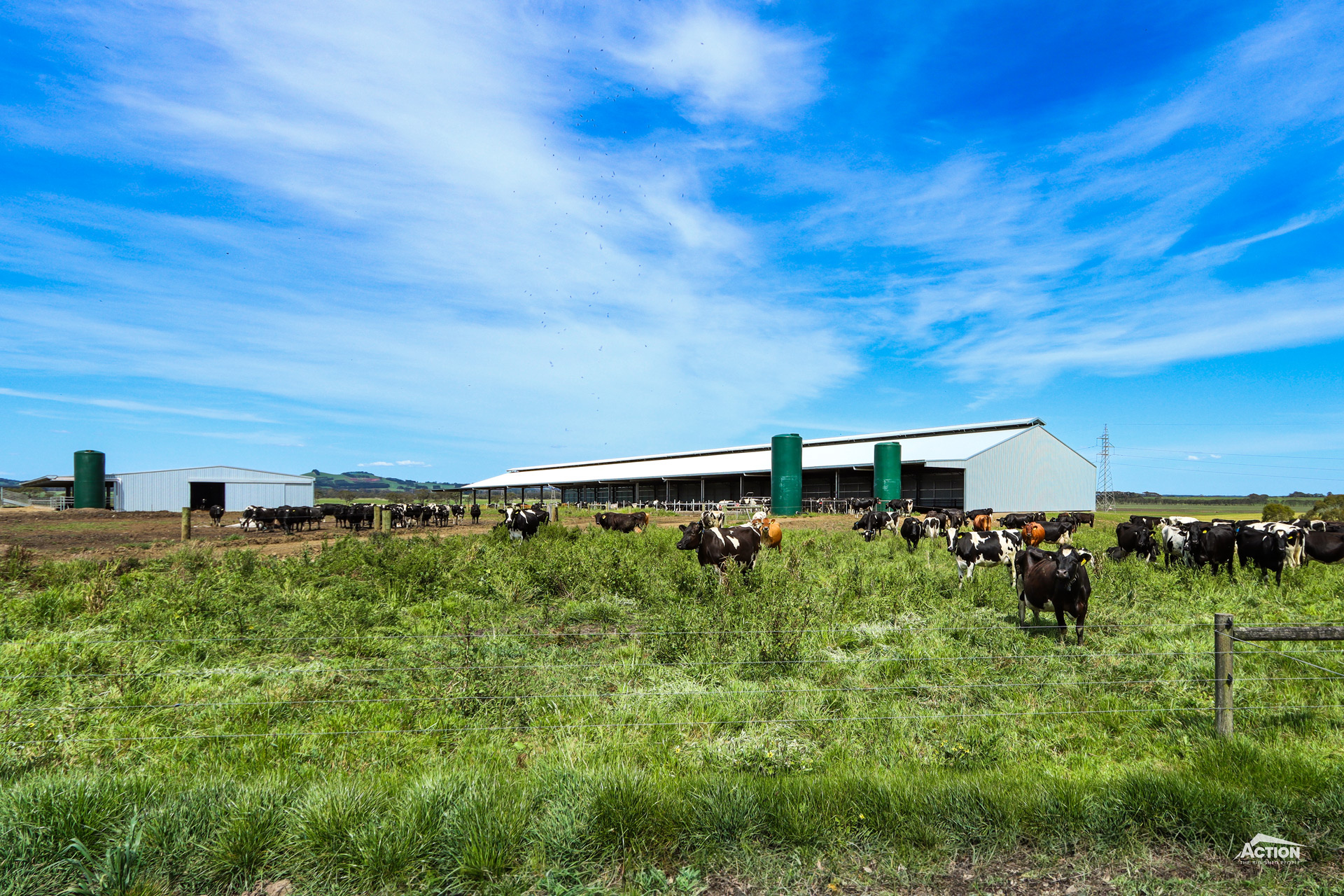
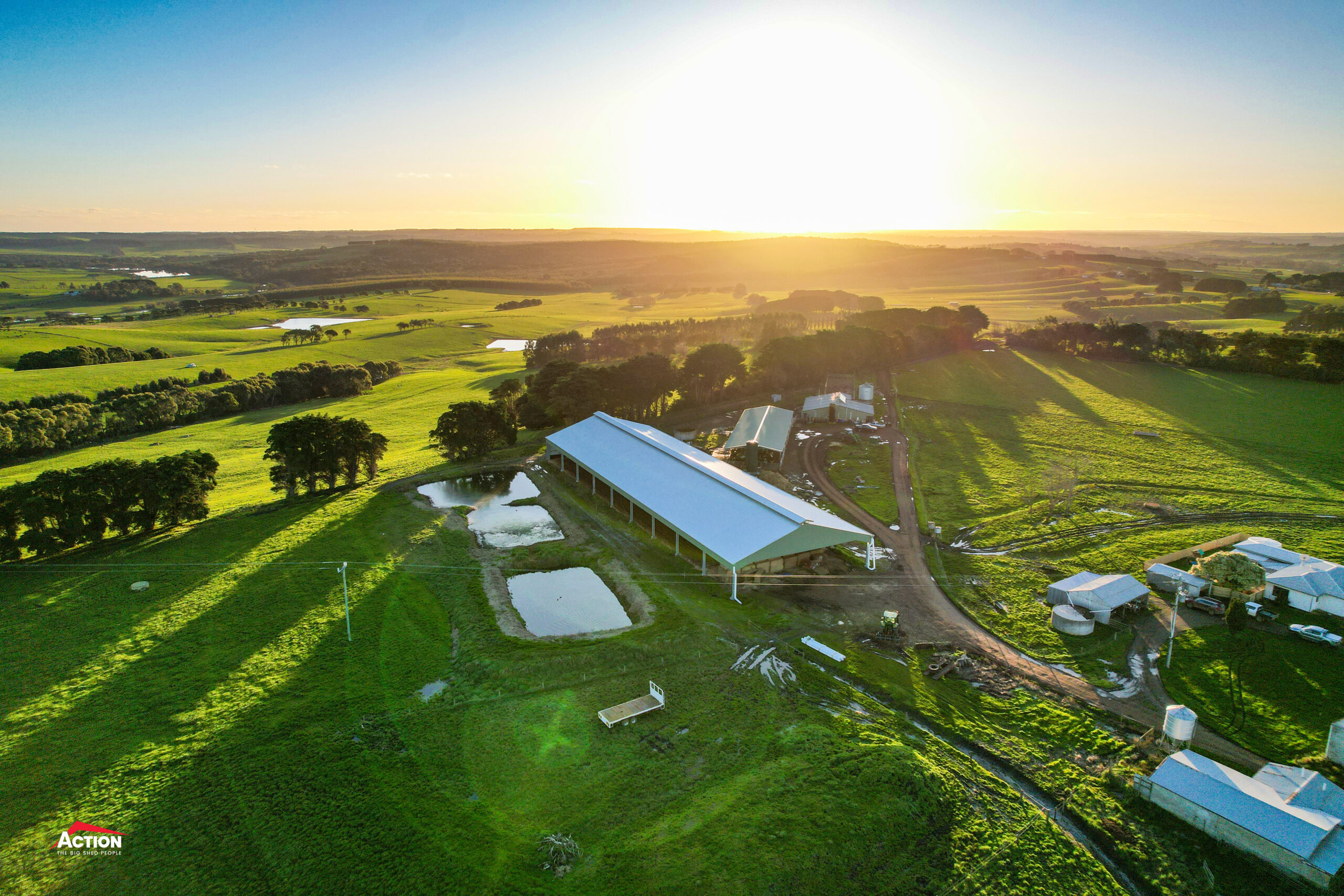
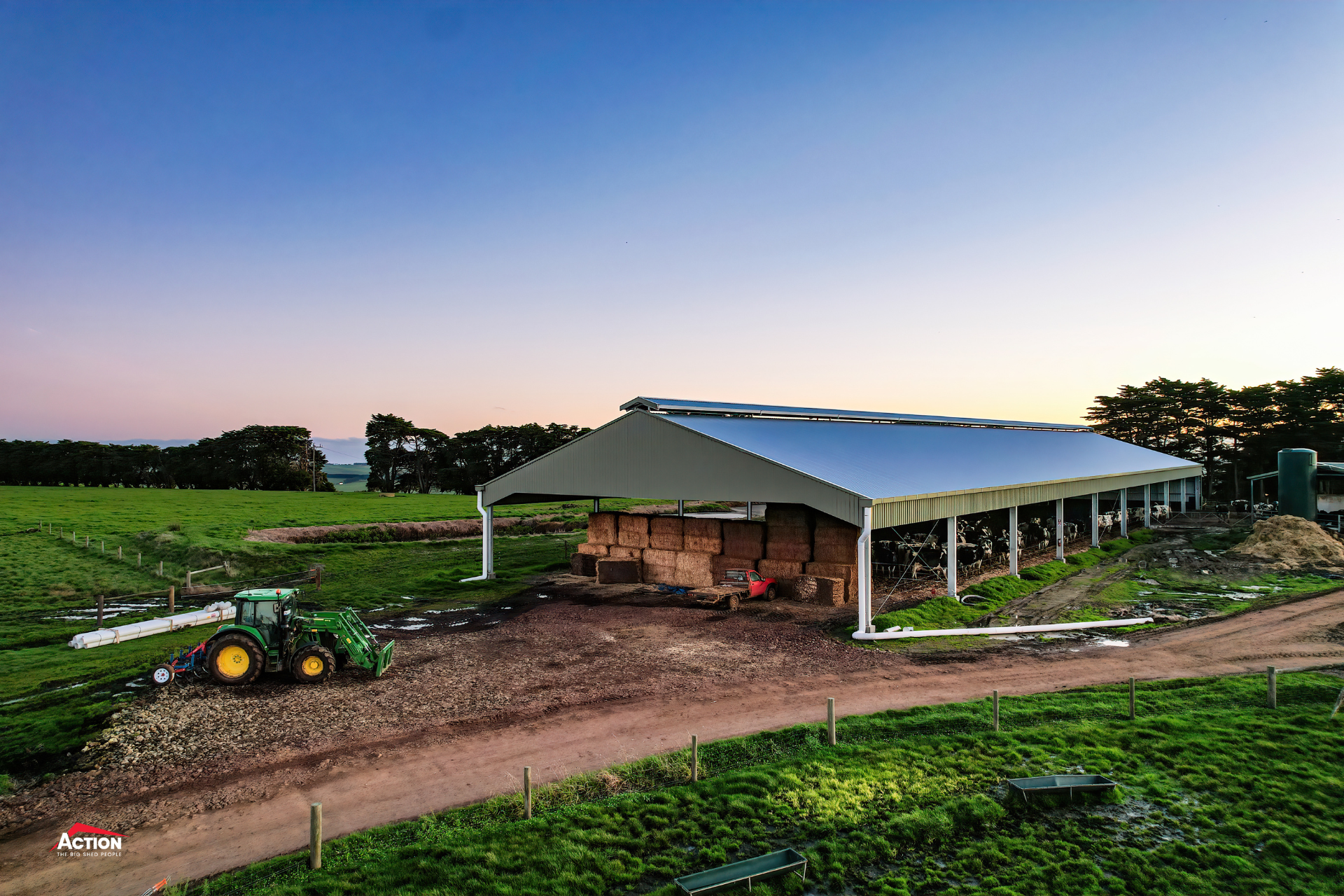
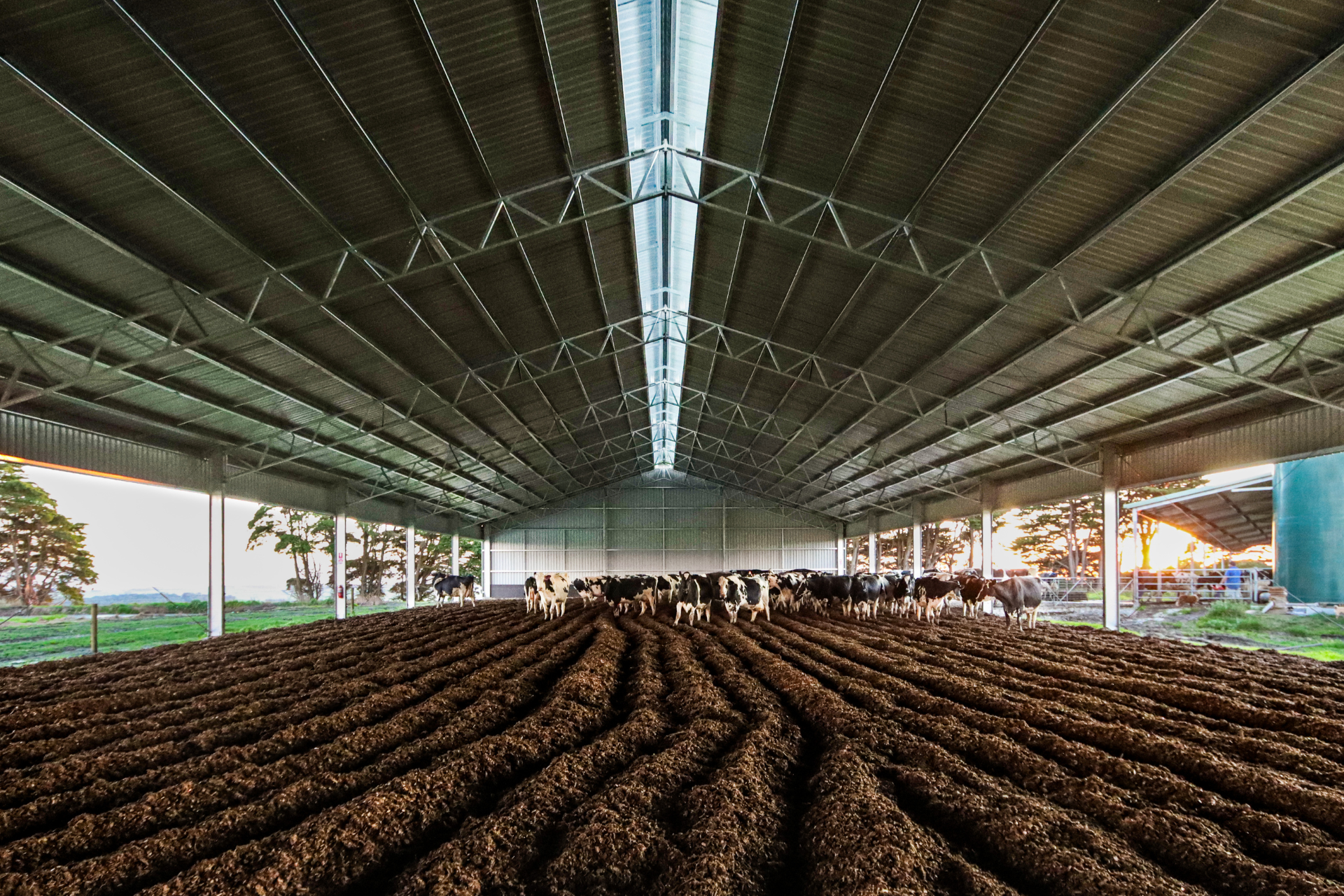
Check out the gallery below to see examples of how these features can be used.
We hope you have found this checklist helpful!
All these considerations will shape the final size and design of your barn – work through them early to set your loafing barn project up for success.
Find more information in the fresh-off-the-press 2026 Loafing Barn Guide (flipbook and PDF download). Check it out here!
Ready to get your loafing barn project underway? Book a project consultation on 1800 687 888.