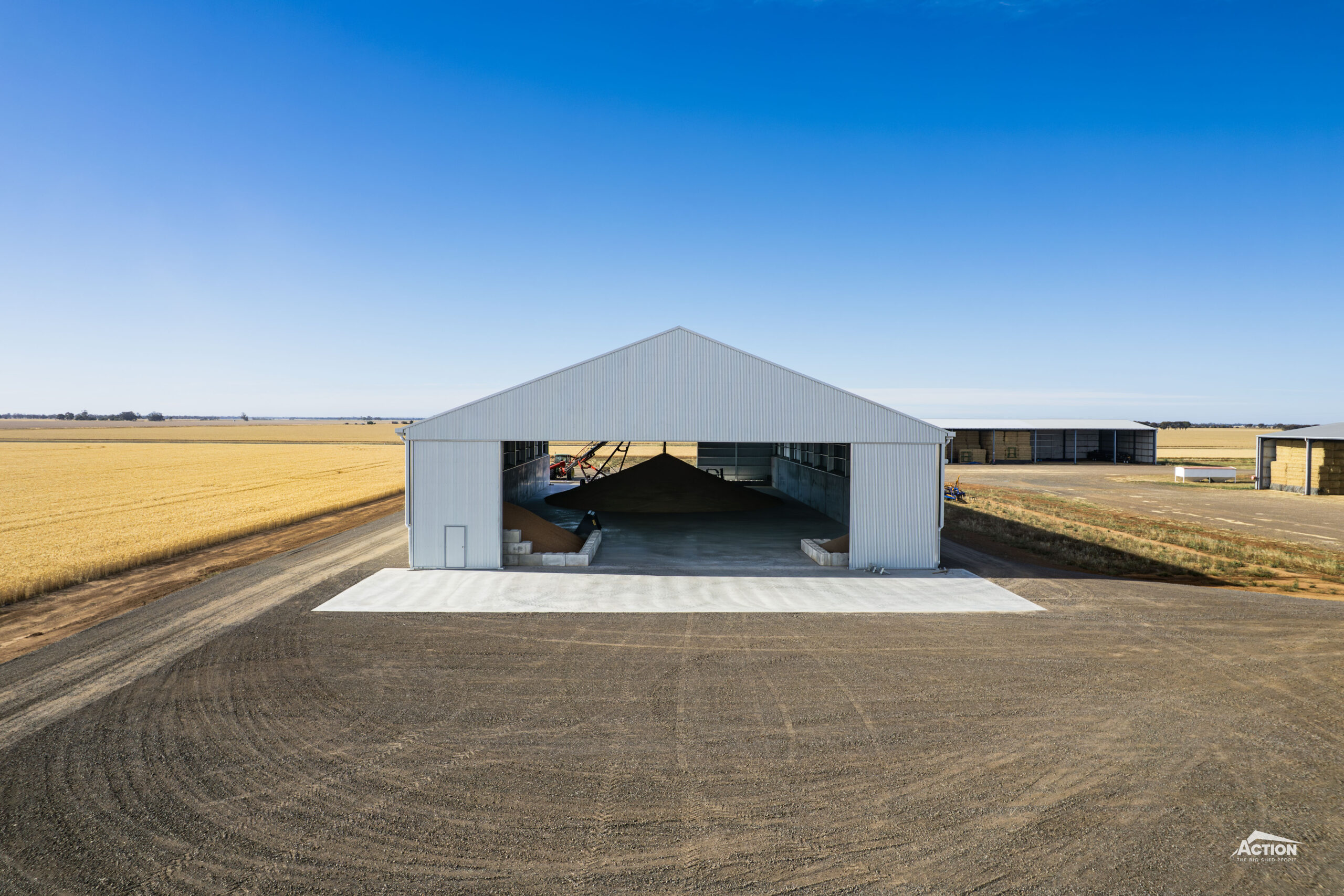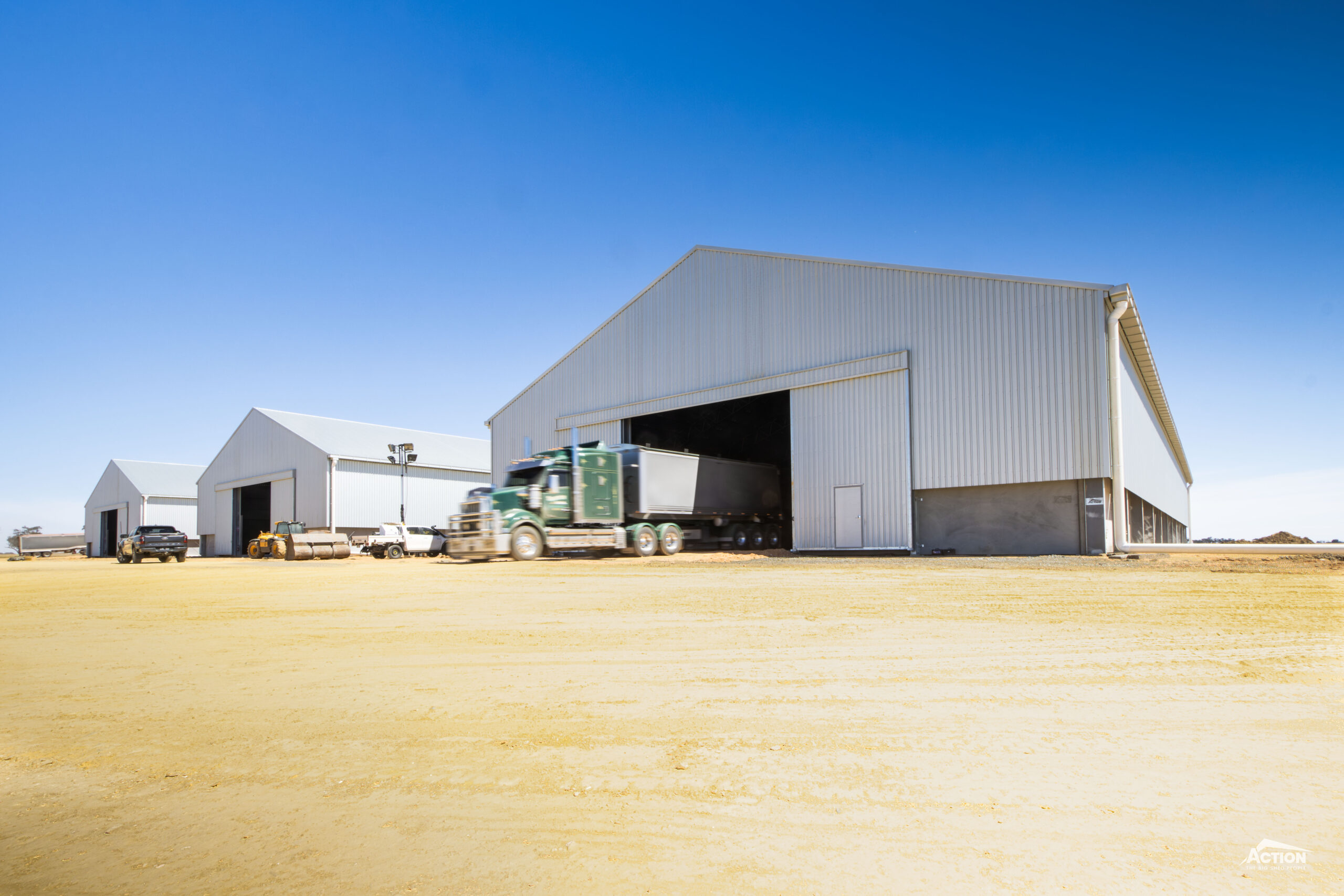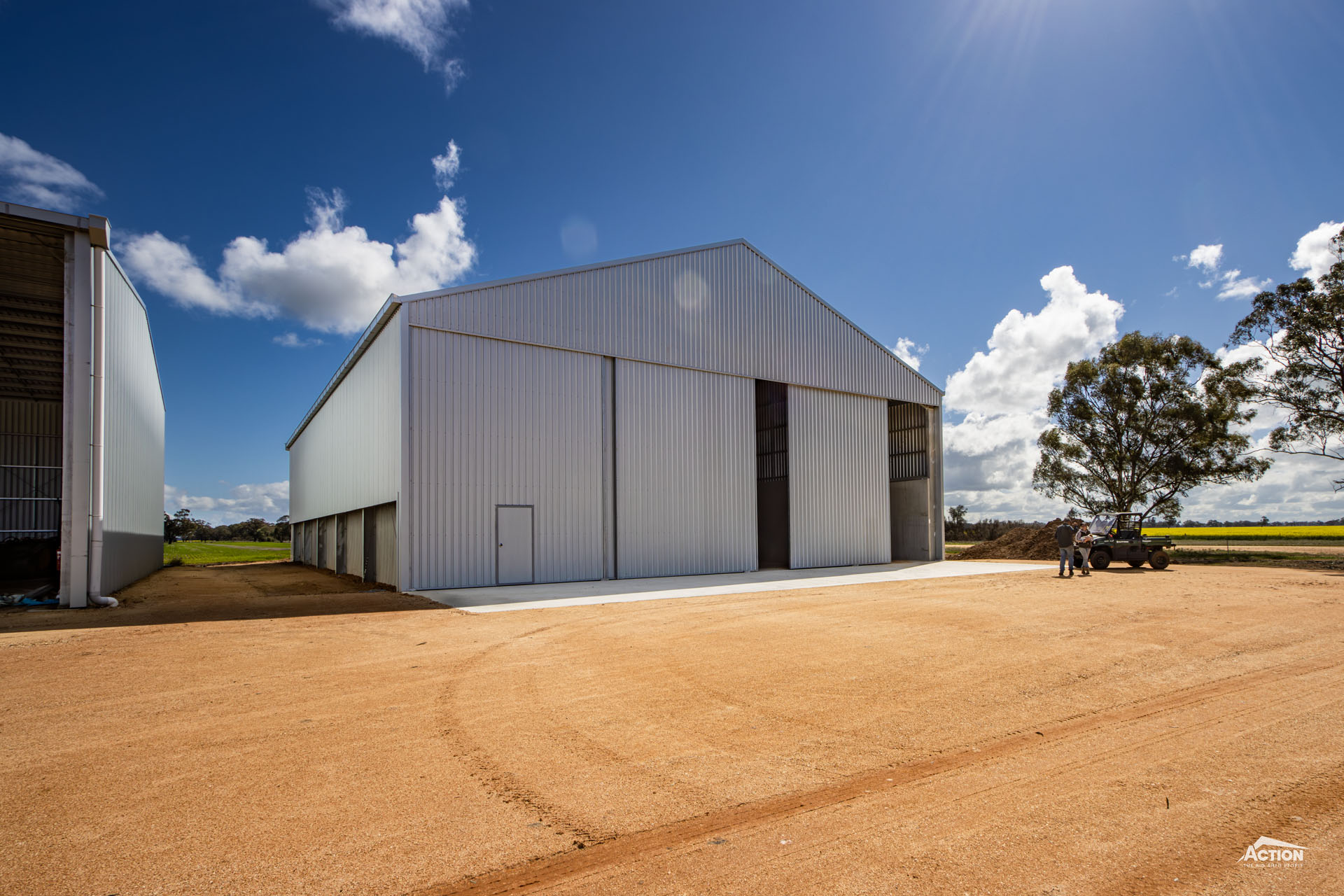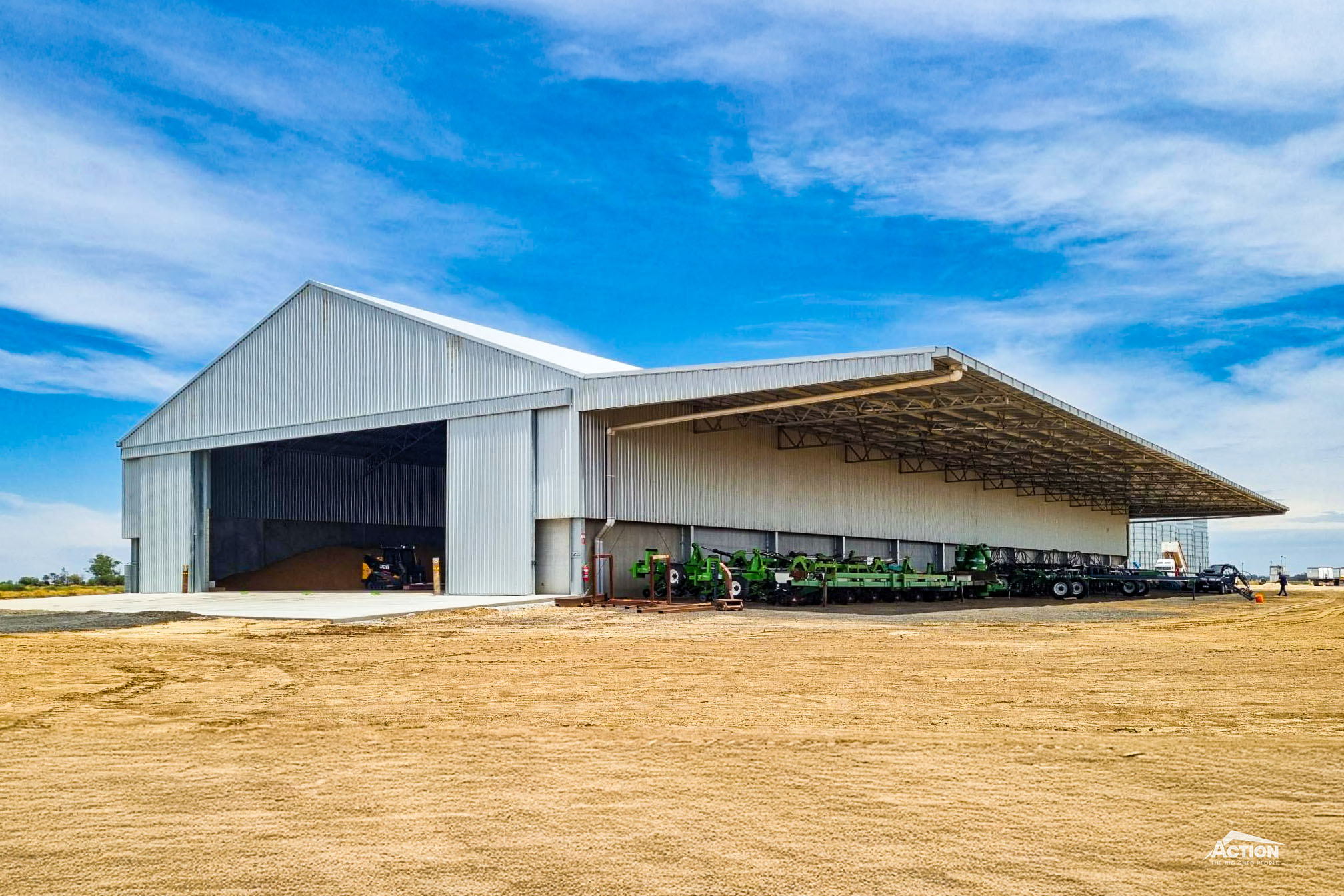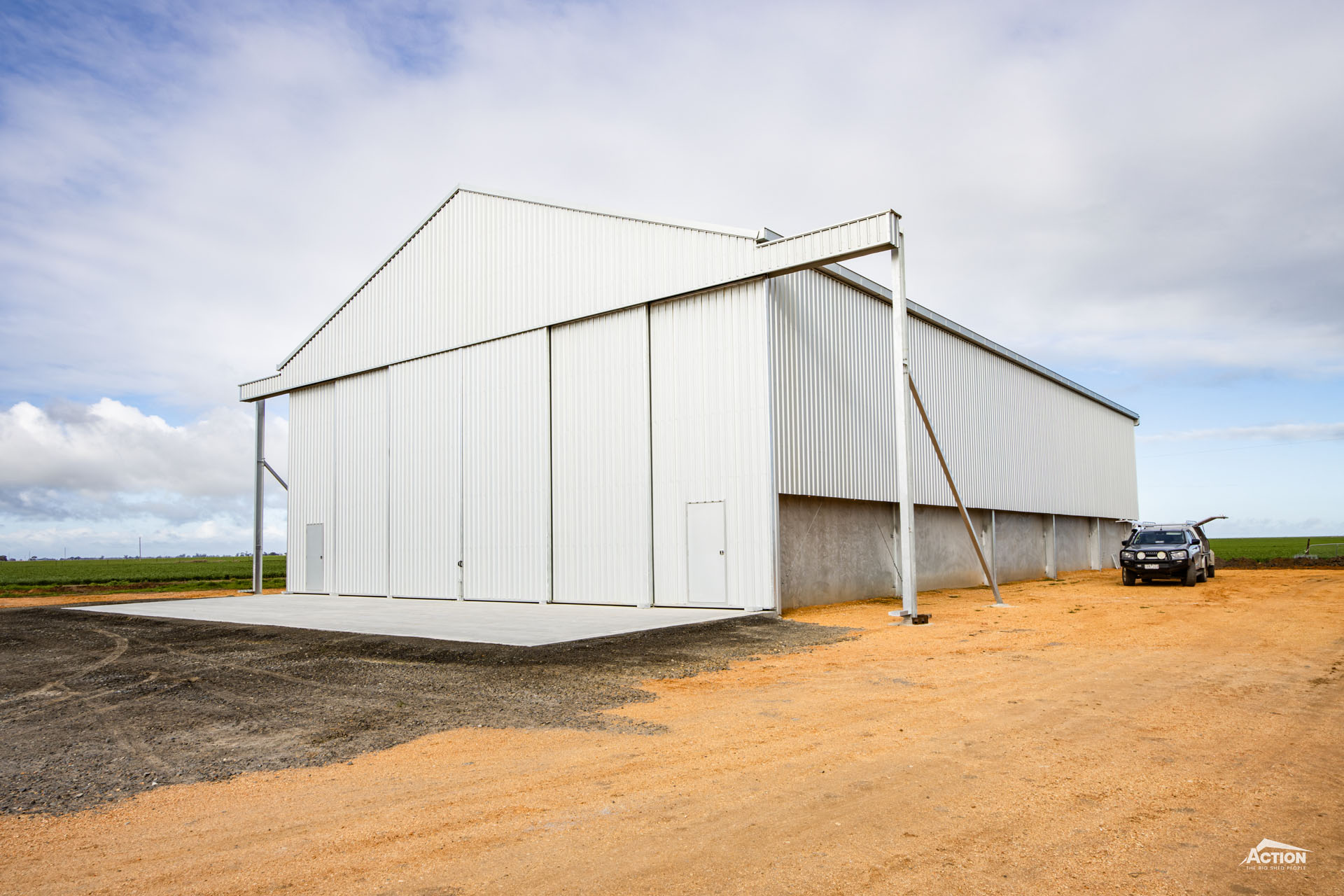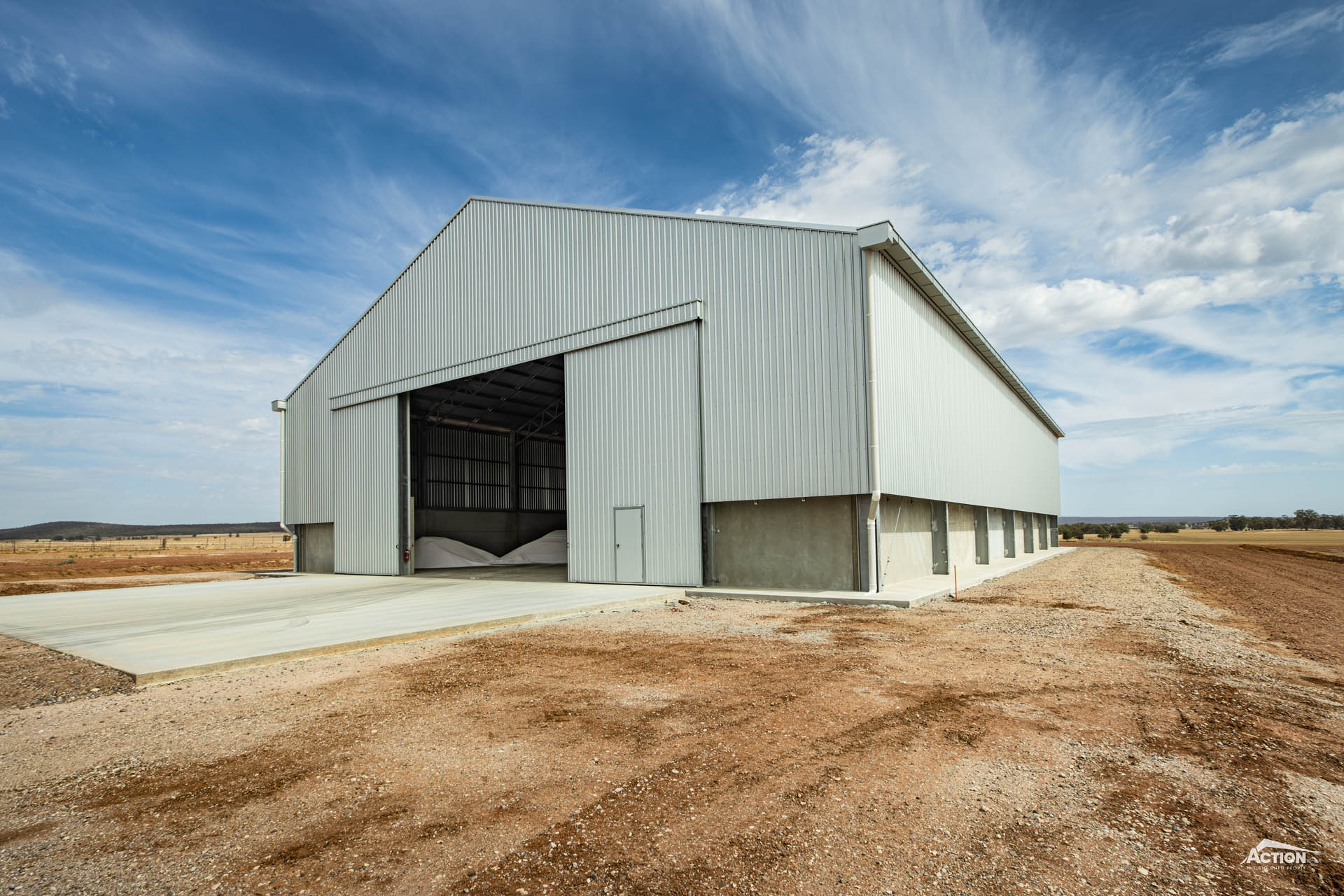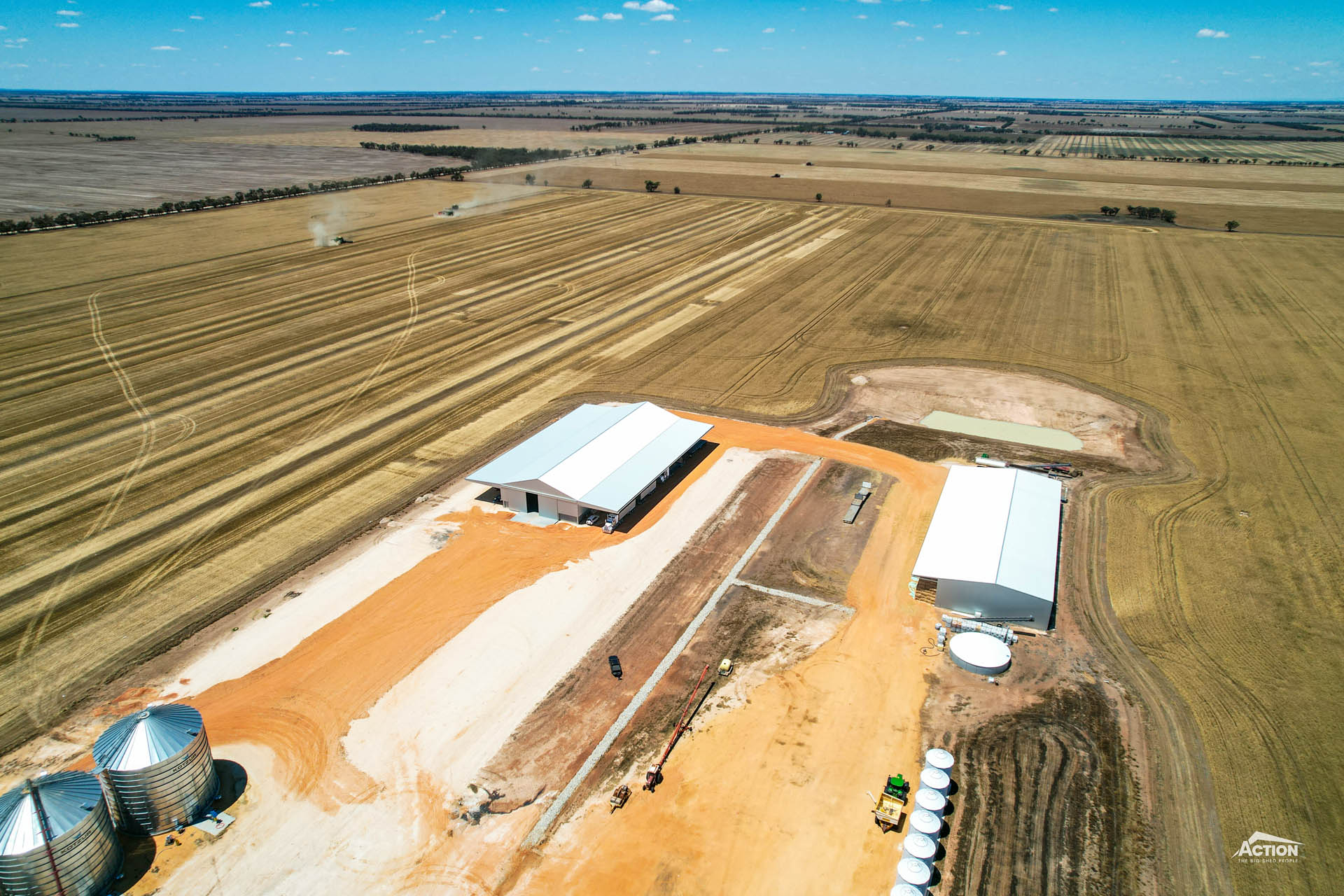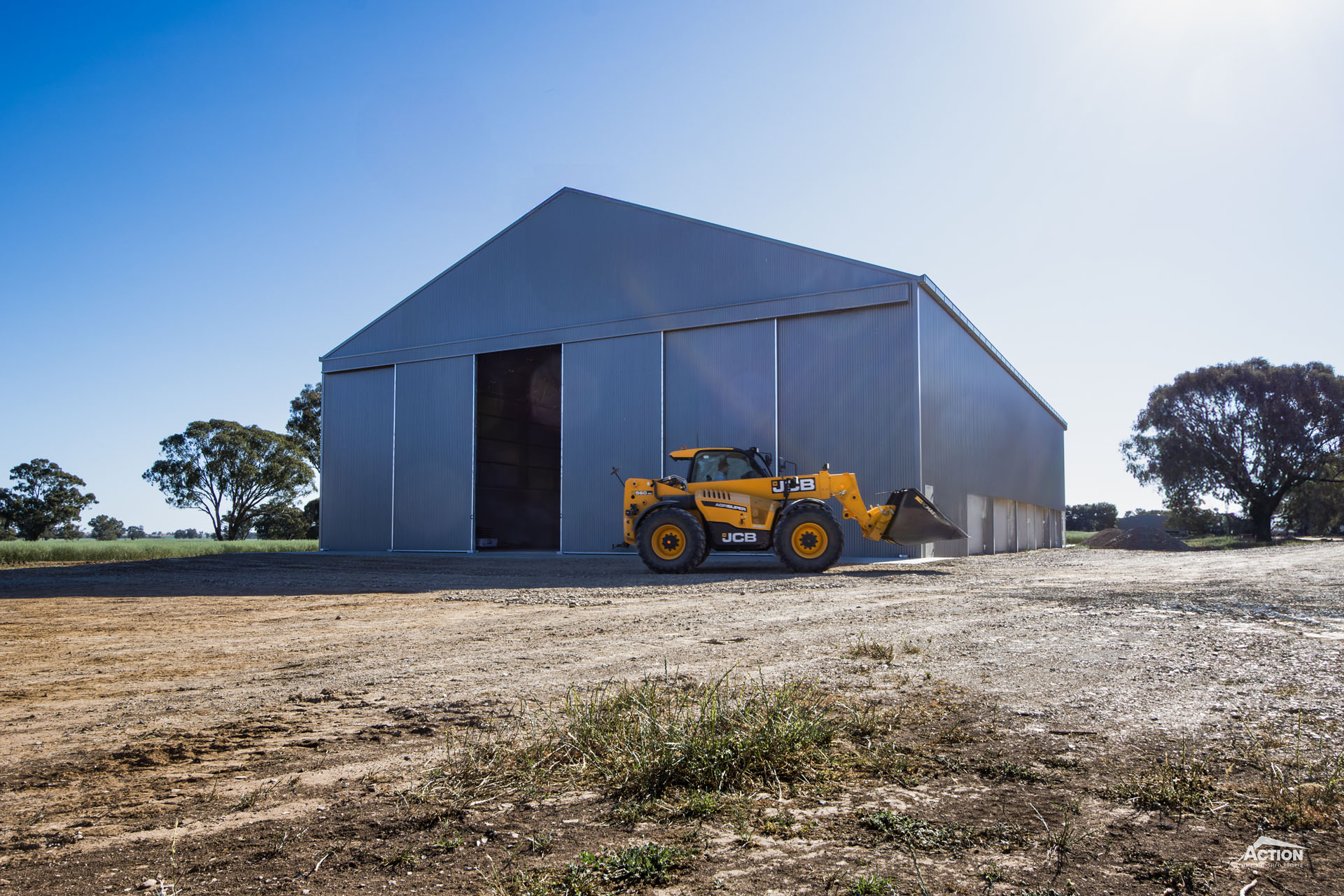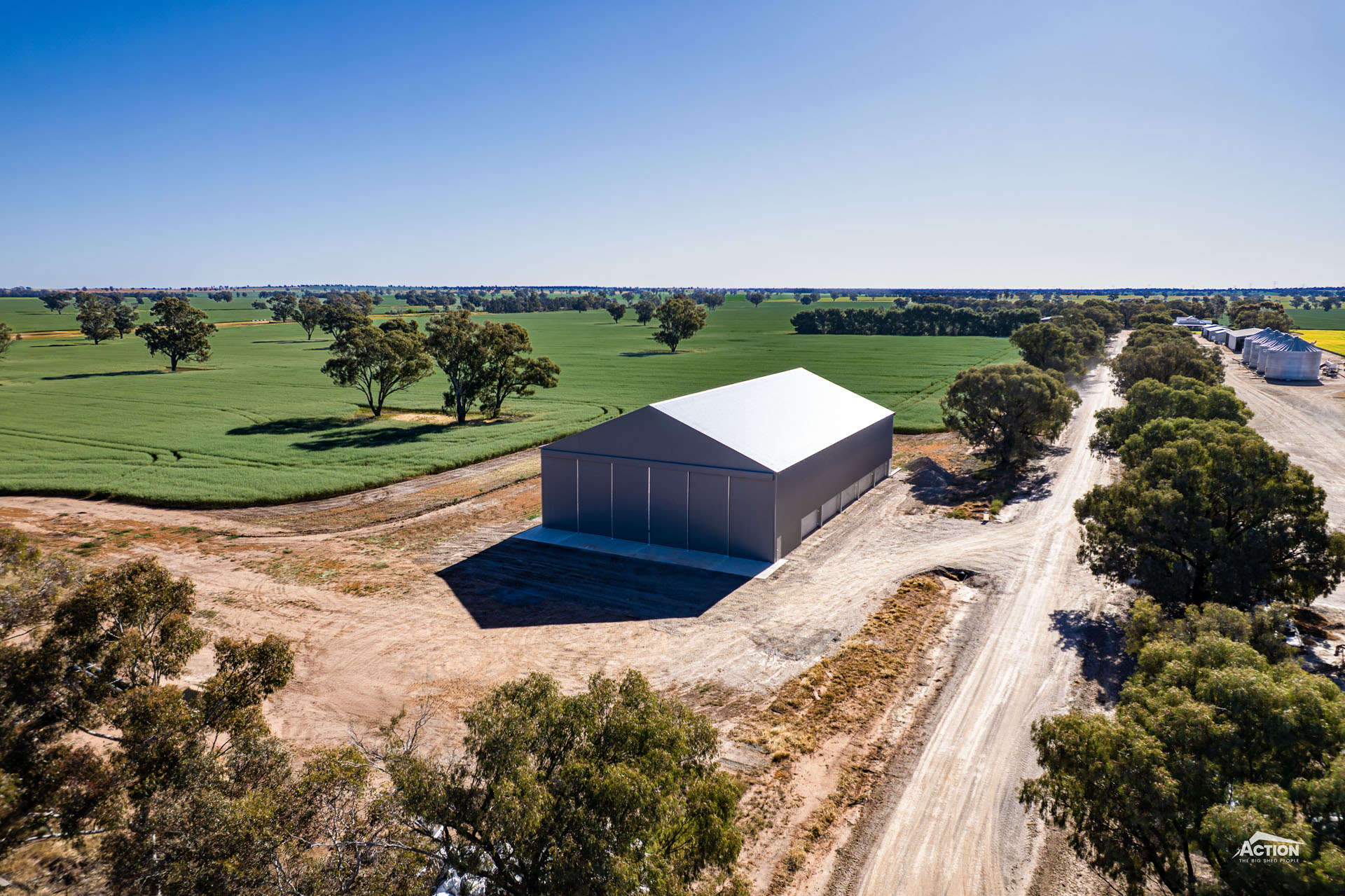
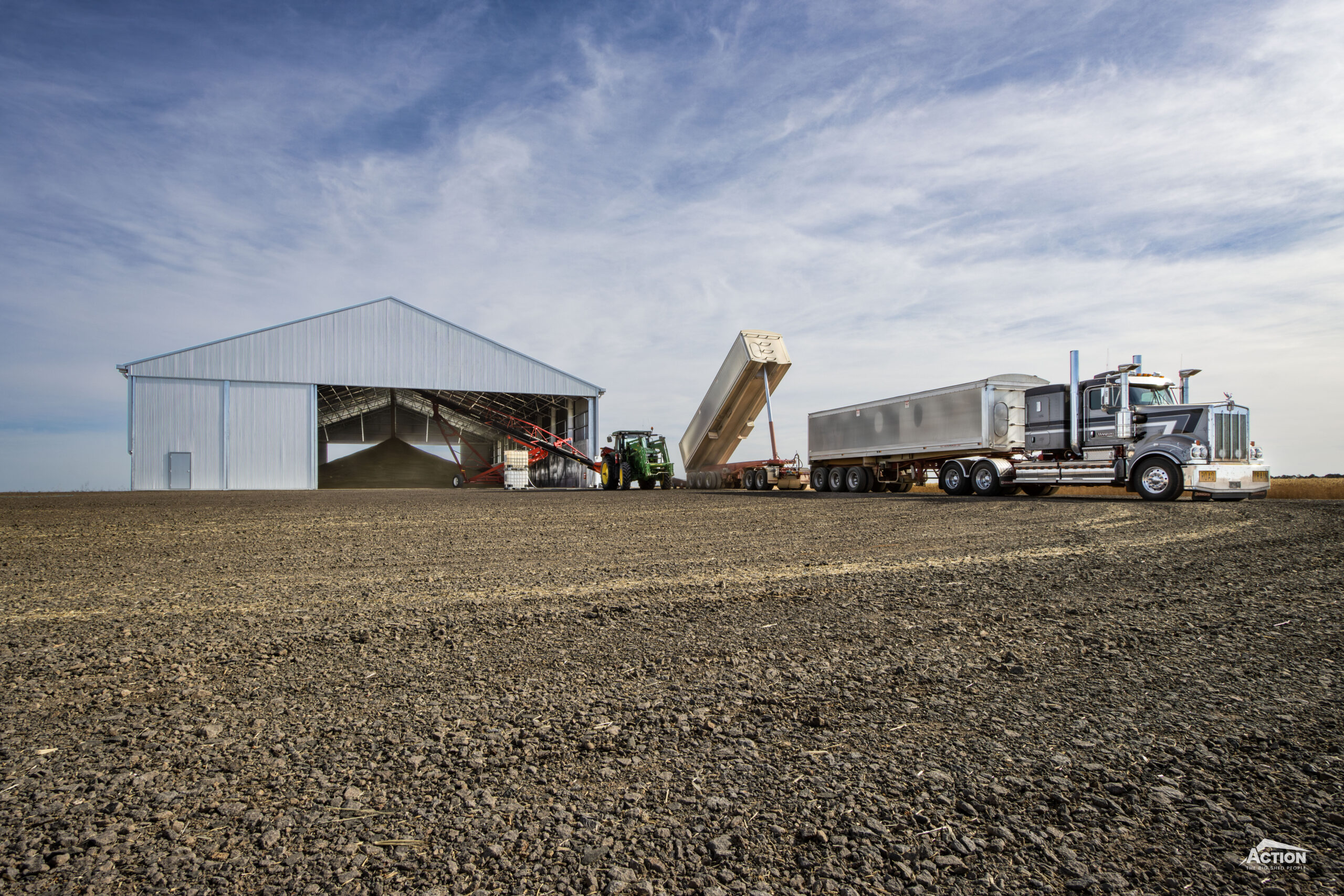
What are the current grain shed project timeframes? How long does it take to build a grain shed?
When planning a grain shed project, sizing and pricing are usually the first priorities. Yet timing is often what makes or breaks your grain storage plans.
The difference between being ready to store grain at harvest and scrambling for short-term solutions often comes down to when you start planning.
Understanding the stages involved in a grain shed project and what influences each one helps you avoid delays and stay in control of your schedule.
In this guide, we break down the key factors that affect grain shed project timeframes, share practical rules of thumb, and outline what you can do to keep your project moving.
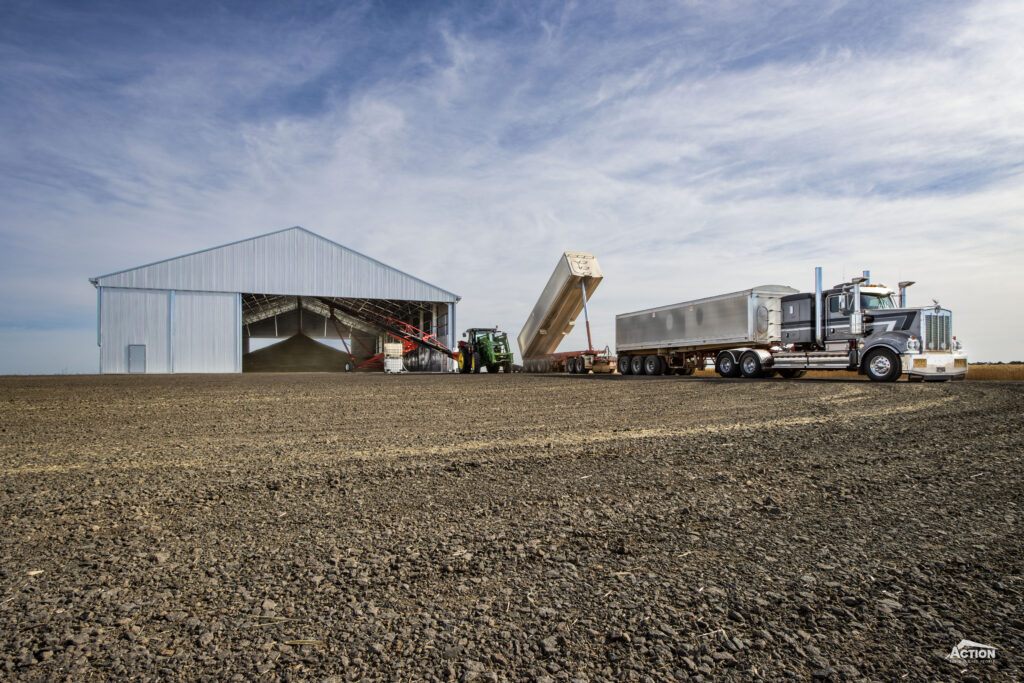
Taking The First Step
So, where do you start? With the end in mind.
Budget and storage capacity will always be important, but timing should be part of the conversation from day one, especially if you are working towards harvest.
The first step is usually an initial site visit and scope discussion with a building consultant, covering:
- What the shed needs to achieve
- How it will operate on the farm
- What supporting works may be required alongside the build
This helps set realistic timeframes and keeps the project moving smoothly through design, approvals and construction.

How Long Will Your Grain Shed Project Take?
Grain shed timeframes vary between projects, but there are useful rules of thumb to guide your planning.
Once the design is finalised, the manufacturing stage typically takes four to six months, depending on demand and complexity.
Installation generally takes several weeks, subject to shed size and site conditions.
The overall timeline can shift based on building classification, weather, approvals and project scope. You can learn more about how these factors influence timing further on in this article.
The most practical way to plan is to work backwards from when you need the shed to be fully operational.
For example, if you want grain storage ready by October, planning often needs to begin by January or February. That allows time for each stage and is typically ahead of peak demand.
Factors That Influence Time Frames
Every grain shed project moves through similar stages, but the time required at each stage will vary. For example, an on-farm storage shed will have different requirements to a commercial setup.
Some stages are driven by Action while others rely on the client, and understanding both is what helps keep your project on schedule.
1
1. Design Sign-Off & Deposit
Finalising the design and paying the deposit is the first step to getting your project underway.
Changes to the design after sign-off can require updated drawings and re-engineering, which adds time to an already involved process.
The deposit secures your place in the production schedule. Delays at this stage can mean missing preferred manufacturing windows.
2
2. Council Approvals, Classification & Fire Design
All grain shed projects will require council approval, and as Registered Builders, Action can make the applications on your behalf.
The timeframes for permit approvals vary between projects and will depend on factors like:
- The shire
- Site location and overlays
- If any objections are received
- Building classification
For example, the building classification may trigger additional requirements such as a compliant fire design.
It is always good practice to start the permit process earlier than you need to.
3
3. Site Preparation
Site preparation is typically the client’s responsibility and plays an important role in project timing.
A well-prepared shed pad, completed well in advance, helps keep the site accessible (even in wet weather) and avoids delays in the installation stage.
For example, if the site is not ready when materials are delivered, installation may need to be rescheduled, and this will be dictated by other projects in the schedule.
There are additional considerations for a grain shed site, such as ensuring there are correct site levels and adequate drainage to move water away from the shed and the surrounding slab.
It is also a good idea to include concrete and hard stand areas in your site preparation, such as:
- Concrete aprons at doorways and loading areas (the aprons should fall slightly away from the shed)
- A small step-up at door openings (around 30- 40 mm) to help stop water from running into the shed
- Hardstand zones for high traffic areas
It sounds simple, but don’t underestimate the importance of a good shed pad – during installation and beyond.
4
4. Manufacturing Lead Time
Once the design is locked in, production typically takes four to six months, depending on the project size, complexity and demand.
Generally, standard-size projects will move through the drawing, engineering and manufacturing stages faster.
5
5. Weather
Starting your grain shed project early can help avoid scheduling installation during the wet months.
As mentioned earlier, a good shed pad and access roads also play an important role in wet weather.
6
6. Installation & Trades
Grain shed installation generally takes several weeks, depending on the shed size, complexity, and site conditions.
Grain shed projects often involve additional trades such as concreters, electricians and plumbers.
Effective communication and coordination between these trades helps ensure a delay in one area doesn’t affect overall progress.
7
7. Concrete Curing Time
Concrete curing time is often overlooked when working towards an operational date.
As a rule of thumb, allow four weeks for your concrete slab to cure before you drive trucks across the slab or load the shed.
How To Speed Up The Process
If your goal is to have grain storage ready before harvest, start early to avoid delays and remove bottlenecks.
The main ways you can influence grain shed project timeframes are:
- Allowing additional time for unexpected delays such as council approval hold-ups or weather events.
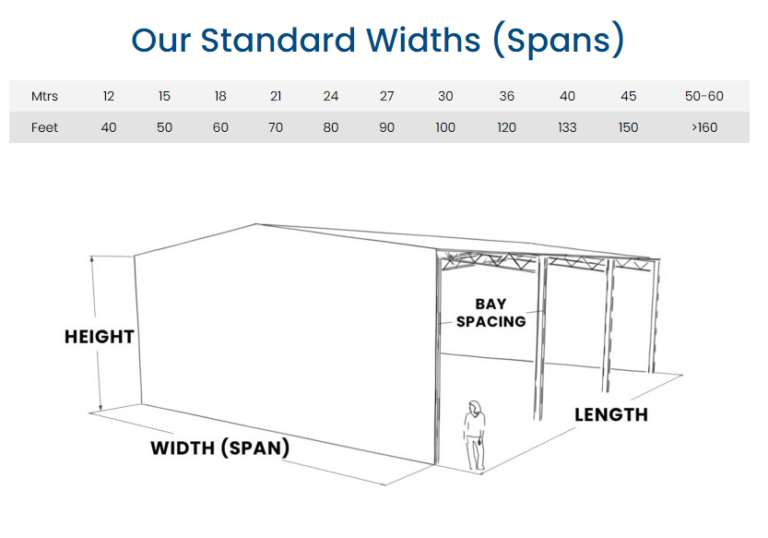
- Choosing a standard span. Grain shed designs with standard span sizes typically move through the drafting and manufacturing stages faster. For example, 24 metres and 27 metres are popular standard spans for grain sheds.
- Understanding your responsibilities and how they affect timing. This includes signing off on the design, paying the initial deposit to get the project underway, and preparing the site.

Why Now Is The Ideal Time To Start Your Project
Traditionally, growers only started thinking seriously about grain storage once the crop was in the ground.
While there is always seasonal demand, these days growers are generally thinking much longer term.
This means that there are grain shed projects on the go, year-round.
As a result, the window of time for booking in harvest projects is shorter.
Starting earlier allows time to:
- Finalise design decisions
- Work through permits and compliance requirements
- Complete site preparation
- Work around unfavourable weather
- Coordinate trades without pressure.
It also helps you avoid peak seasonal demand, when lead times are typically longer, and fabrication, freight and installation schedules are filling up.
We trust this article has provided a clear picture of grain shed project timeframes and the factors that influence them.
Looking for more information on grain shed projects? Check out the resources below.
Useful Resources
- How To Plan Your Grain Shed Site
- What Is The Best Grain Shed Loading Method?
- Farm Shed Pad Guide: Ideas, Sizes & Prices
- Grain Storage Calculators
Ready to get your grain shed project underway? Book a consultation on 1800 687 888.