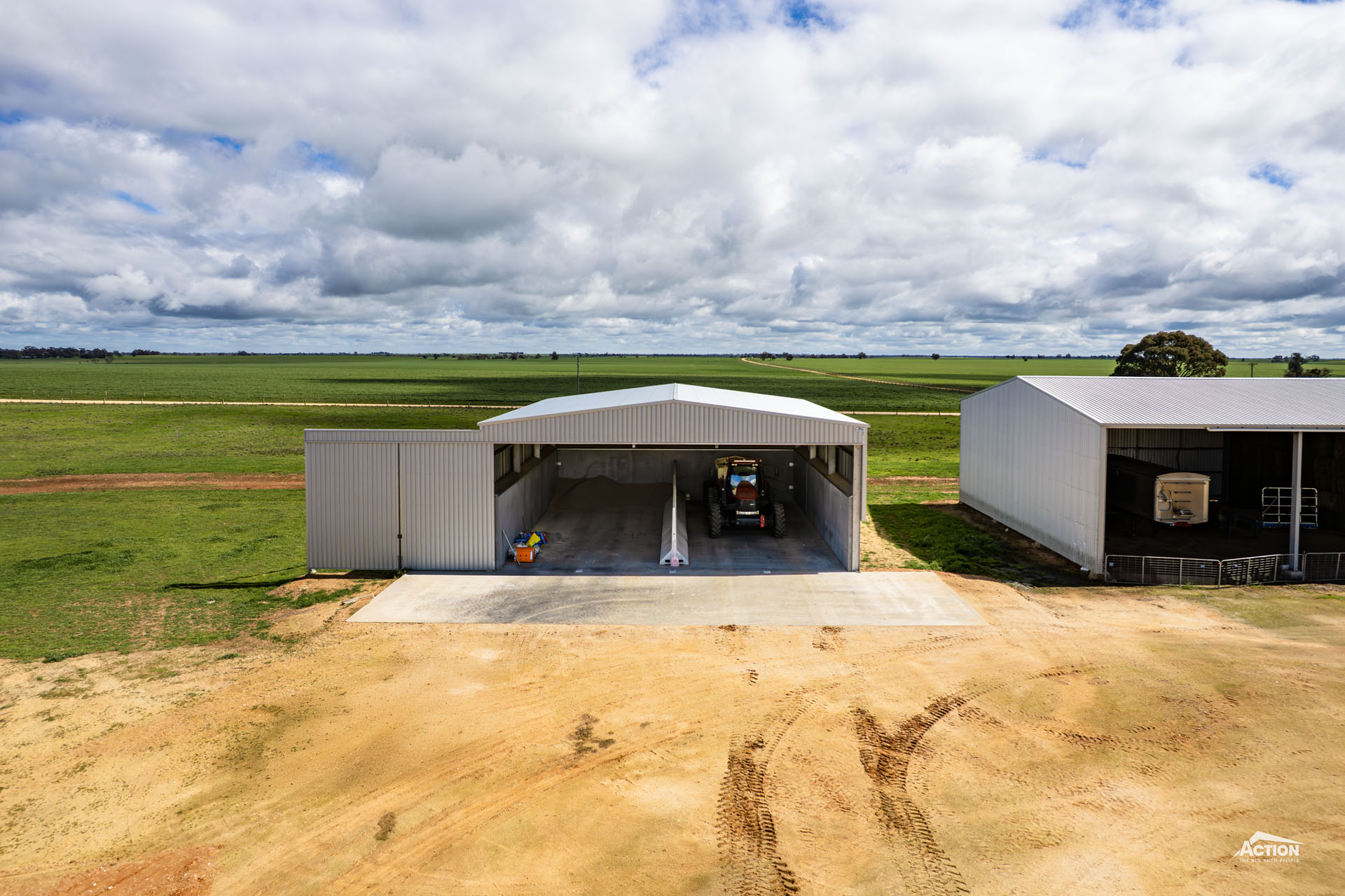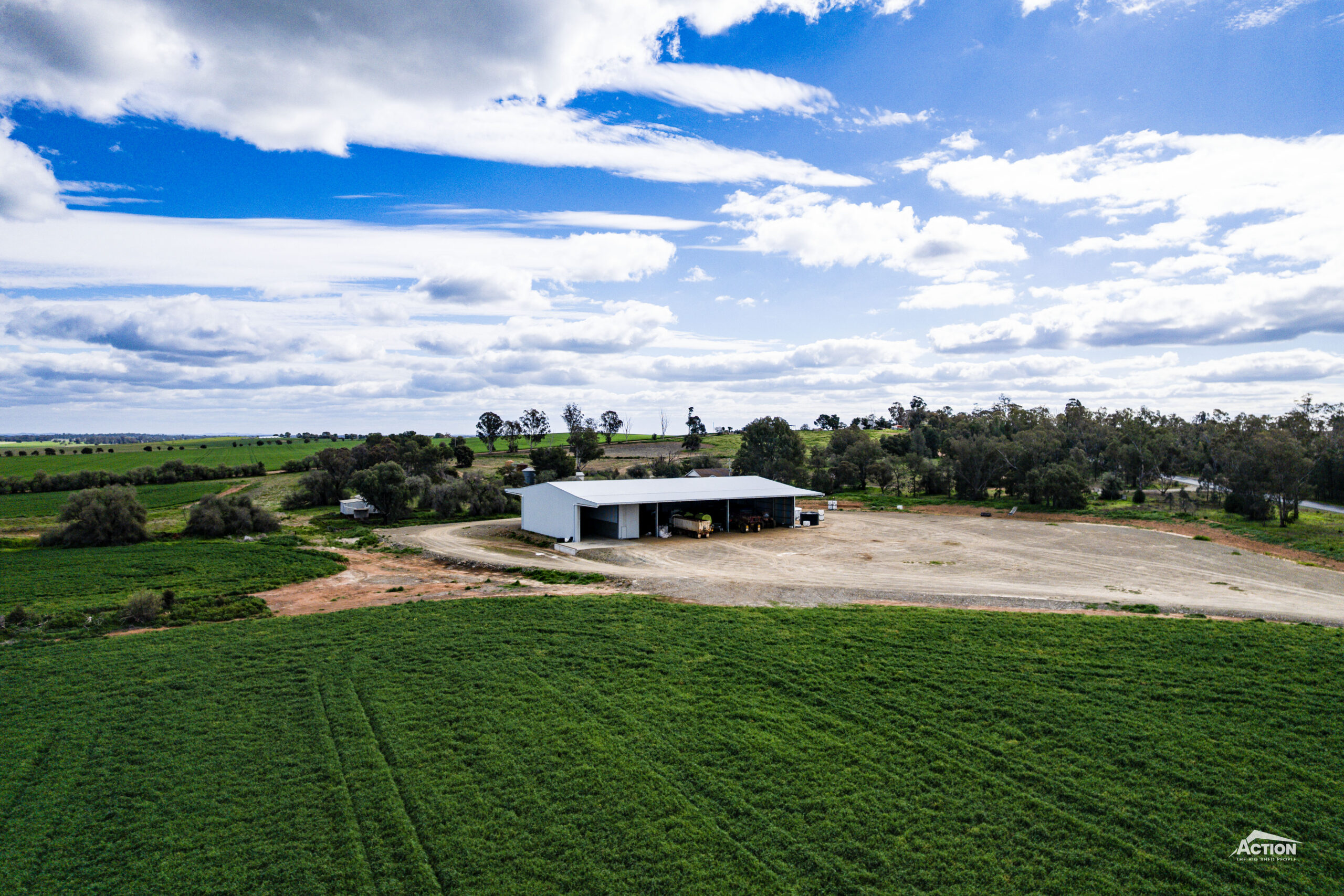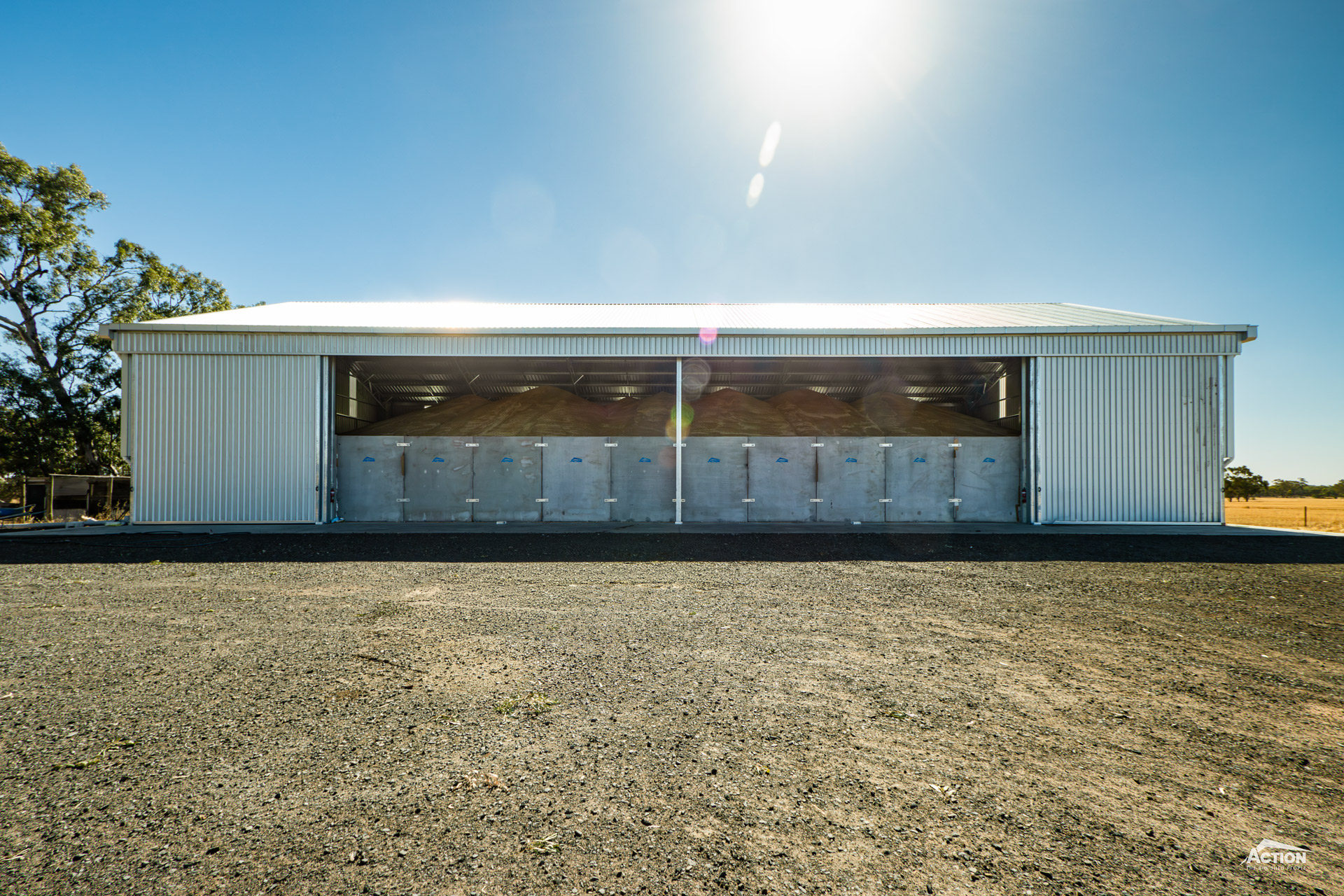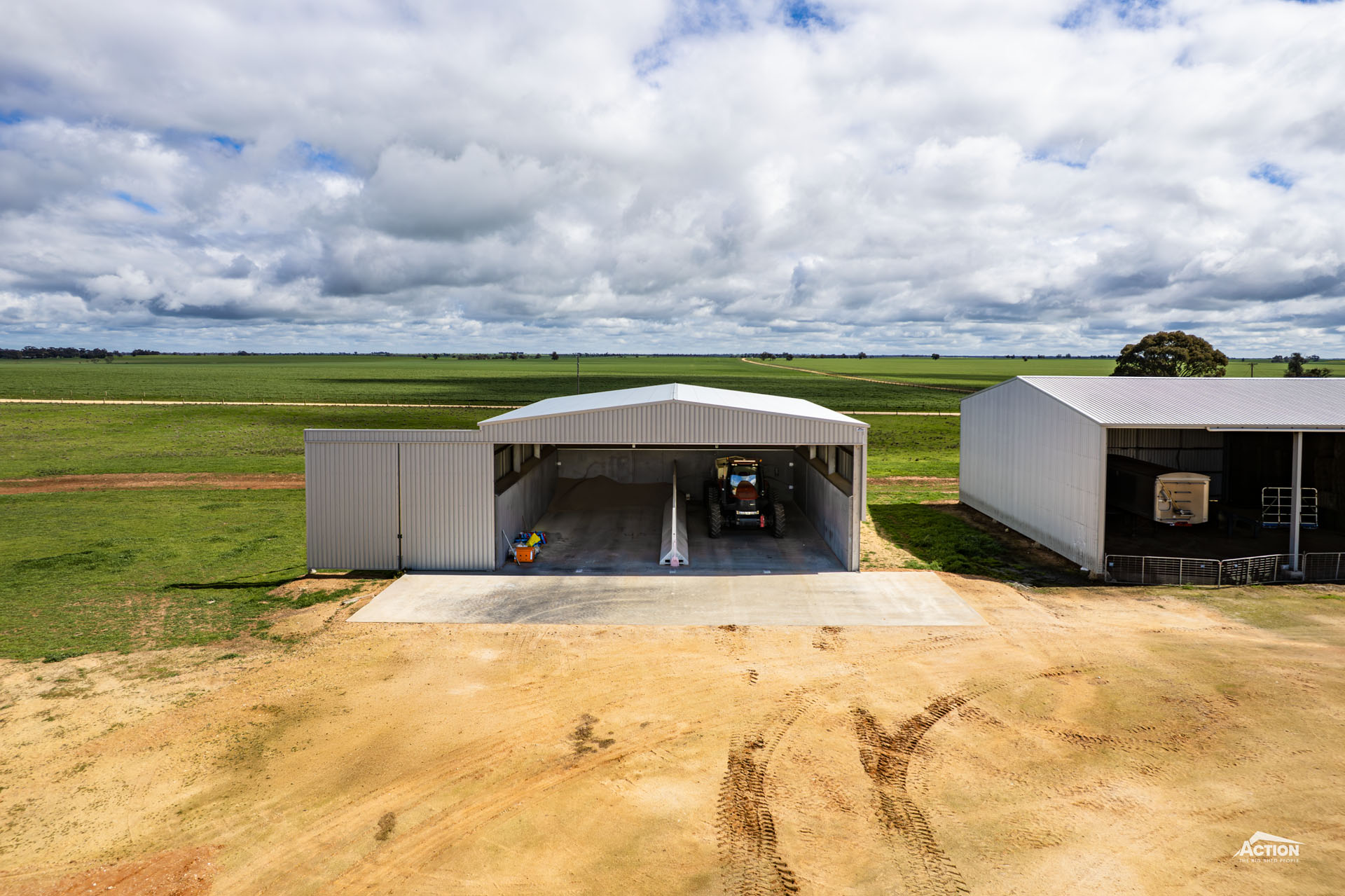
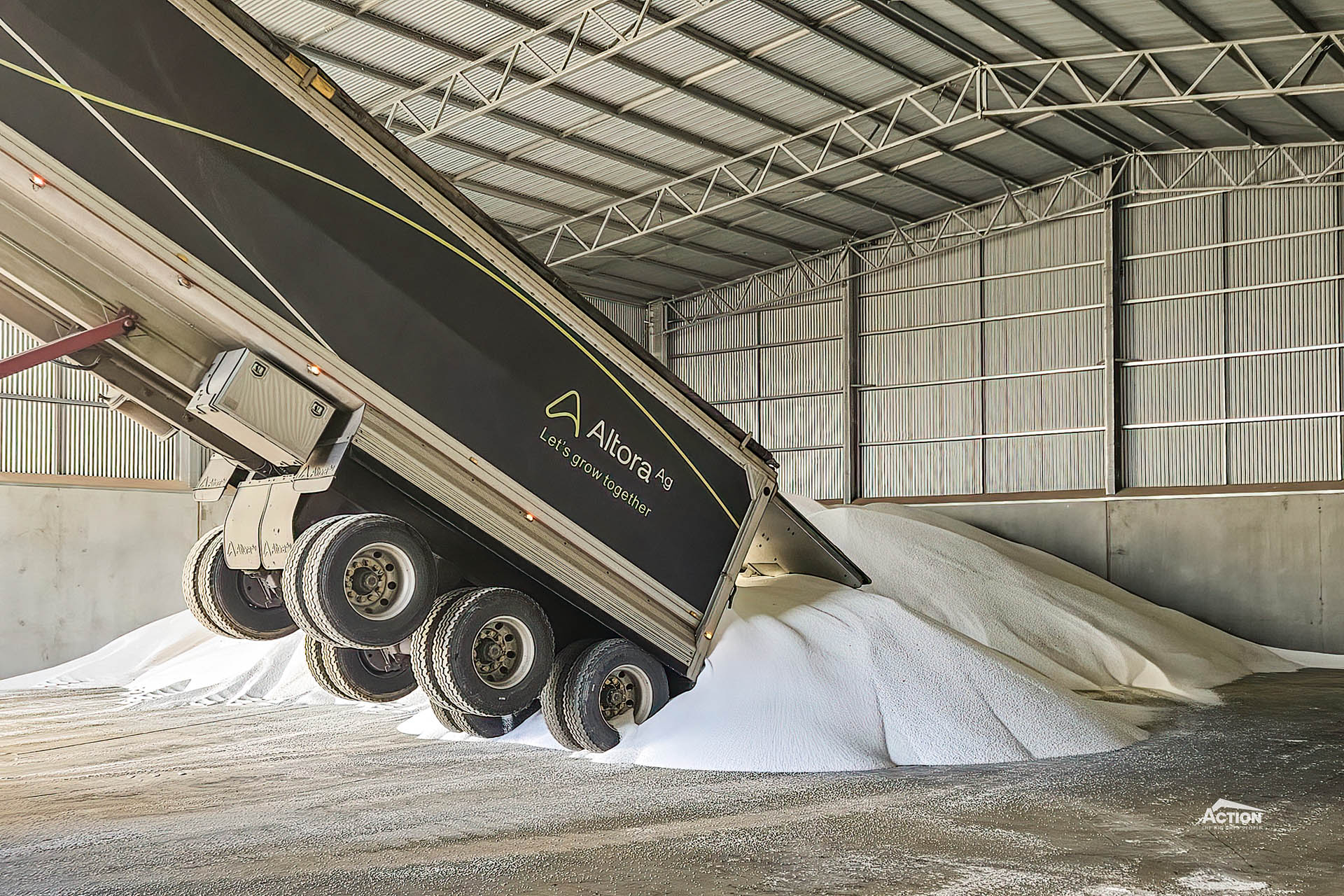
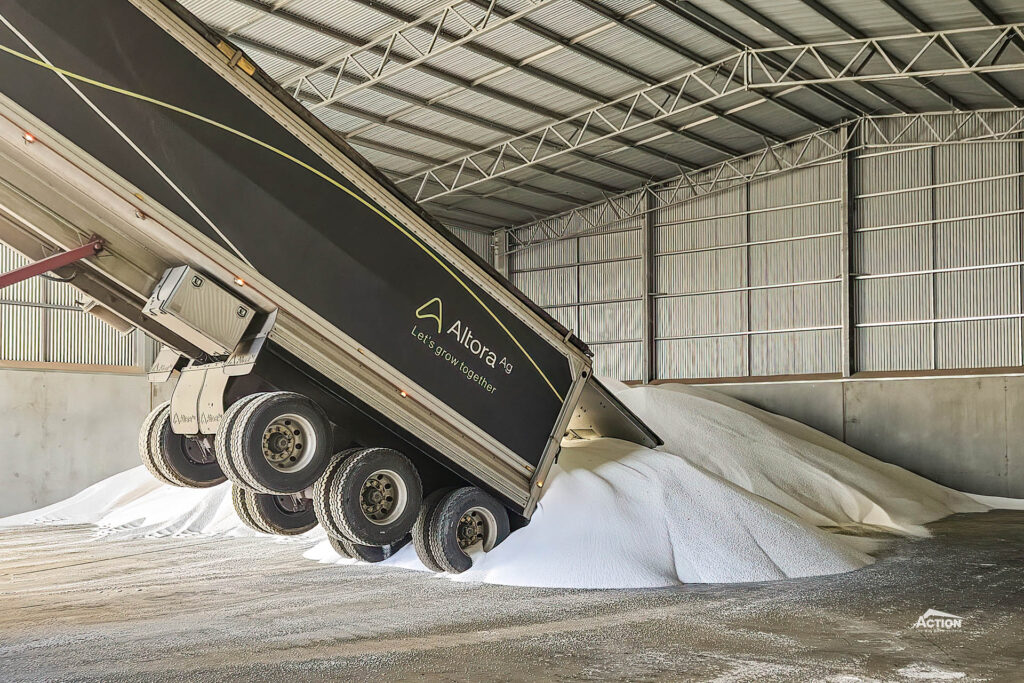
Thinking about building a fertiliser shed? Curious about timeframes? When is the best time to build a fertiliser shed?
It’s safe to say there is a fertiliser shed frenzy! With fertiliser supply shortages and uncertainty and prices skyrocketing, growers are looking for ways to secure fertiliser supply, have more control over input prices and reduce the impact of global events on their operation.
While a response to current market conditions, fertiliser sheds have been steadily groin in popularity over the past few years as producers think long-term and reap the benefits of on-farm fertiliser storage – from cost saving to efficiency.
So, when is the best time to build a fertiliser shed to take advantage of these benefits?
Building A Fertiliser Shed For Cropping
Having a fertiliser shed built and operational ahead of cropping allows you to take delivery of your fertiliser earlier, rather than the usual just-in-time deliveries.
This helps avoid supply shortages or issues, and it makes cropping much more efficient.
As we often say, it’s always better to be looking at your fertiliser, than looking for it!
Plus, it also allows you to store and protect any excess product – rather than money down the drain.
To have your fertiliser shed fully operational in time for cropping, it’s best to start the process at least eight months before -or earlier.
For example, if your project deadline is February 2027, getting your project underway in June-July 2026 allows time for the permit process, Christmas holiday breaks and concrete curing.
Building A Fertiliser Shed To Buy Product At Lower Prices
One of the greatest opportunities for return on investment from your fertiliser shed is the ability to buy in fertiliser before prices peak.
Fertiliser pricing typically increases early in the year ahead of and during peak seasonal demand, whereas pricing is usually lower around November.
It will be interesting to see how this plays out this year – Episode3 write here of bracing for impact as historically fertiliser prices can last from 6 months to 5 years.
Having your fertiliser shed ready to go well ahead of the next cropping seasons is often the ideal scenario for cropping enterprises thinking long-term. If fertiliser prices do plateau or decrease, a fertiliser shed allows you to capitalise on this opportunity and save money.
Again, it is best to get your fertiliser shed underway at least eight months prior to your target operational date.
For example, if your project deadline is November 2026, getting your project underway in March-April allows time for the permit process, working with potential weather delays in winter and concrete curing time.
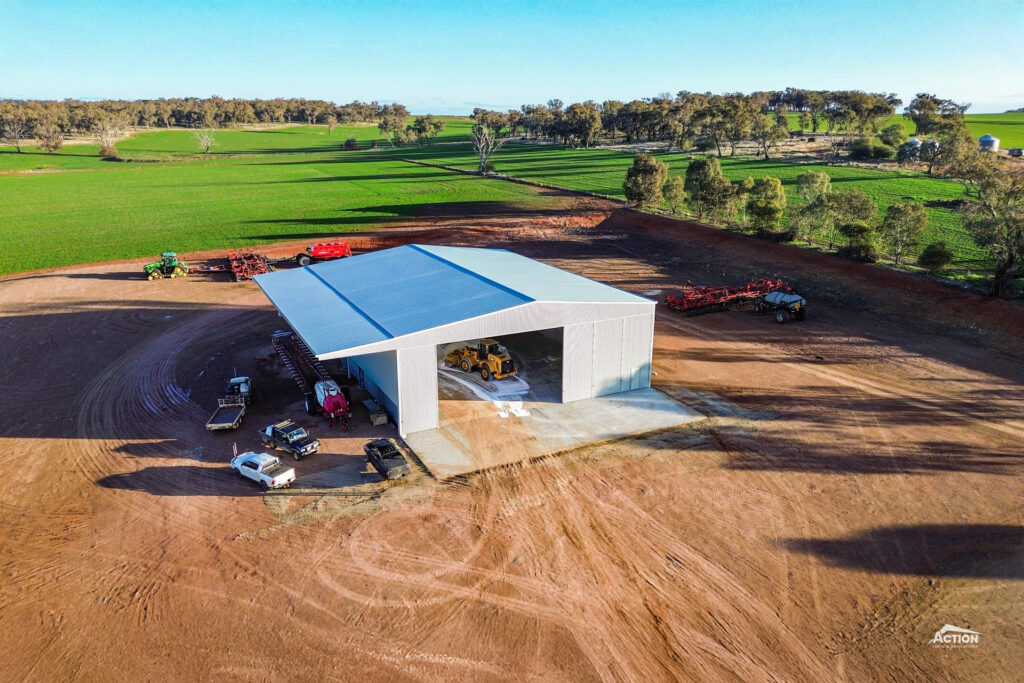
Building A Fertiliser Shed For Harvest Storage Too
One of the primary benefits of a bulk fertiliser sheds is the versatility.
For example, a fertiliser shed can also provide short-term grain storage at harvest.
Each harvest we hear from growers using their fertiliser shed to store grain when there’s wet weather coming, or receival sites can’t keep up.
Storage efficiency pays dividends in busy harvests – and this could be the case for your 2026 fertiliser shed build if you get the timing right.

We typically recommend allowing eight months for a fully operation project – that includes cured concrete, permit sign offs and allows for some unexpected delays such as weather events during installation.
For example, if your Winter crops are coming off around October 2026, and you want the option of extra storage space, get your fertiliser shed project underway in March-April 2026.
Building A Fertiliser Shed To Reduce The Impact Of Global Events
With farming there are many things outside of our control, from weather events to changing storage regulation, and these are risks that we have to manage and mitigate.
Fertiliser prices are another classic example and especially pertinent given the current global situation.
As we are seeing, with Australia relying on imported fertiliser when events such as the conflict in the Middle East impact fertiliser supply and prices, growers have little option or alternative.
While a fertiliser shed won’t dictate global markets, over the past few years growers have proved the value of securing and storing fertiliser supply when they can – simply because of the volatile nature of the fertiliser market (in terms of supply, quality and pricing) and how quickly it can change.
It’s about controlling the controllable – however small.

Understanding Fertiliser Shed Timeframes
As a general rule, the lead time for a new fertiliser shed is between four and six months delivered to site.
The installation stage can take several weeks, depending on the size of the shed and complexity of the design.
Allowing eight months or more for your fertiliser shed project is a smart move, because there are several factors that can impact timeframes.
Here’s how working together can keep your fertiliser shed project on track:
- Paying the deposit and signing off on the design locks your spot in the schedule and gets drawings underway.
- Keeping in mind that larger fertiliser sheds can have more involved permit processes, such as fire design requirements which the Action projects team can manage on your behalf.
- Communicating any design changes early and understanding how they could impact timeframes, as the drawing stage is one of the more involved processes.
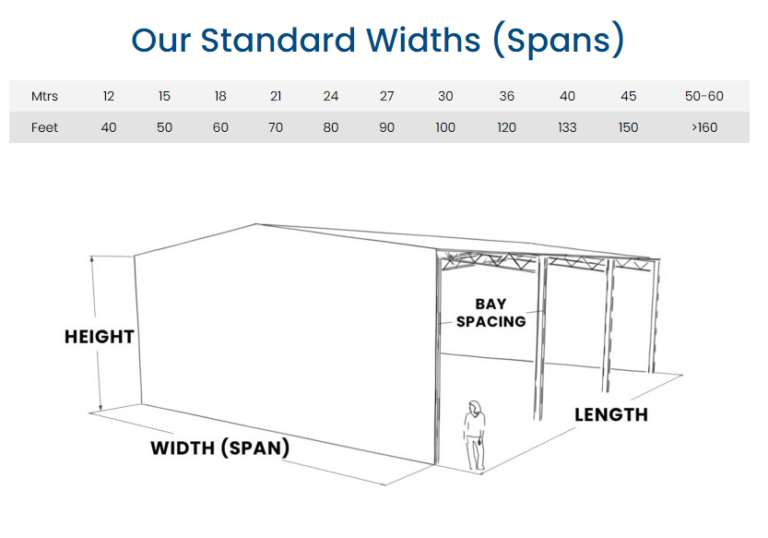
- Choosing a standard span size helps your project move through the drawing and manufacturing stages faster (and it’s more cost-effective too)
- Preparing the shed site well and ahead of time makes installation easier and keeps the site accessible even in wet weather.
- Considering the time of the year and whether there is any potential for weather delays (e.g. winter months)
- Allowing around four weeks for concrete curing time before the shed is loaded. This is typically also managed by the Action projects team
We always recommend working backwards from your target date to ensure you aren’t caught short. The Action building consultants and Projects team are available to provide project-specific advice on timeframes to help avoid any delays.

Why Now Is the Ideal Time To Build A Fertiliser Shed
There’s no bad time to build a fertiliser shed – although hindsight tells us having fertiliser stored ahead of the 2026 season would have been a game changer – a well-designed fertiliser shed can provide value year-round.
However, there may be a best time based on your operational goals, whether that’s saving money on fertiliser, increasing efficiency at cropping, or extra storage space at harvest.
You should also consider factors like:
- The weather – is there a risk of weather delays?
- Manufacturing timeframes – will they increase as demand increases?
- Opportunities to increase profitability – can you use your shed for harvest storage?
- The impact of the current conflict in the Middle East, not only on fertiliser supply and prices but steel too – will there be another steel price rise?
So, we recommend locking your fertiliser shed project in now for:
- Harvest 2026 storage
- Buying in fertiliser before prices peak
- Planning ahead for cropping 2027
- Allowing time for winter weather delays
- Getting in ahead of further steel price rises
- Being in the best possible position to respond to a volatile market in uncertain times
We trust this discussion on fertiliser shed timing has provided food for thought!
You may also find these resources helpful:
- Standard Fertiliser Shed Range (Size & Price Guide)
- Take A Tour Through A Standard Fertiliser Shed (Video)
- 2026 Steel Prices Update
To start the process for your fertiliser project, talk to the Action team on 1800 687 888 about designs, sizes, pricing and timeframes – we would love to work with you.