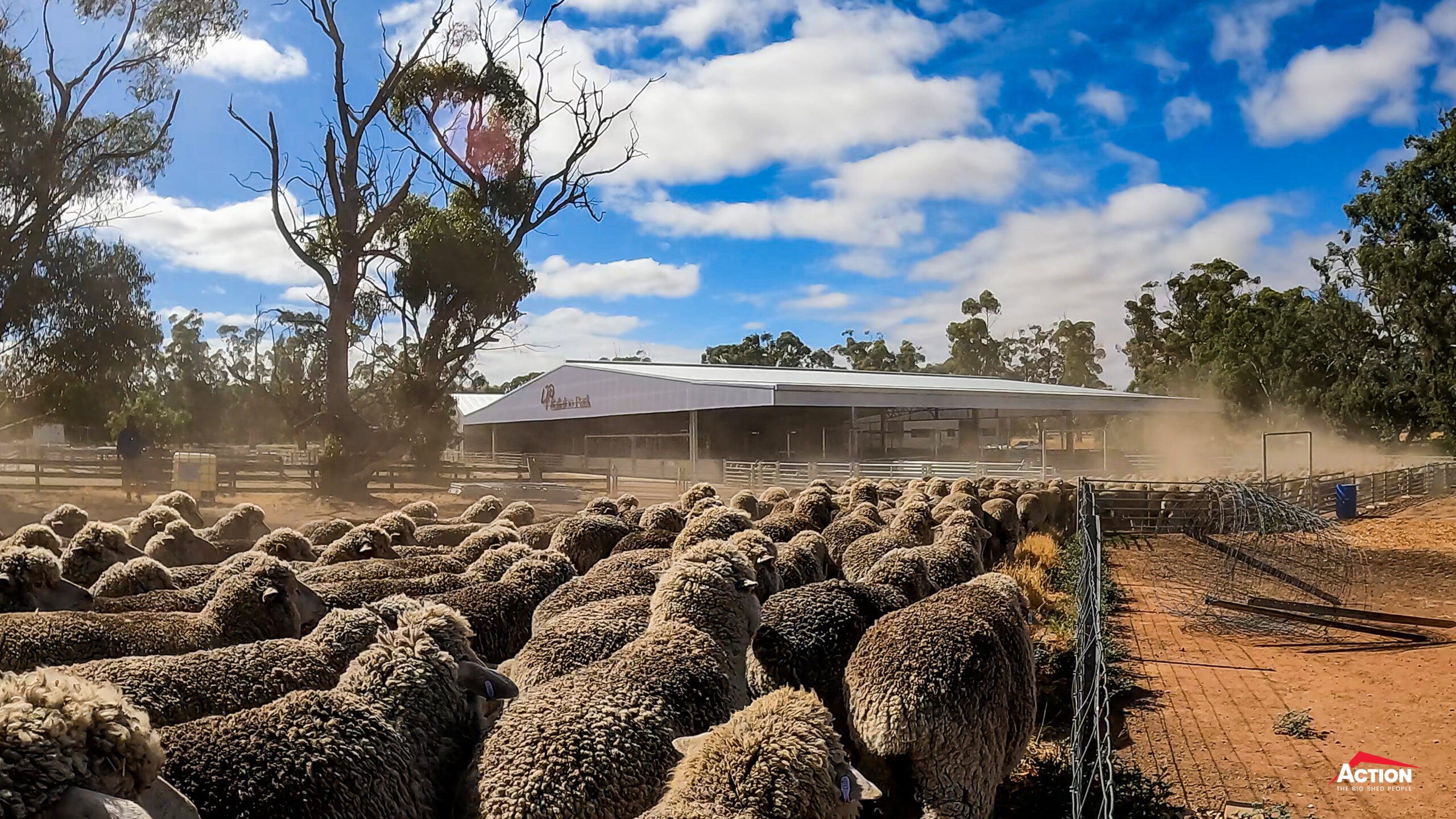
Australian Sheep Market 2026 - Sheep Moving Into Covered Yards

Where a Yard Cover Really Pays Off

One of the most common things we hear from farmers after their yard cover goes up isn’t, ‘It paid for itself in a year.’ It’s simply relief that they didn’t wait any longer.

“There's only one problem with it: I should've built an Action yard cover years ago.”
Peter Grant
Abminga

A yard cover isn’t like a hay shed or a grain shed. There’s no tonnage sitting under that roof you can sell later at a better price.

The majority of sheep and cattle yard cover projects fall between $80k and $200k. Depending on your operation, that is a significant investment, so it’s fair to ask what you get back from it.

The honest answer is: not dollars. At least not directly. Here’s the yard cover benefits you actually get:

Yard Cover Benefits:

It’s how you keep good staff

Shearers, farm hands and farm managers notice which operations look after them. Facilities are part of the decision now, not an afterthought.

Yard work out of the wind, rain and glare from the sun is a different job to the same work in the open. Farmers who’ve covered their yards tell us it changes how staff feel about turning up, and how long they stick around. In an industry where good labour is hard to find and harder to keep, that’s not a small thing.

Comfort works both ways

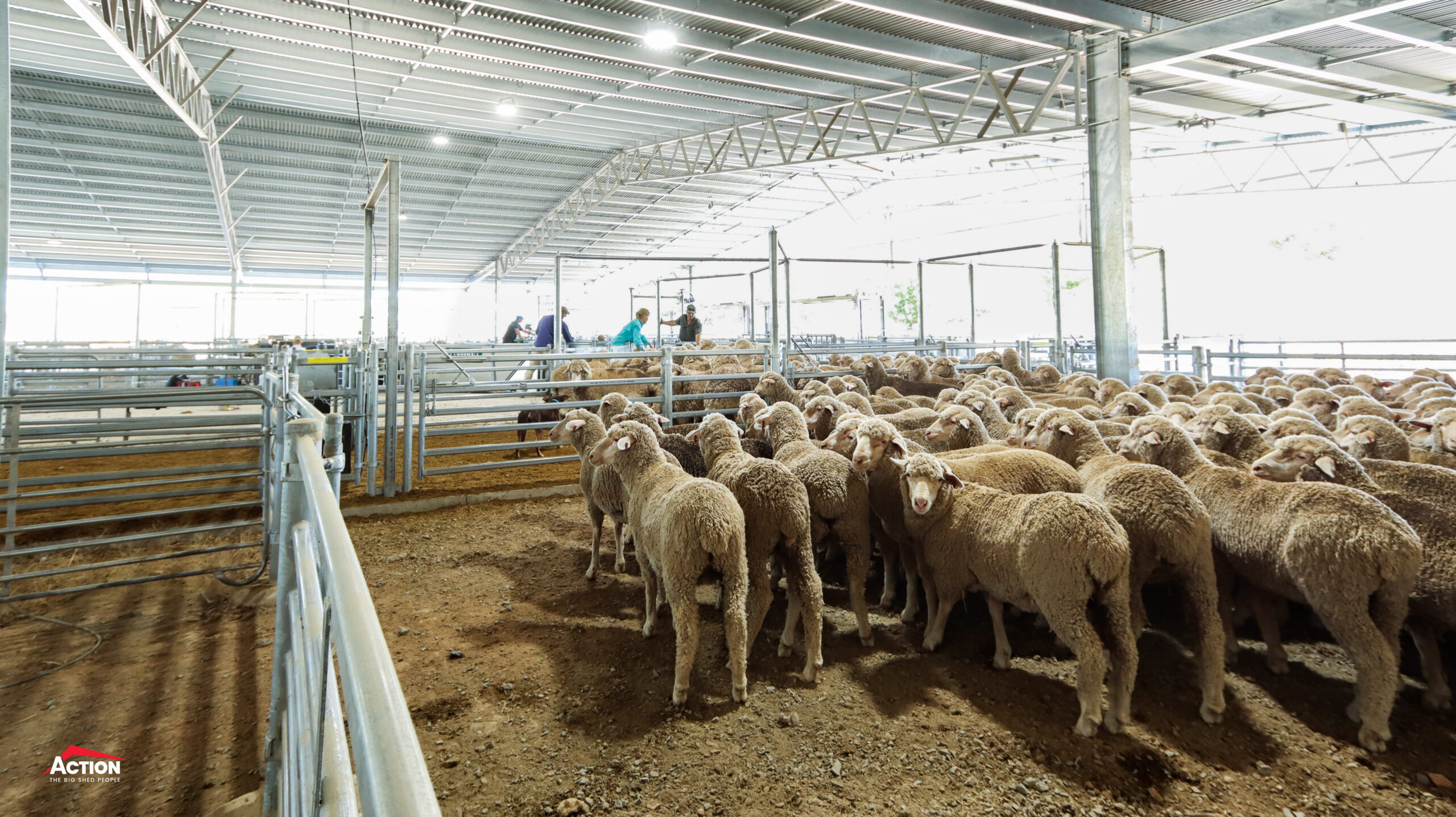
“A couple of years ago we demolished the sheep yards, put up an Action shed and put new yards under it. That's one of the best things we've done, managing sheep in a way that's comfortable for them and for us.”
Anthony Allen
Rockalen Pastoral

Cooler in summer. Cosier in winter. A roof over the yards means shade and airflow when it’s 40 degrees, and shelter from wind and rain when it’s not. That goes for the people working the yards and the stock standing in them.

Calmer stock, better outcomes

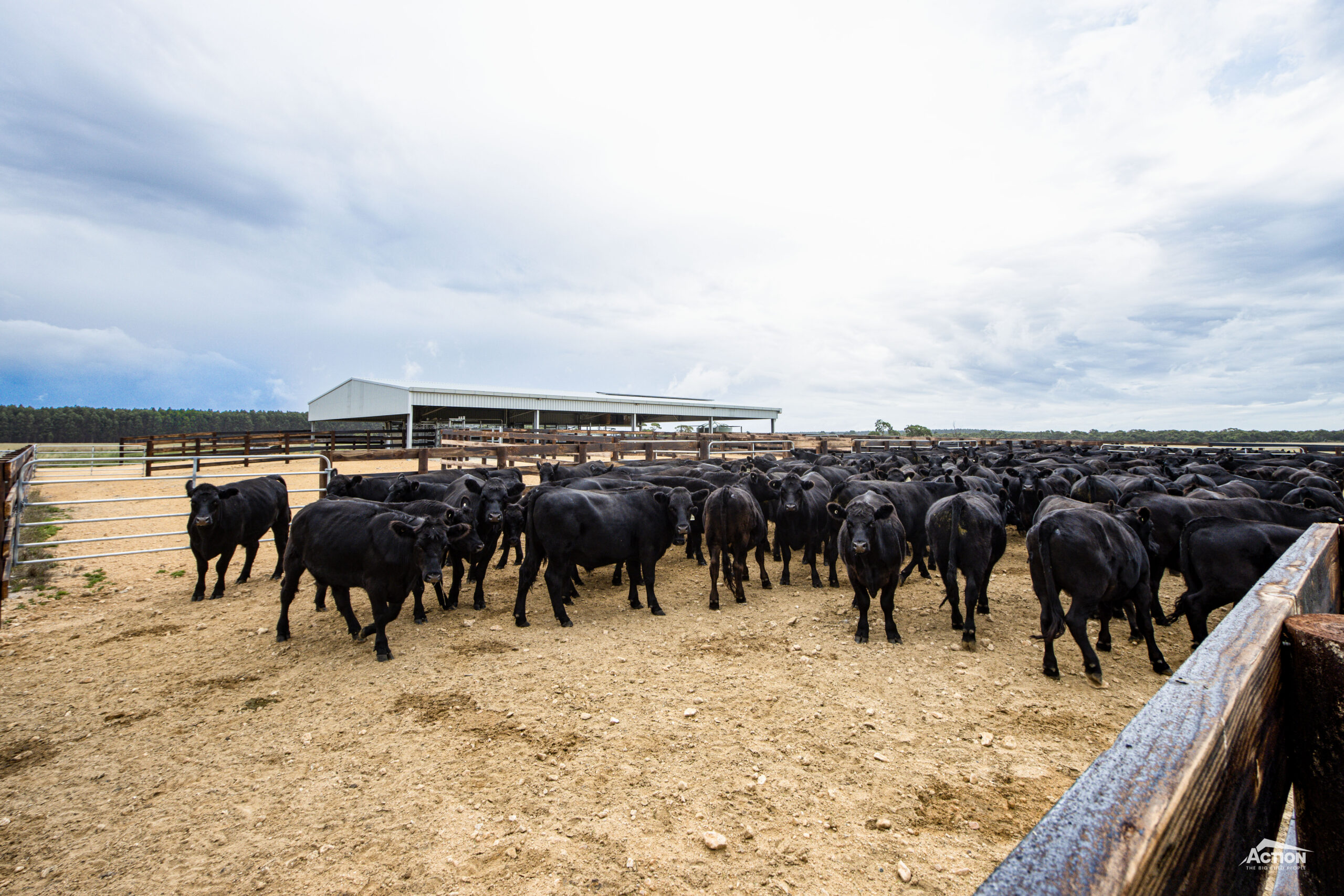
Livestock under stress don’t perform well in the yards. Like humans, livestock don’t thrive in cold, heat, wind or mud. A low-stress, sheltered yard keeps stock calmer through handling, and calmer stock are easier and safer to work with.

We can’t put a guaranteed dollar figure on this one. But farmers running stock through covered yards consistently report better outcomes than the same job done in the open.

Fewer risks, safer days

Wet, slippery yards and heat exhaustion cause more workplace injuries than most farmers expect. A dry, shaded yard removes a good chunk of that risk before it becomes a problem. Fewer injuries mean fewer sick days, less time lost, and staff who get home in one piece.

Time you get back

A yard cover means you’re not waiting on the weather. Jobs that previously can only happen on dry days, can happen on wet days too. On hot days, work can continue later rather than having to stop early. That flexibility often means more time for family, or for the fifty other jobs waiting on a cropping and livestock operation.

Protecting what you’ve already invested in

Yards cost real money to build in the first place. A roof over them slows the weather damage that eventually wears steel and timber down, stretching the life of an investment you’ve already made.

Dry sheep at shearing time

Keeping sheep dry at shearing can be touch and go when the weather is not in your favour, especially when the shed is packed to the rafters. Utilising the yard cover as an extension of the woolshed enables you to keep the shearers happy with dry sheep, without having to pull up stumps. 

Worth building

A yard cover won’t show up as a line item of profit on your books. But staff who stay, stock that are less stressed, fewer injuries and a workday that isn’t dictated by the weather stack up over time.

If you’re weighing up a yard cover for your operation, talk to our building consultants. We’ll help you work out a design that suits your yards, your budget and your operation.

Call 1800 68 78 88 or get in touch here to request a quote.

Share this article!