Shearing day

Shearing Sheds Built For The Next Generation: 4 Projects To Inspire Your Plans

A good shearing shed is built to work for decades. Over its life it will see changes in the flock and plenty of new faces on the board. It’s an investment in the future of the business, and for many families it’s part of setting the operation up for whoever comes next.

That’s why shearing shed design has come such a long way. Growers are building sheds that are safer for shearers and shed hands and hold more sheep under cover. They want stock to move through without bottlenecks, and a wool room that helps the team turn out a well-prepared clip. Good facilities also go a long way toward attracting and keeping a reliable shearing team.
Stronger wool prices have given plenty of growers a reason to look at their woolshed again.

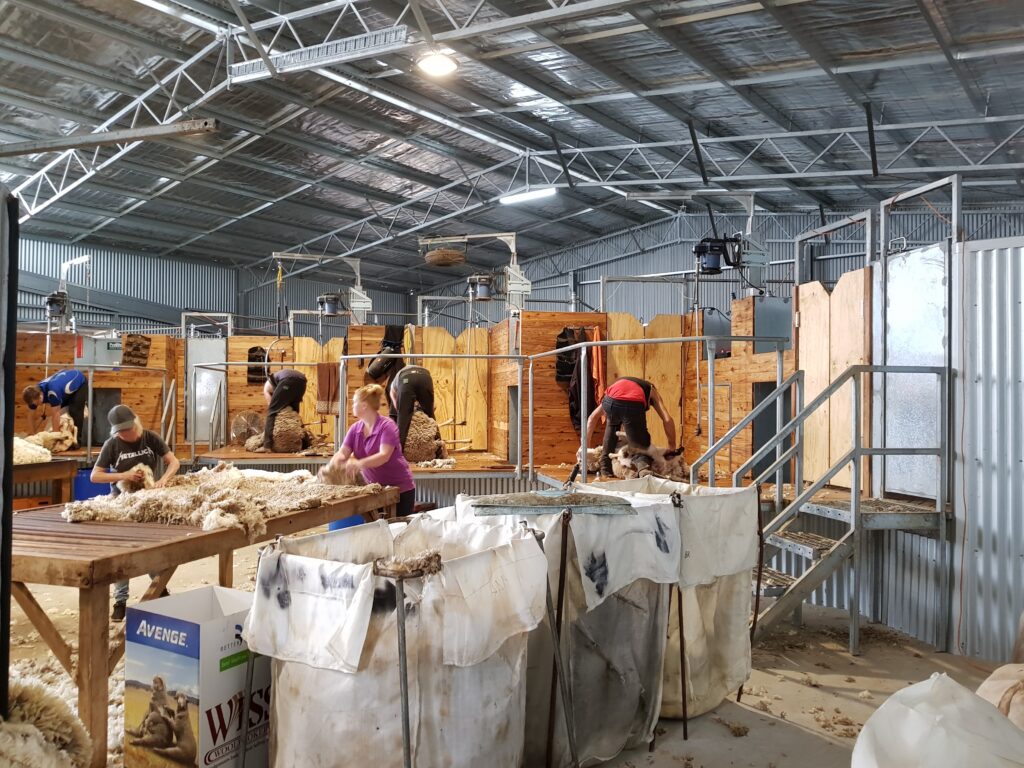
Internal Shearing Shed

The Eastern Market Indicator sat at 1,785c in the week to 22 October. That was an easing after several weeks of falls, but still above where it sat before the 2025-26 season. Prices will rise and fall, but a well-designed shed keeps paying its way long after the market has moved on.

Good shearing shed design starts with how sheep move

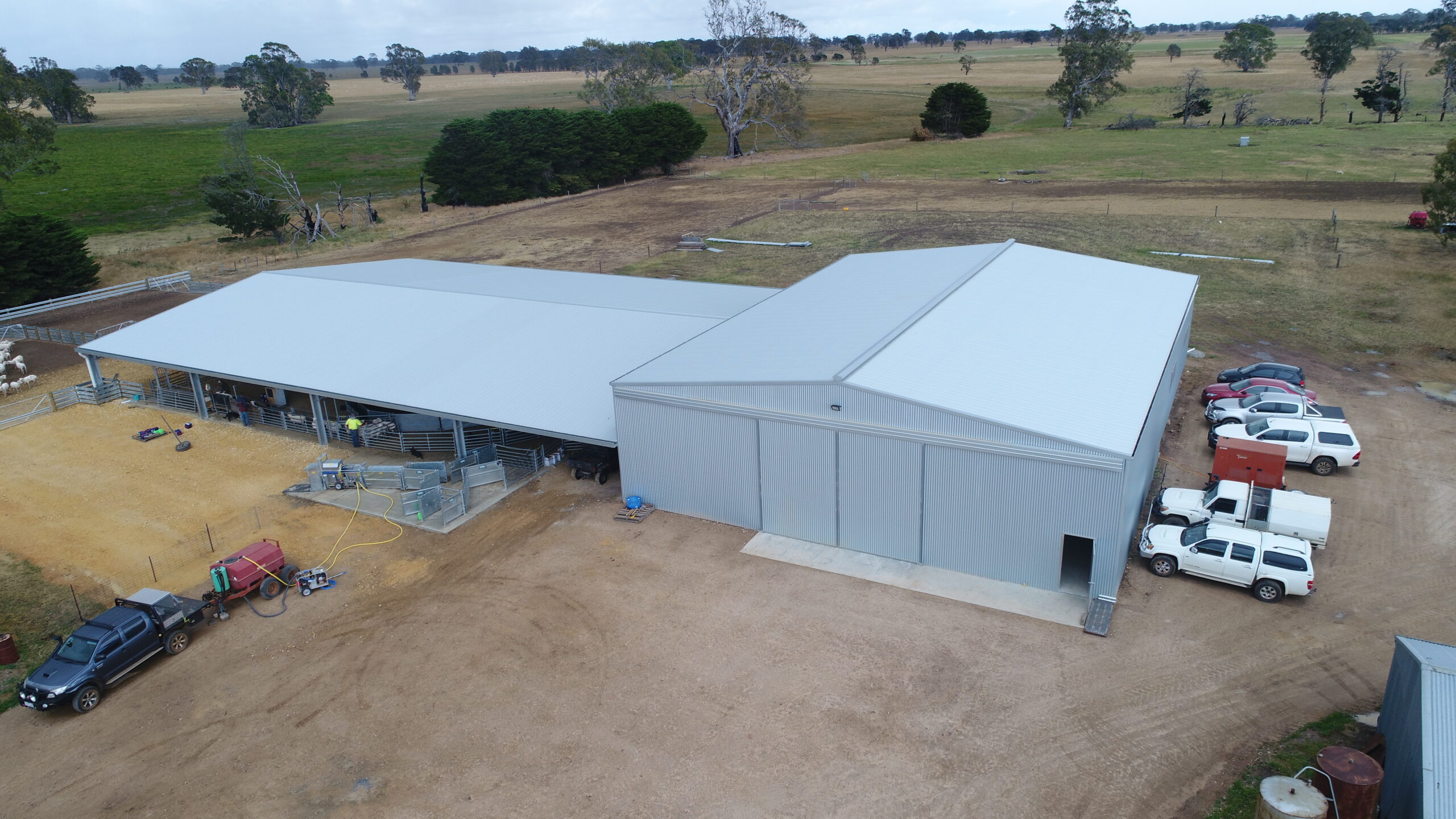
The Bell Group at Millicent, in South Australia’s South East, is a great example of planning the whole system. Tom Bell, who runs a cropping and prime lamb enterprise across South Australia and New South Wales, was introduced to Action Steel through ProWay when building a new set of sheep yards. When it came time to build a new shearing shed, the two businesses worked together to deliver an Action Steel shed with a ProWay fit-out.

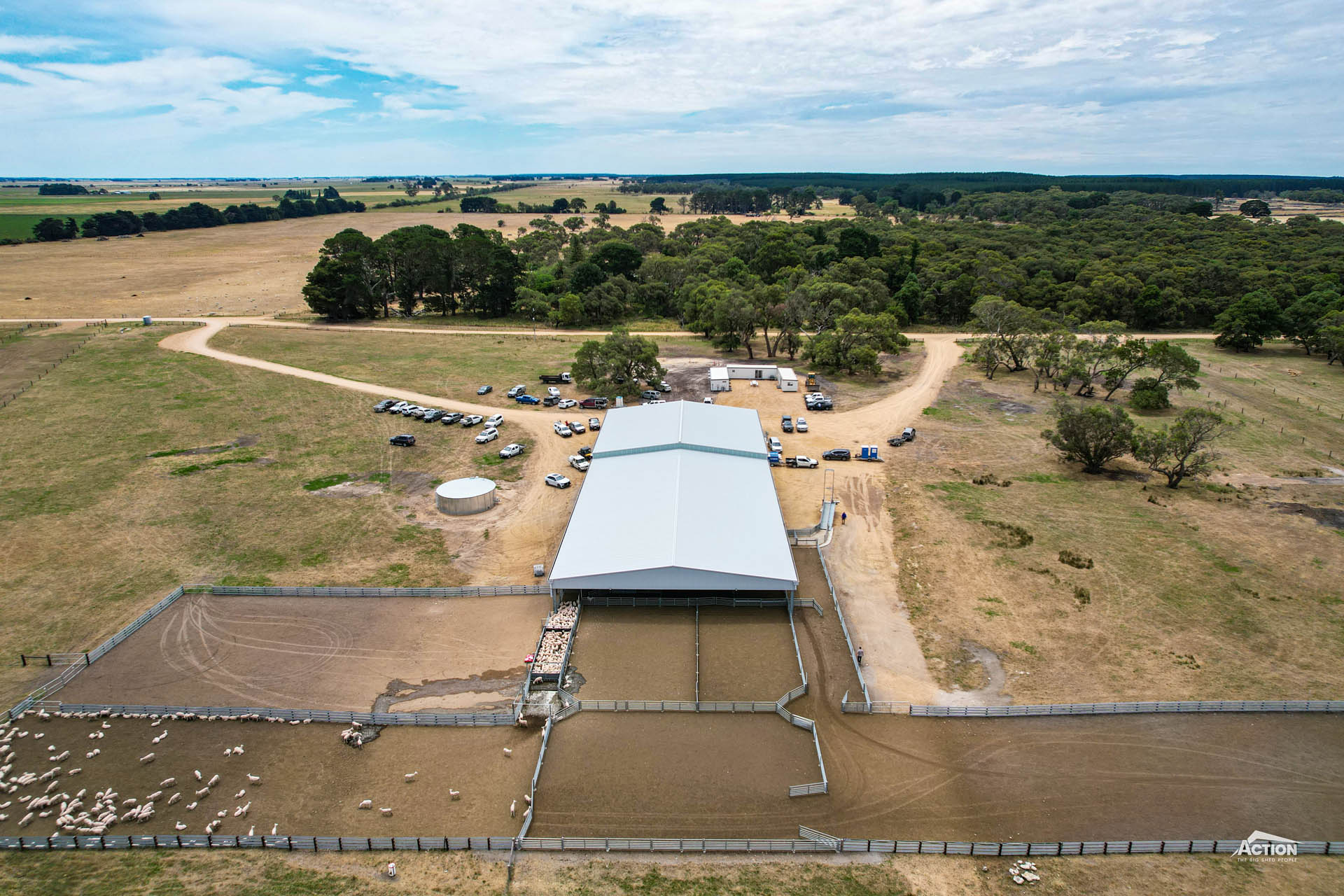
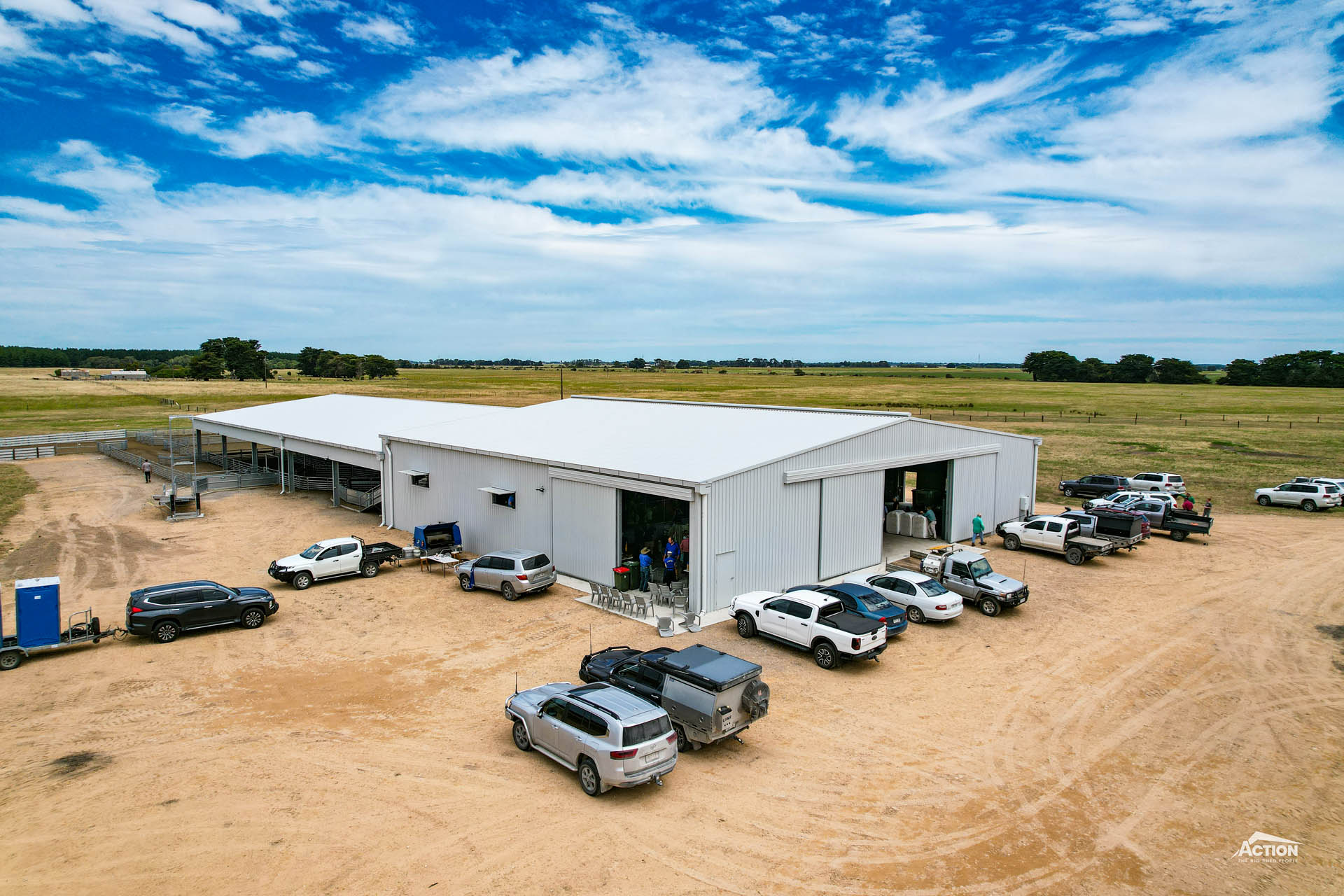
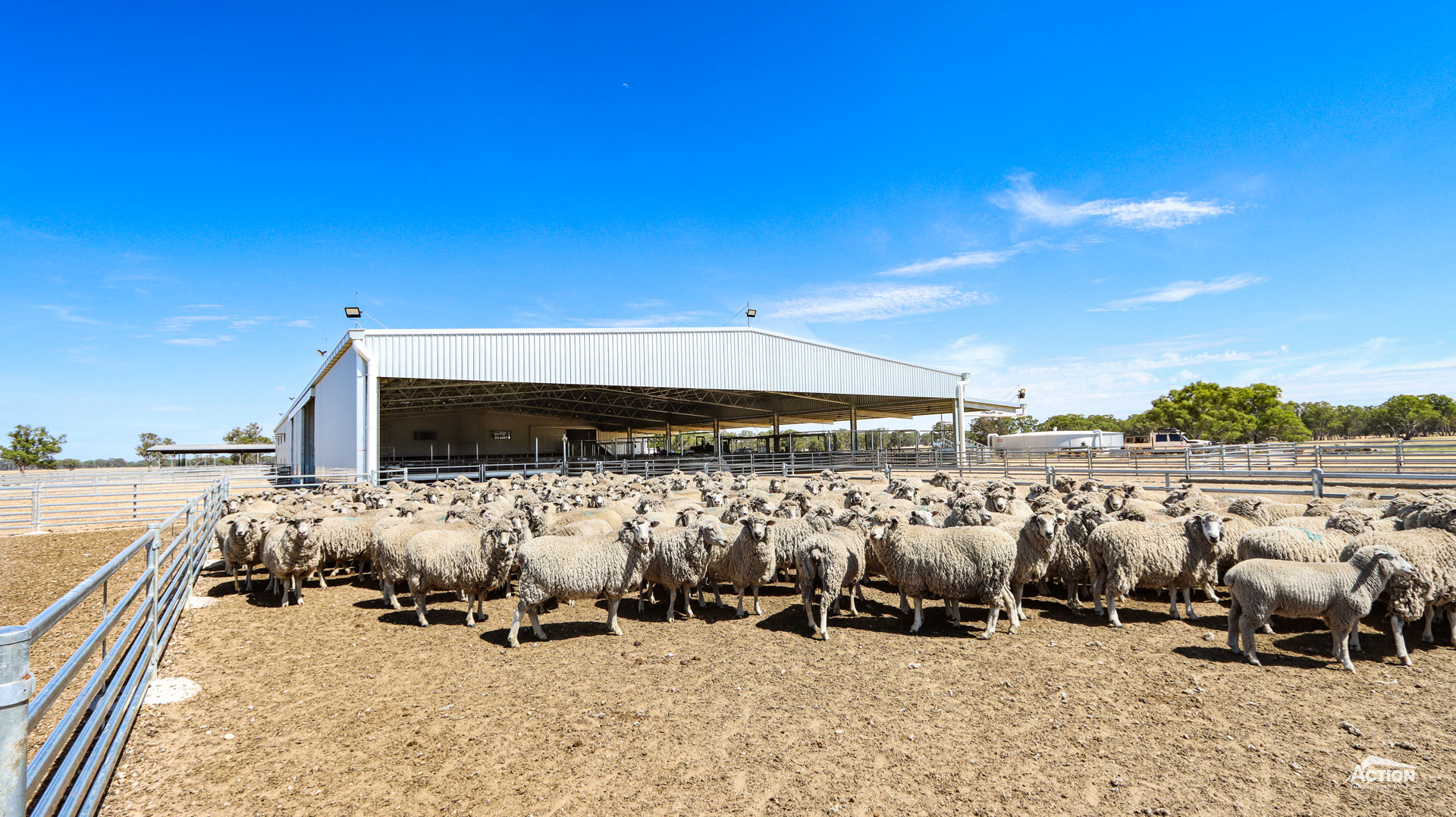
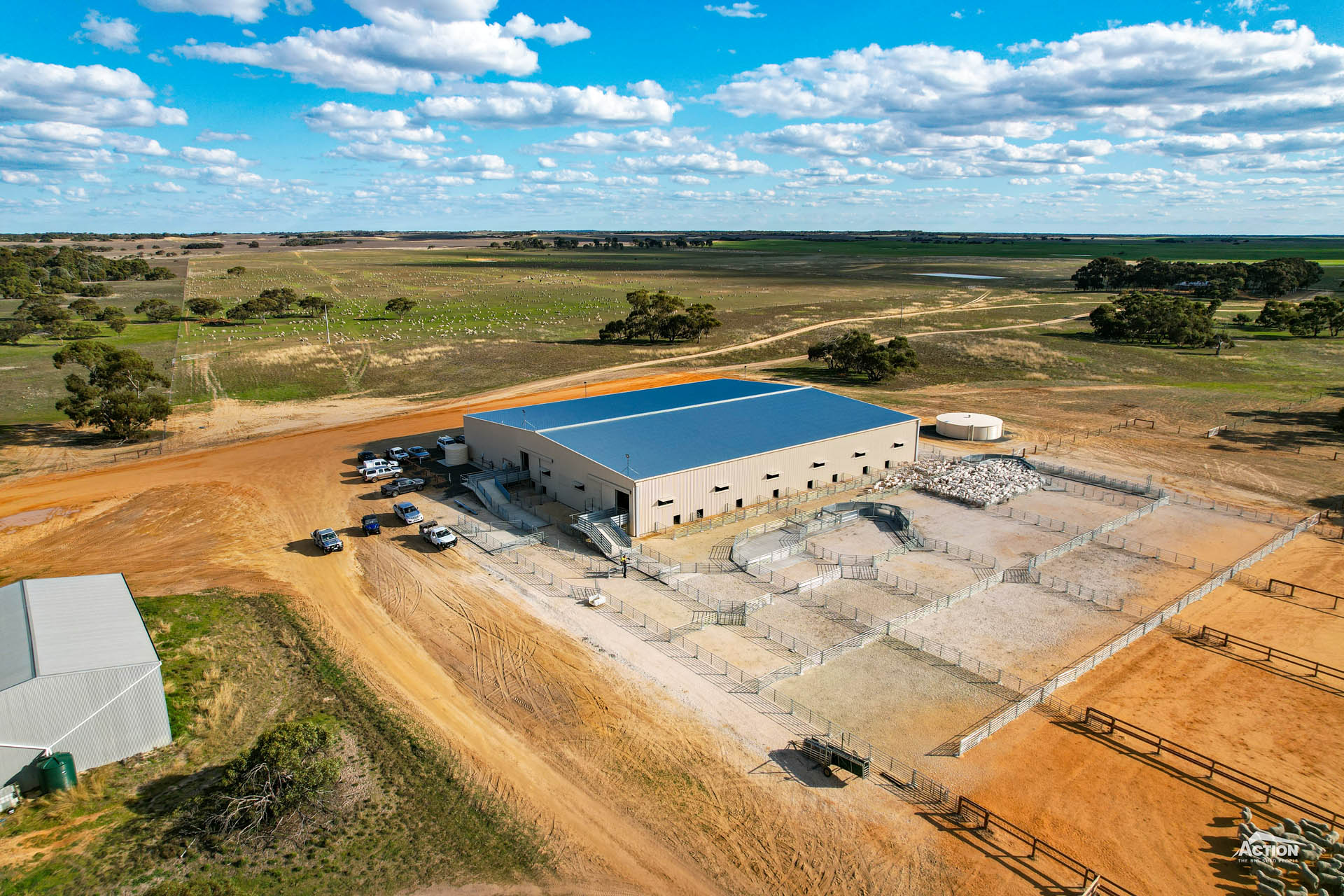
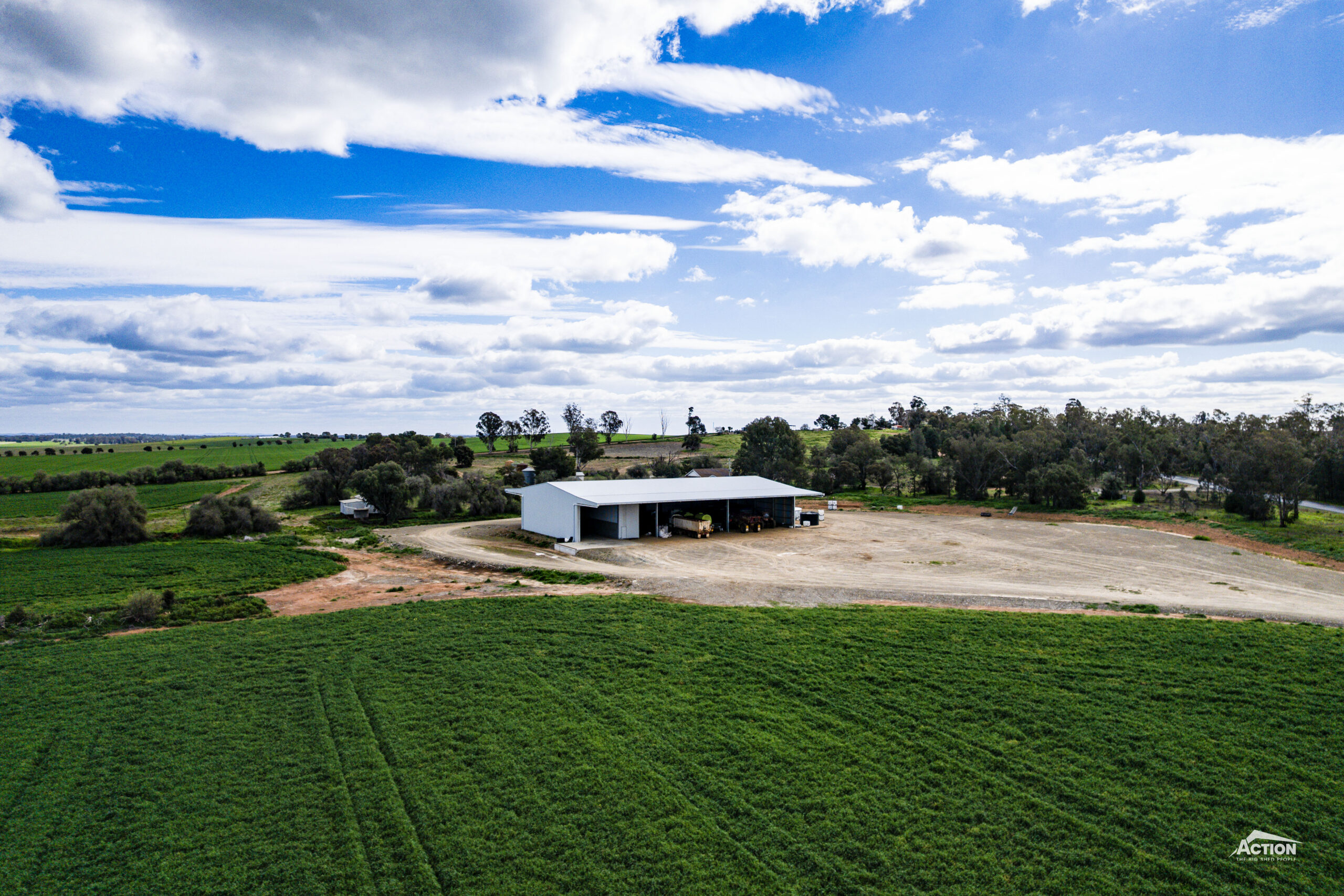
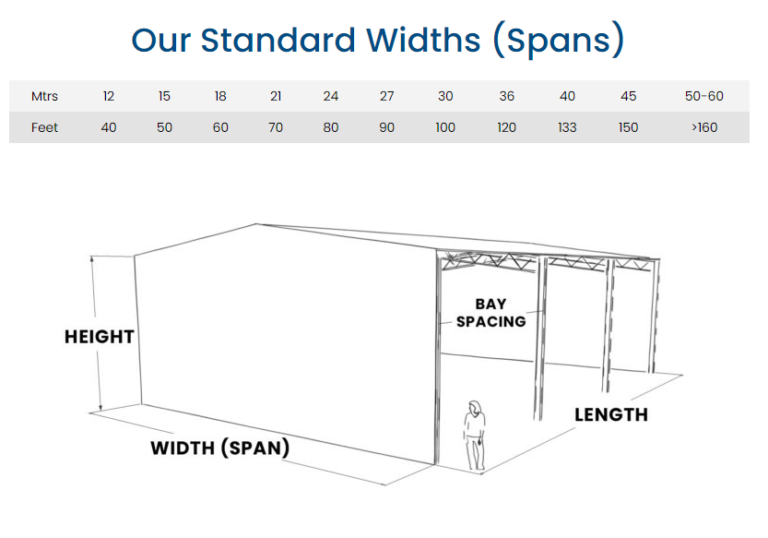
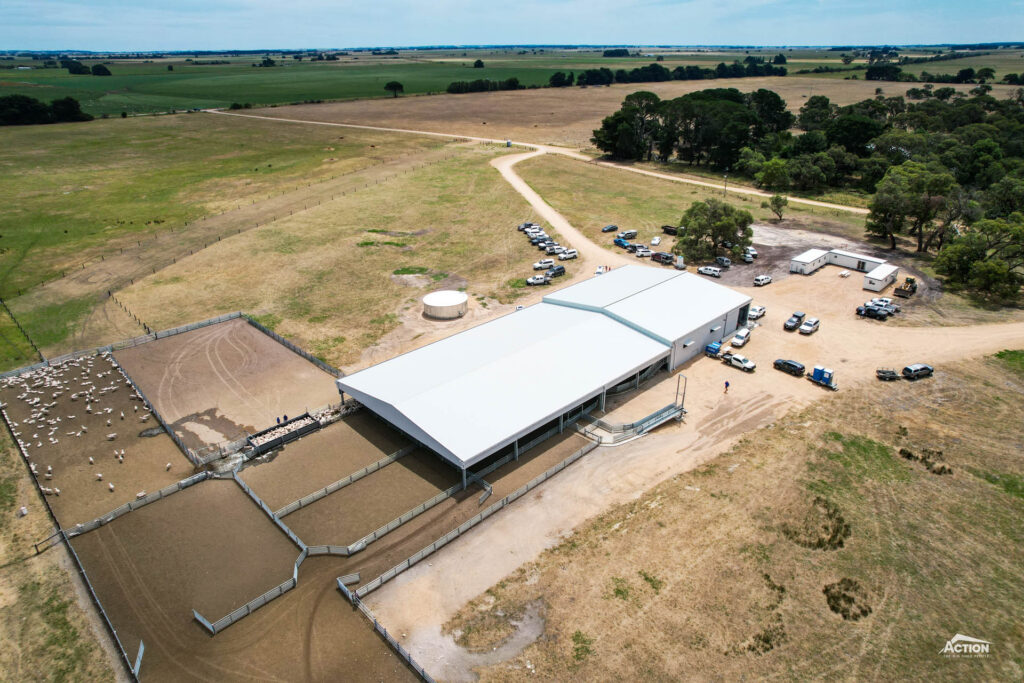
The result is a seven-stand Action Steel shearing shed measuring up to: 68m x 27m x 5.2m.
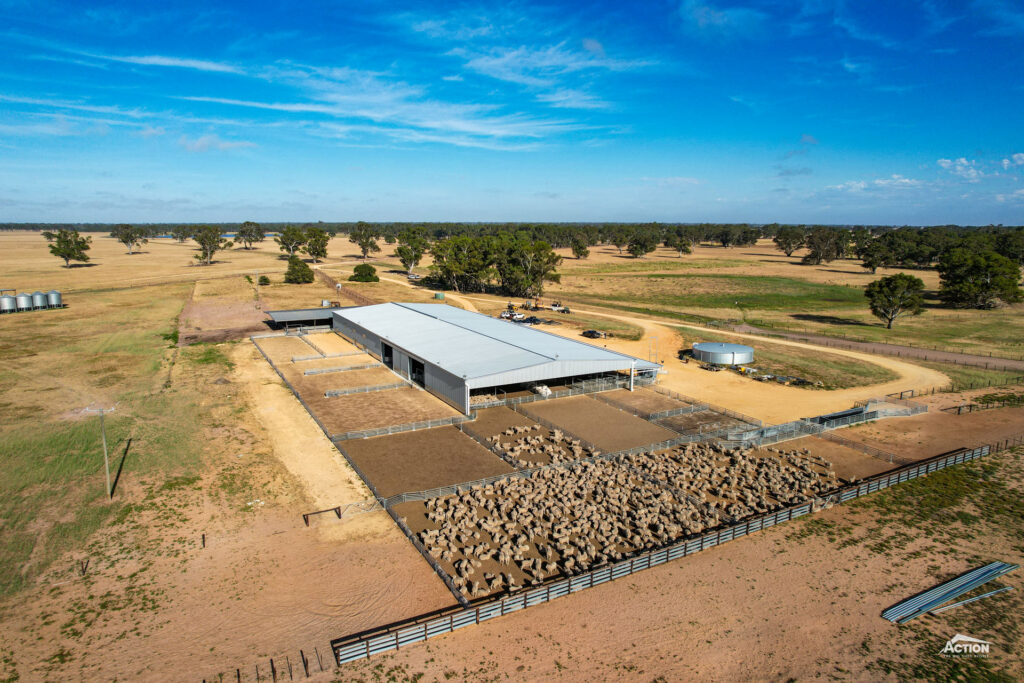
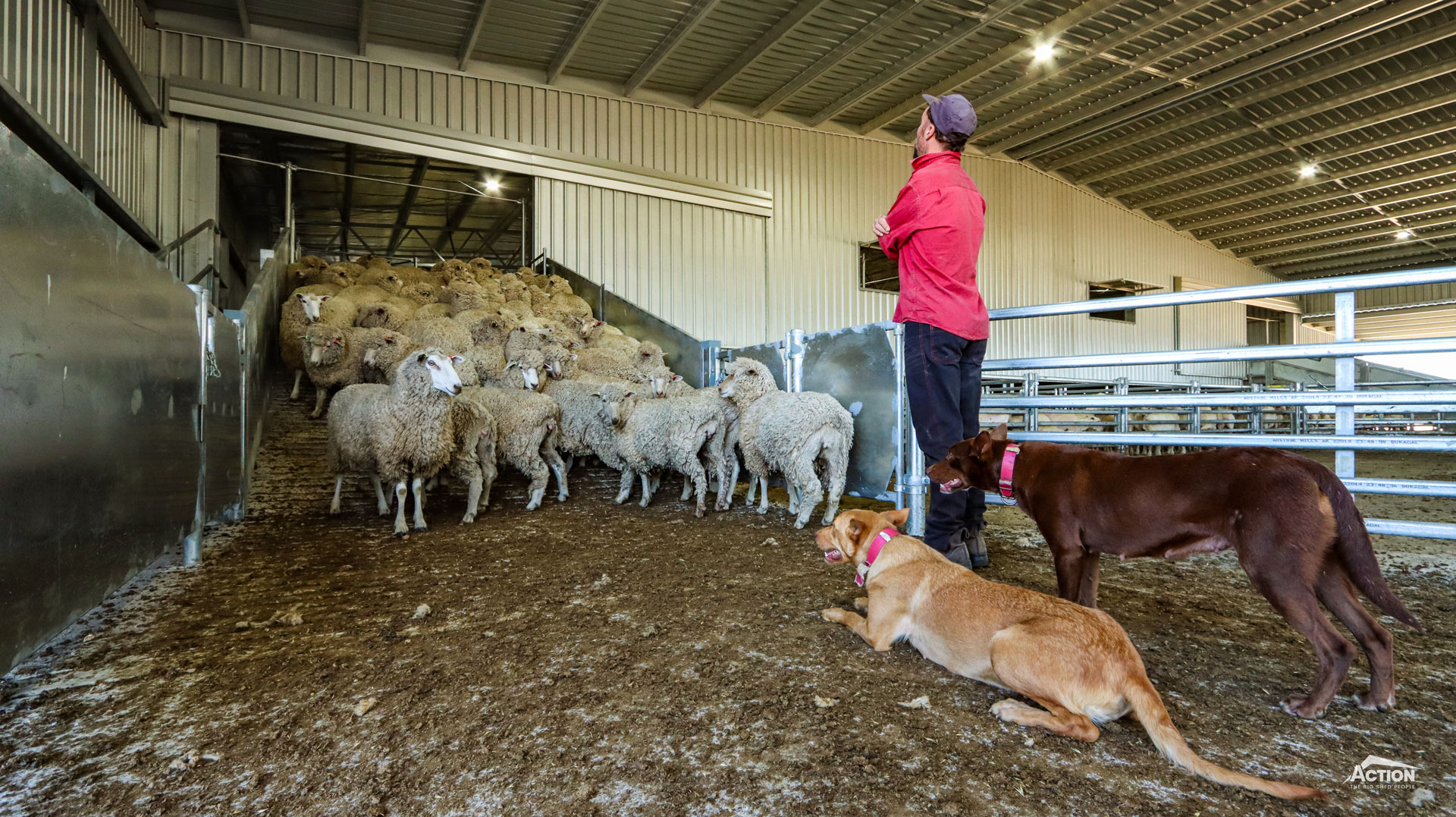
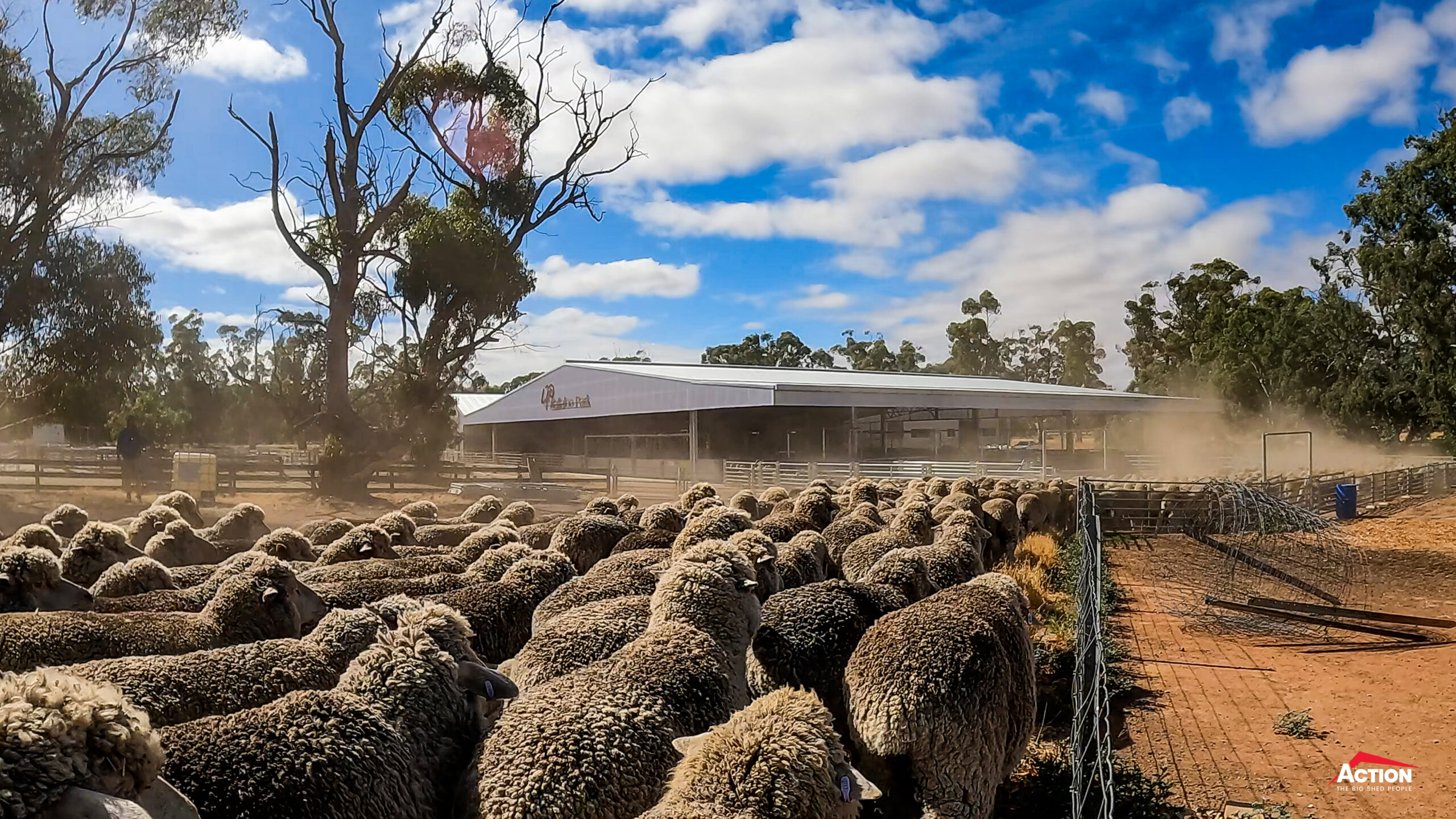
A covered yard and a set of ProWay working yards sit under the same roofline. Sheep come in from the paddock through open yards and laneways, into the covered pens and up into the shed without doubling back. The covered area holds about 1,400 sheep and the shed pens another 500, which is enough for a full day’s shearing. The yards include a three-way draft and a bulk handler, so crutching, drenching and other sheep work can all be done right beside the shed. That keeps the setup working all year, not just at shearing.

Tom has since built multiple Action Steel sheds for different purposes across his operation. Looking back on the shearing shed, he says having ProWay and Action working together made a difference.

“There's a bit of affiliation there, and they've got a good dialogue between both companies, which helps. They have that connection with the agricultural industry, which we feel is important. They get what we're trying to achieve.”
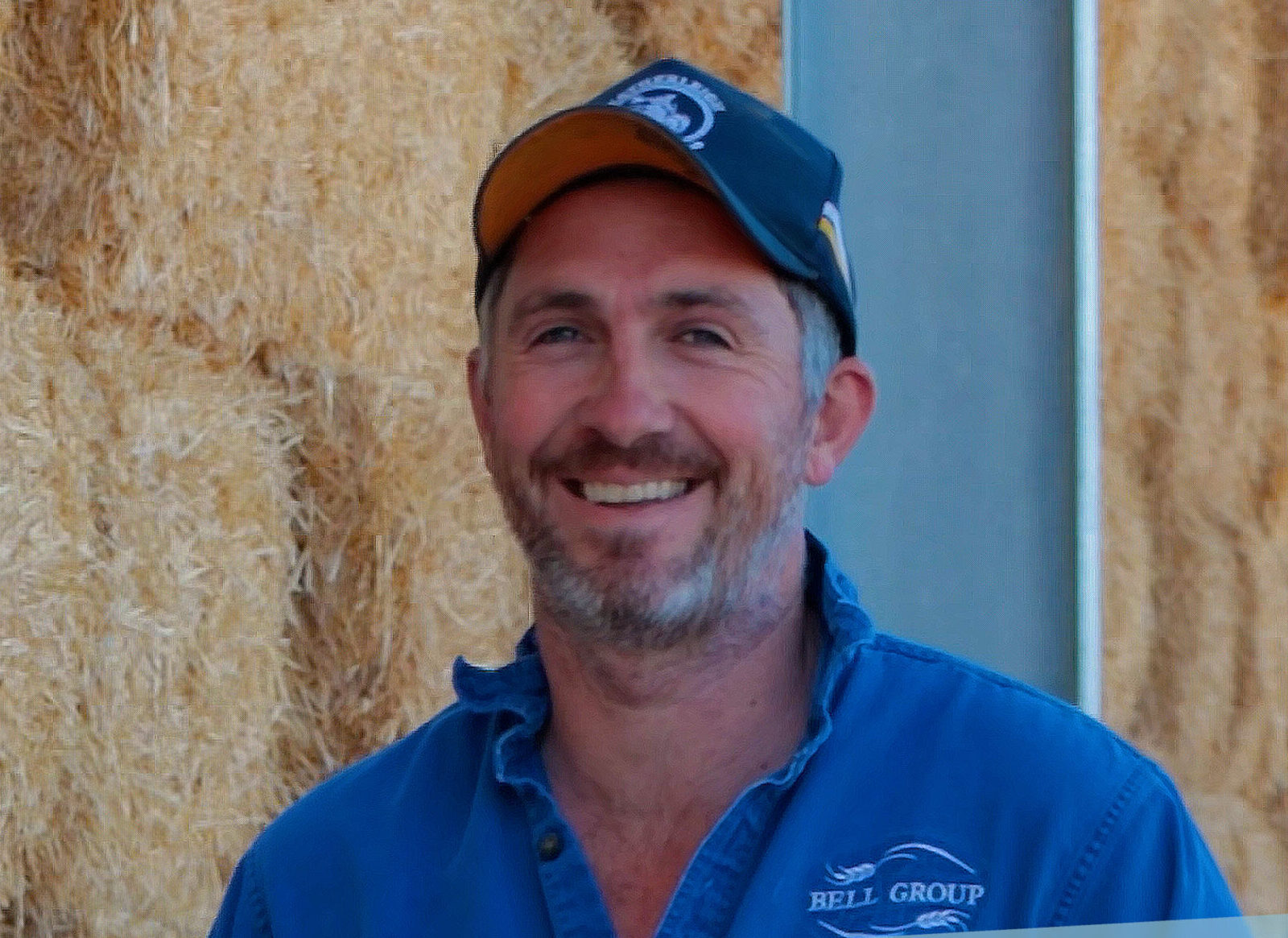
Tom Bell
Tom Bell
Bell Group
1. A board that keeps the drag short and the let-go simple

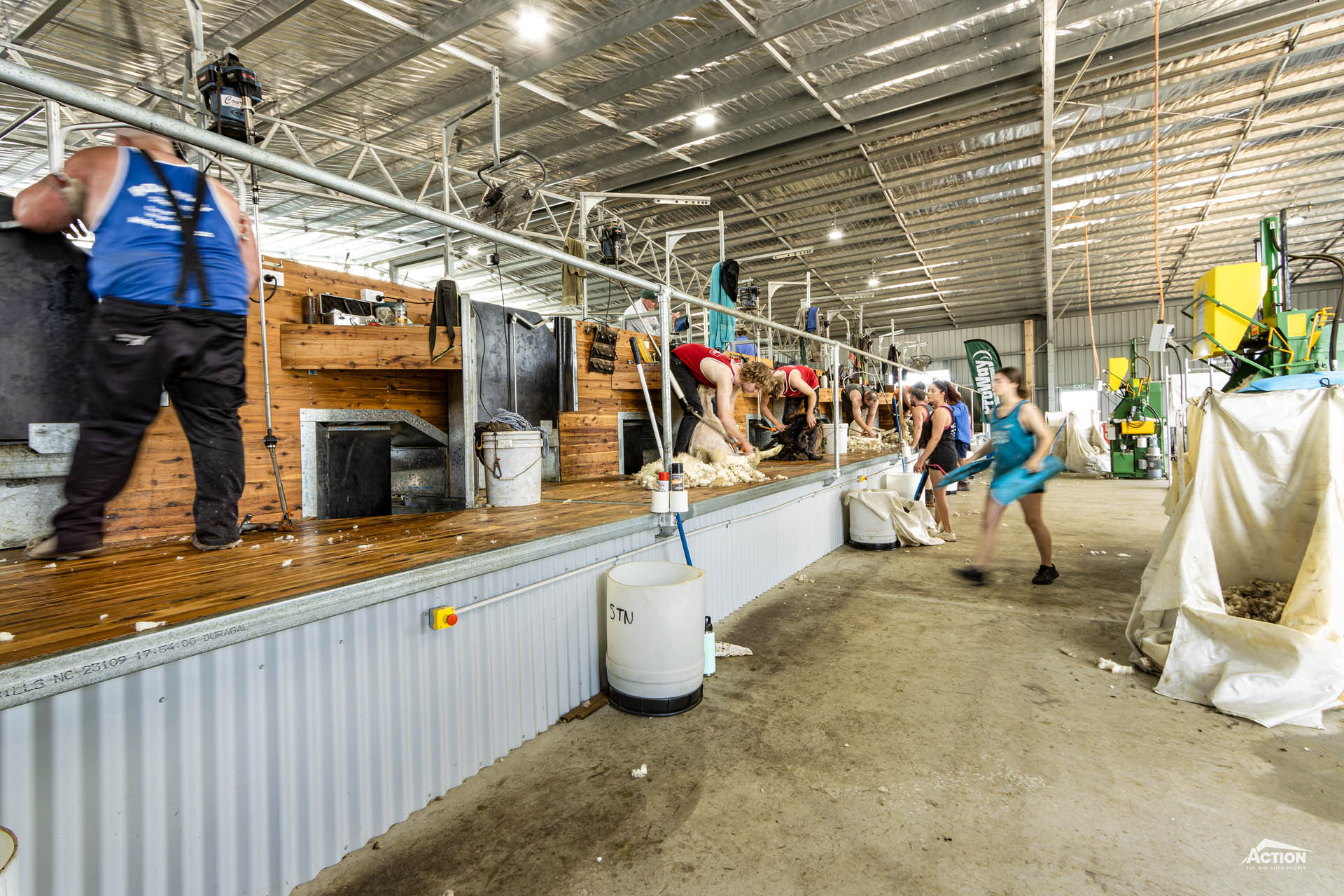
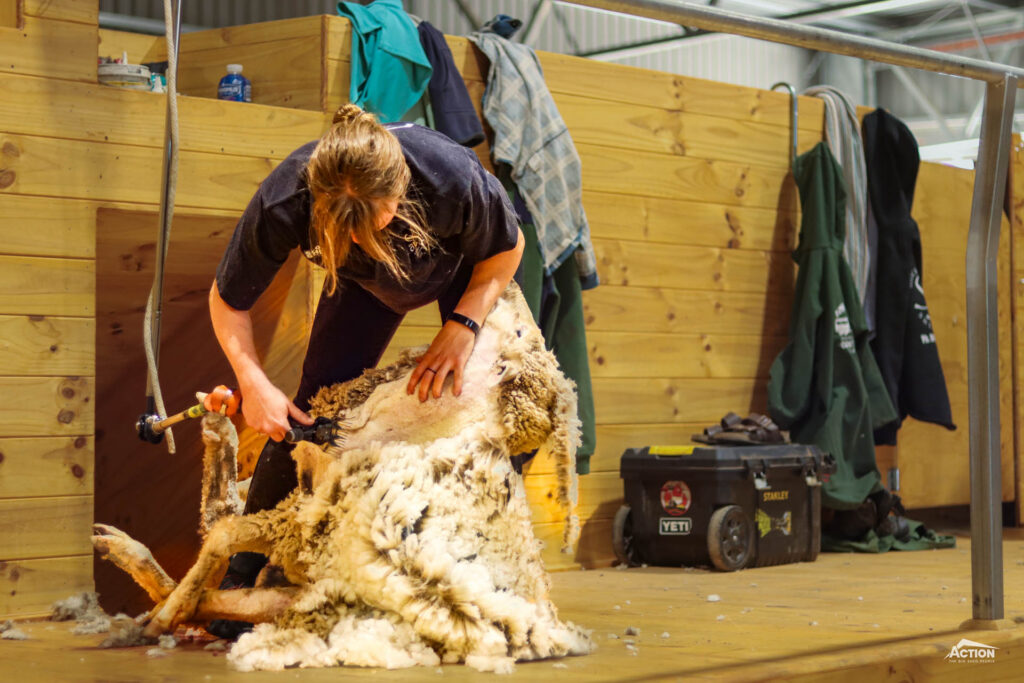
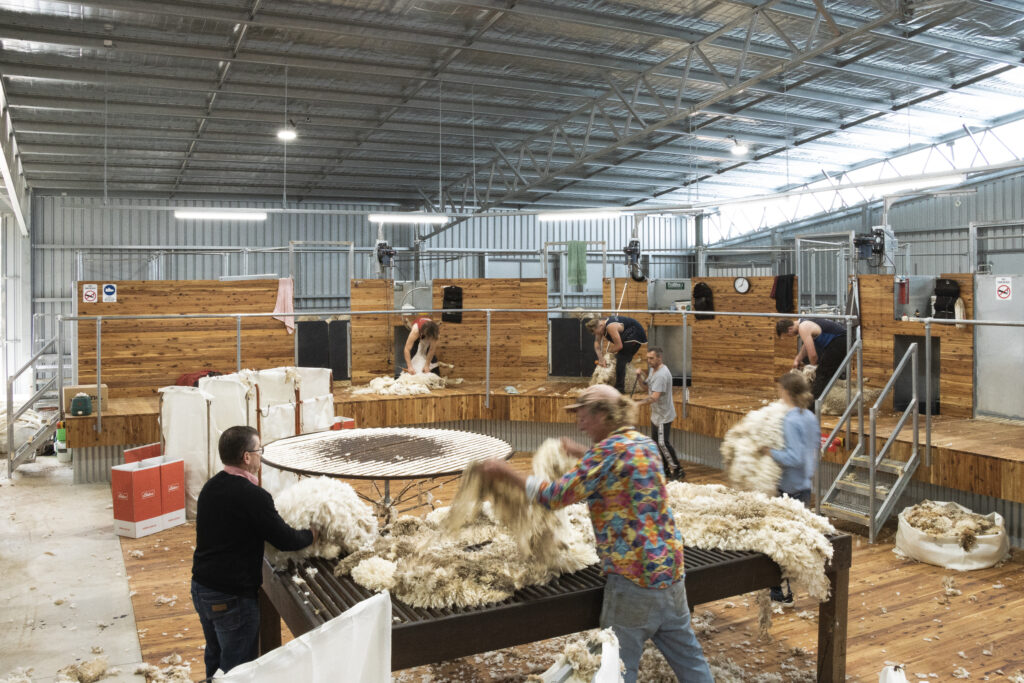
The board is where a shed earns its reputation with a shearing team. With the catching pen and the let-out chute both within a step or two of the stand, every sheep takes less effort from the catch to the let-go. Across a full run, that adds up for the shearer’s back and the day’s tally.

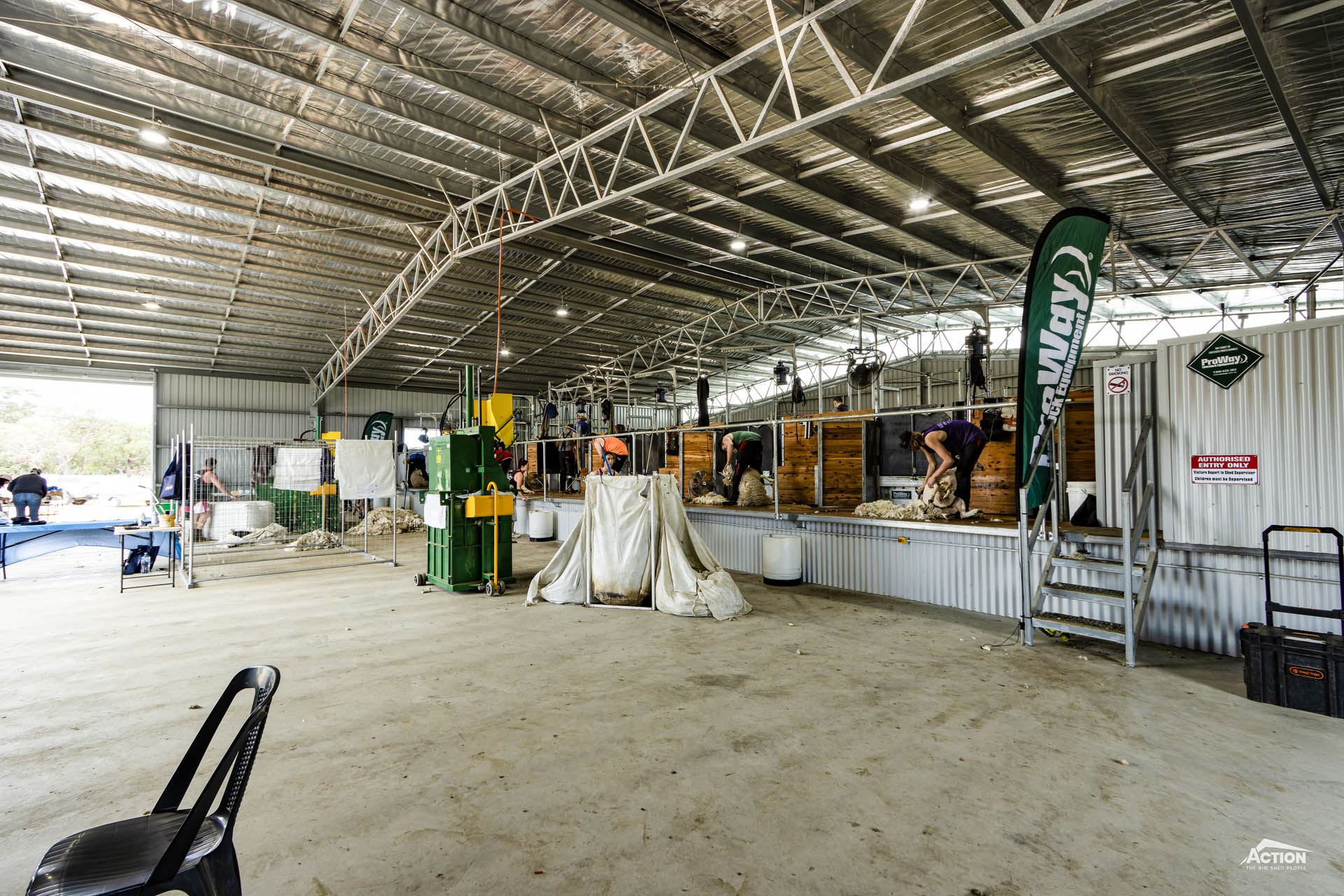
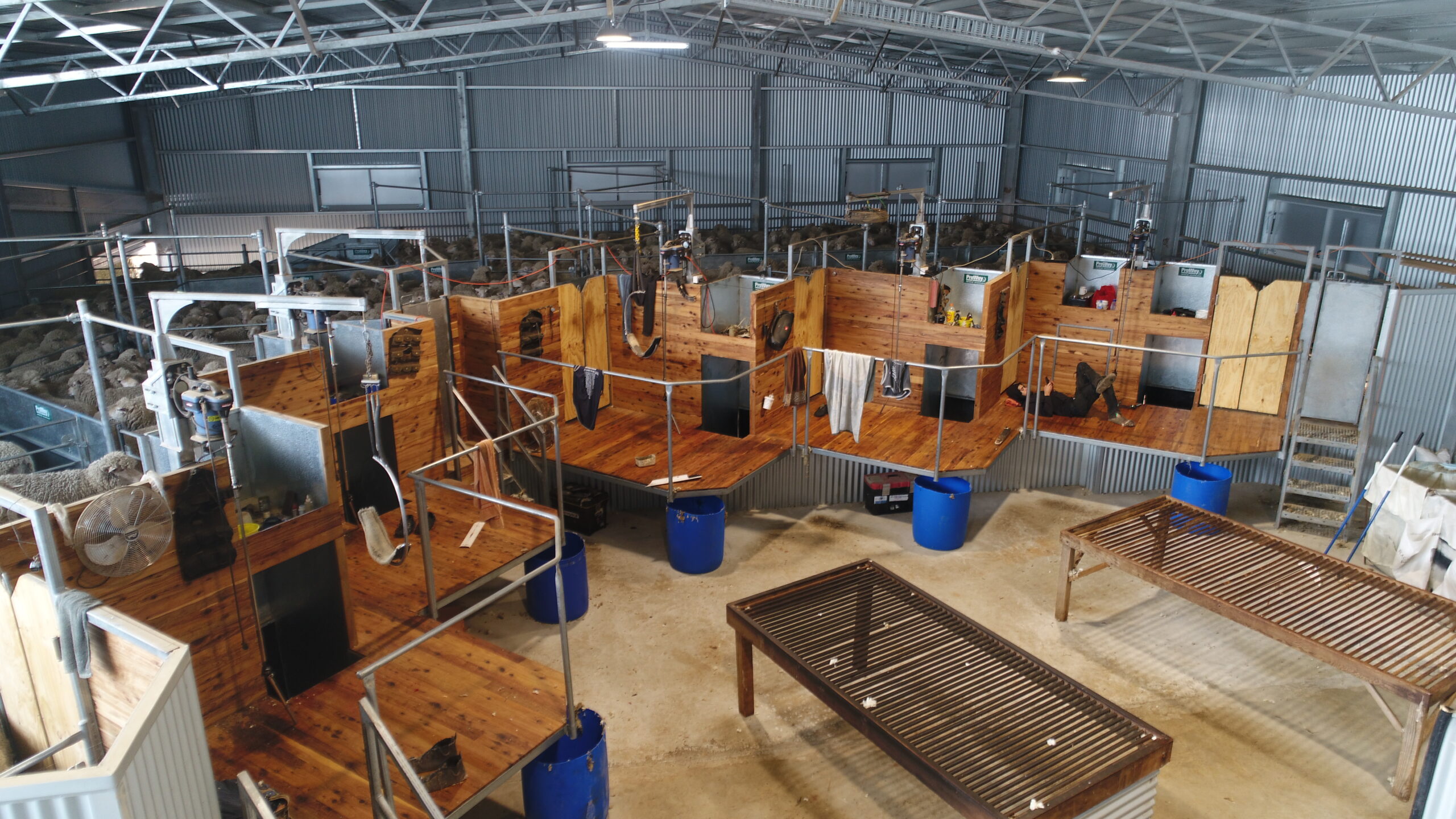
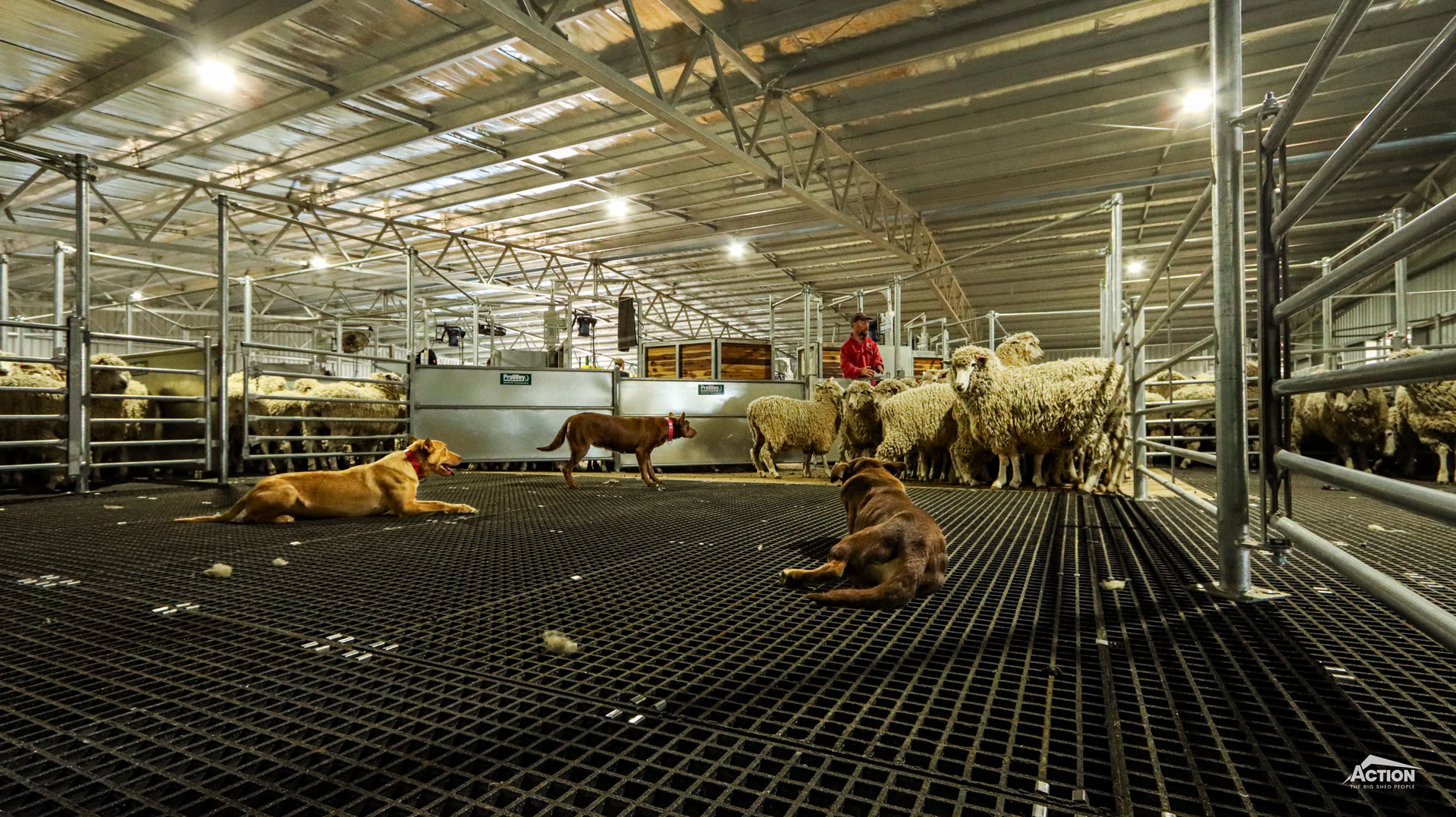
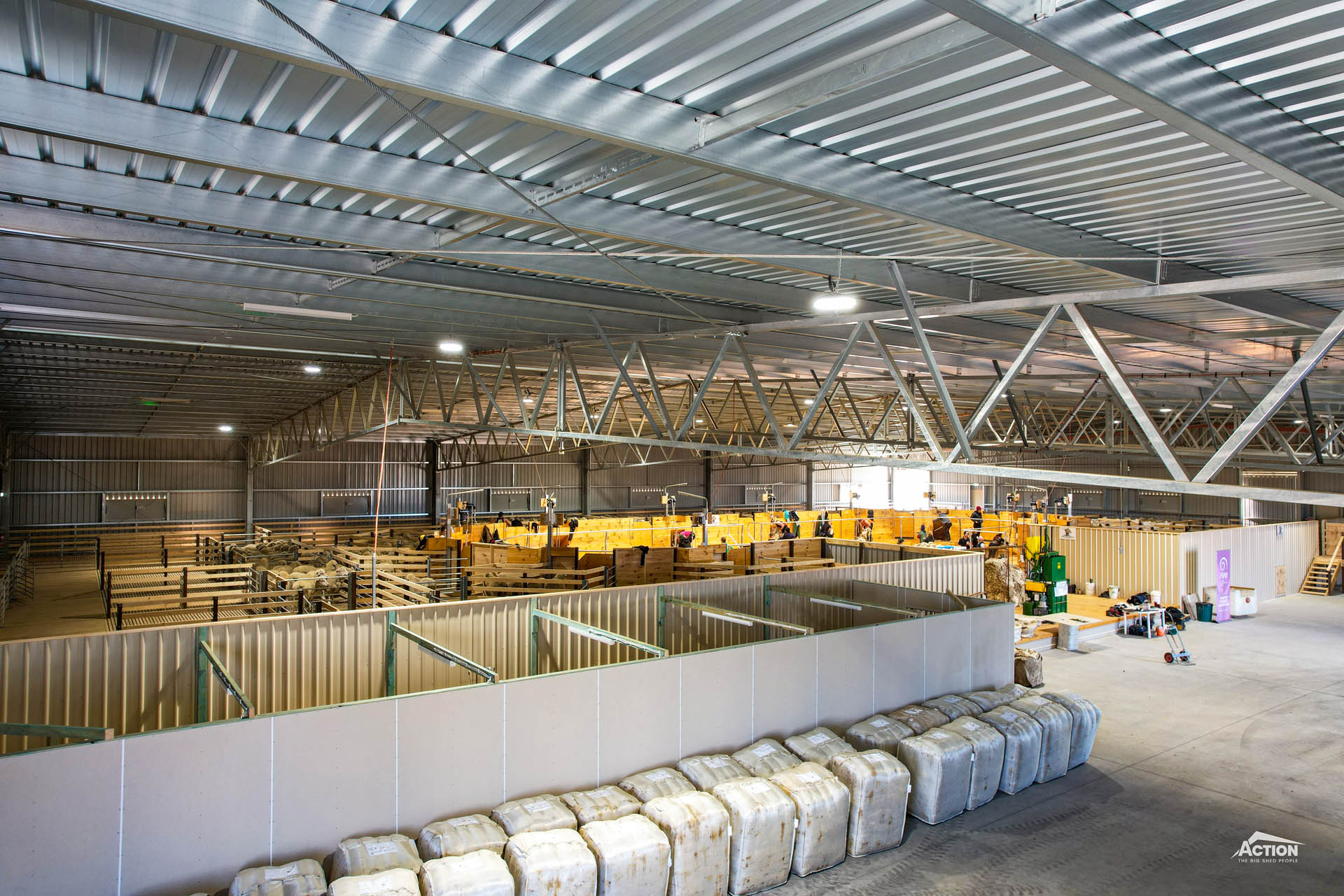
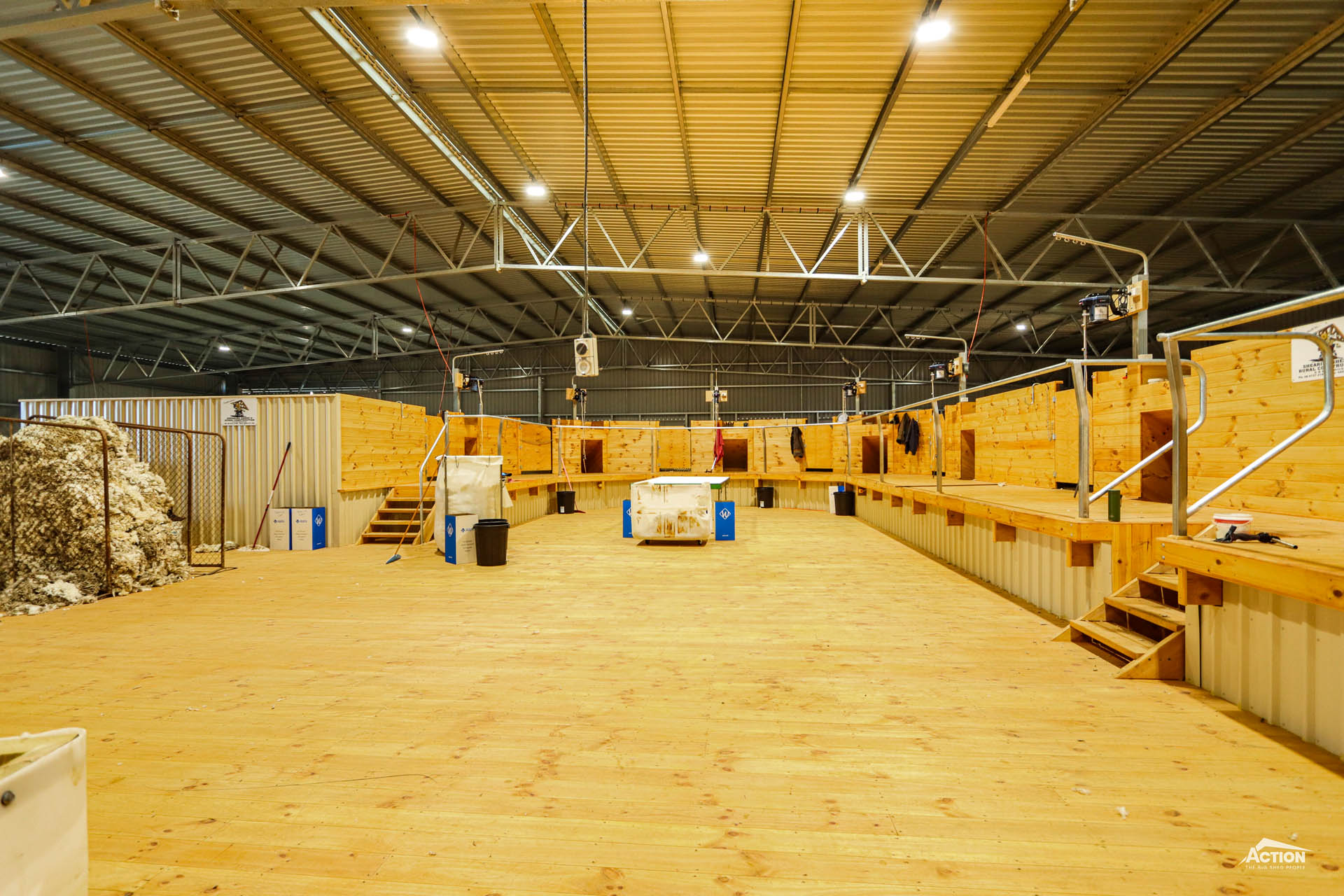
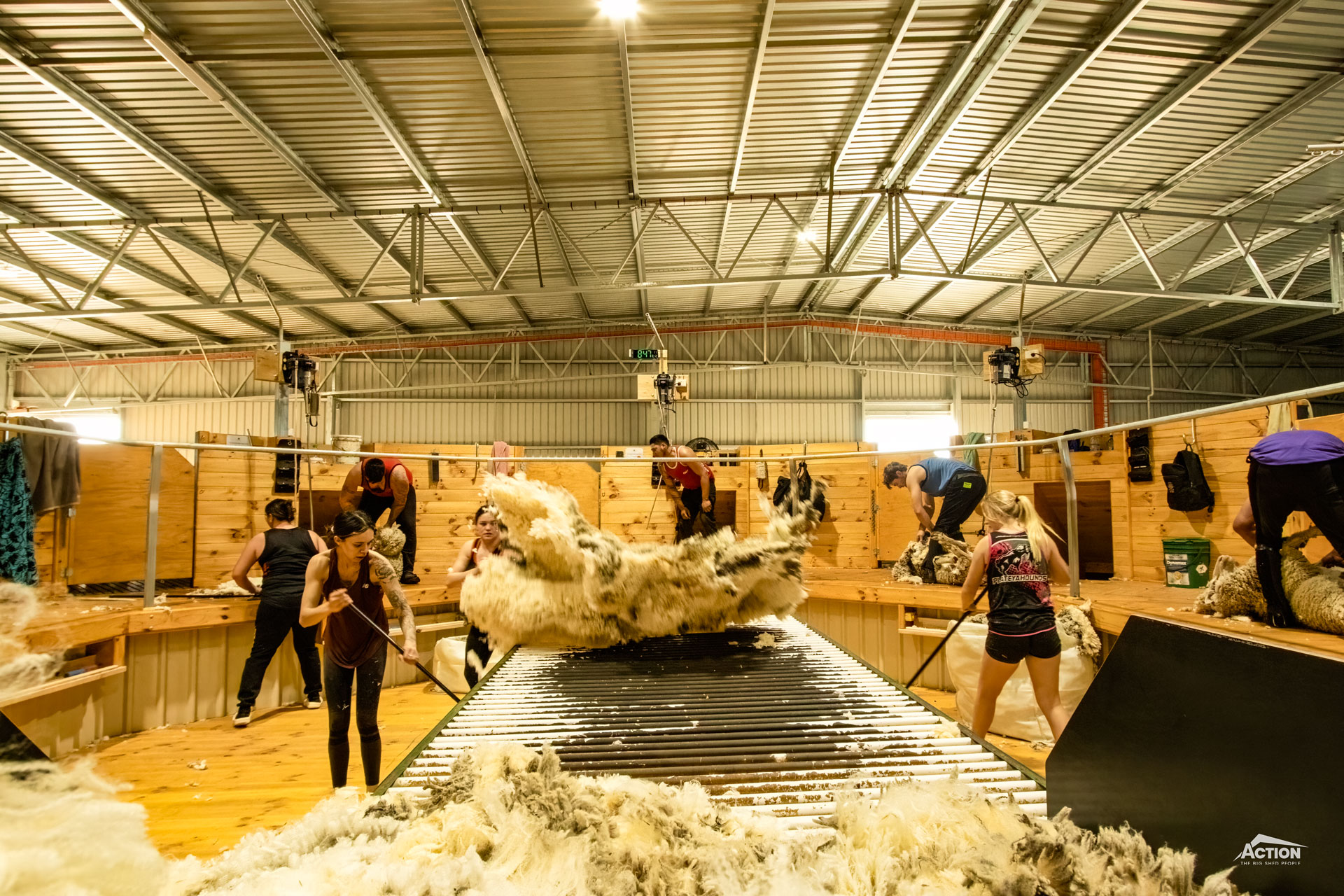
A handrail runs the length of the board, with steel stairs at each end for safe access. Every stand has its own overhead gear and fan, and LED lighting runs across the board. Behind the stands, grated holding pens keep the catching pens topped up through the run. Along the side, a yard cover and yards feed sheep straight into the shed.

Shearing shed internal shot

A handrail runs the length of the board, with steel stairs at each end for safe access. Every stand has its own overhead gear and fan, and LED lighting runs across the board. Behind the stands, grated holding pens keep the catching pens topped up through the run. Out the front, a yard cover and yards feed sheep straight into the shed.

Whether the board is raised or flat is still very much personal preference. Raised boards were the popular choice in new sheds for a long time, and more recently flat boards have come back into favour. AWI’s Shearing Shed Design Considerations Guide also says it comes down to personal choice. The raised sawtooth board here and the flat sawtooth board in our Apsley project below show both can work well. It’s worth talking it through with your shearing contractor before you decide.

2. Room to hold a full day’s shearing under cover

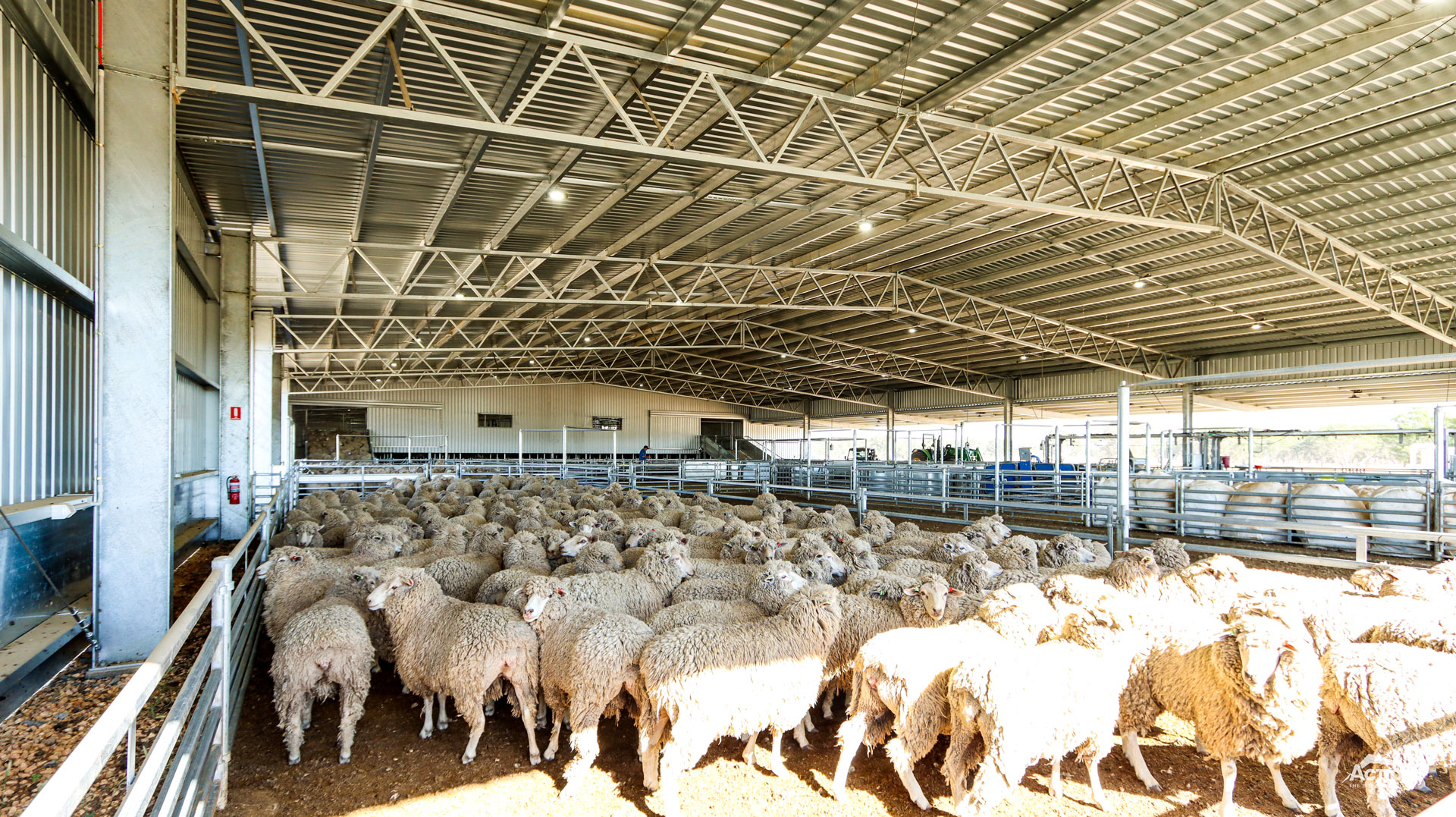
Good shearing shed design allows for one to one and a half days of shearing under cover. That’s across the catching pens, the pens on the grating and the covered yards.

A nine-stand shearing shed complex we built near Apsley in western Victoria shows how well this works. It measures 30m x 80m overall, with a 30m x 48m clear-span yard cover joined to a 30m x 32m shearing shed. That means the yard cover is bigger than the shearing shed itself. The mob can be held in the dry right at the shed door. From the covered yards, a sheeted ramp leads straight up into the grated holding pens inside the shed. Sheep are protected from the weather all the way from the yard to the board.

The expansive area under the cover leaves plenty of room for dogs and handlers to work. The space is just as useful for crutching and other stock work through the year. Inside, the stands sit on a flat sawtooth board around a big open timber wool room. Skirting tables and presses sit close at hand, so the walk from stand to table to press stays short.

3. A wool room set up for a better prepared clip

A well laid-out wool room makes it easier for the team to turn out a well-prepared clip. AWI’s shed design work aims for short distances from the stand to the wool table, and from the table to the press. It also calls for well-lit wool handling and classing areas, with room for tables, bins and presses without crowding the team. Get those basics right and the shed hands and classer can focus on the wool, not on working around each other.

Wool room

The 12-stand shed at Telopea Downs, on the Victorian and South Australian border, is a standout example. Its curved raised board wraps around a large open wool room, so every stand faces into the centre. Shed hands work at floor level below the board, picking up and skirting fleeces without bending. Stairs at each end and a handrail along the board keep everyone safe.

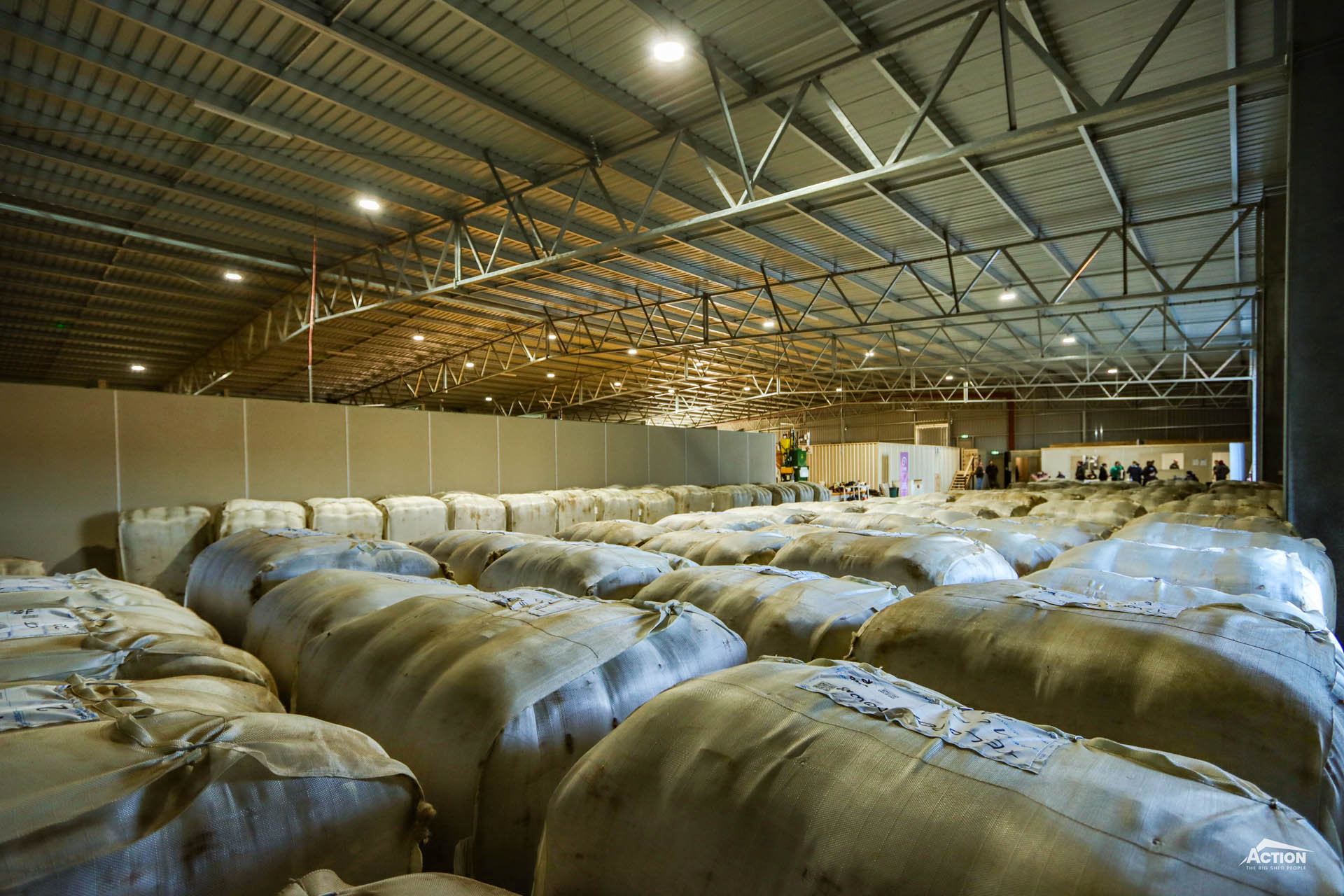
A long roller table carries fleeces toward the wool room, and portable bins let the crew set the floor up to suit the day. The clear-span shed is 48m long by 40m wide, which leaves plenty of room to press and store bales under cover. Stock Journal reported that about 2,500 head can be penned under cover. The owners have said the shed reflects their commitment to having the best facilities to attract and keep shearers.

You can see more of this build in our 12-stand shearing shed at Telopea Downs feature.

The finishing touches in modern shearing shed design

Beyond the board, the yards and the wool room, a few smaller details make a shed a better place to work. Good lighting is important for shearing and critical for classing. Large opening windows and shutters keep air moving on hot days. Bright LED lighting over the board and wool table helps the whole team see what they’re doing.

Amenities matter too. A clean kitchen, toilets and a shower show the shearing team they’re valued. That counts when good contractors can choose where they work. AWI’s shearing shed design resources are a useful checklist when you’re planning.

shearing

Planning your next shearing shed

The best sheds come from bringing your shearing contractor, fit-out partner and shed builder to the table early. The board layout, holding pens and wool room decide how wide, long and high the shed needs to be. Settling the fit-out first saves changes later.

These articles and guides are a good place to start:

Share this article!

Like this article?

Here’s a few more that might interest you.